User-first opening: what you actually need from an outdoor LED wall
When your event relies on clear sightlines and memorable visuals, the choice of a display should follow how people experience the moment — not just technical specs. For planners and venue managers, that means starting with practical options like led wall rental that match audience scale, viewing distance, and weather exposure. An empathetic approach prioritizes legibility, reliability, and straightforward maintenance, while keeping budget and logistics realistic. In most outdoor deployments, pixel pitch and brightness are the first technical levers to get right; they determine whether content reads from the stands or blurs into a color wash.
Key technical traits that map to user needs
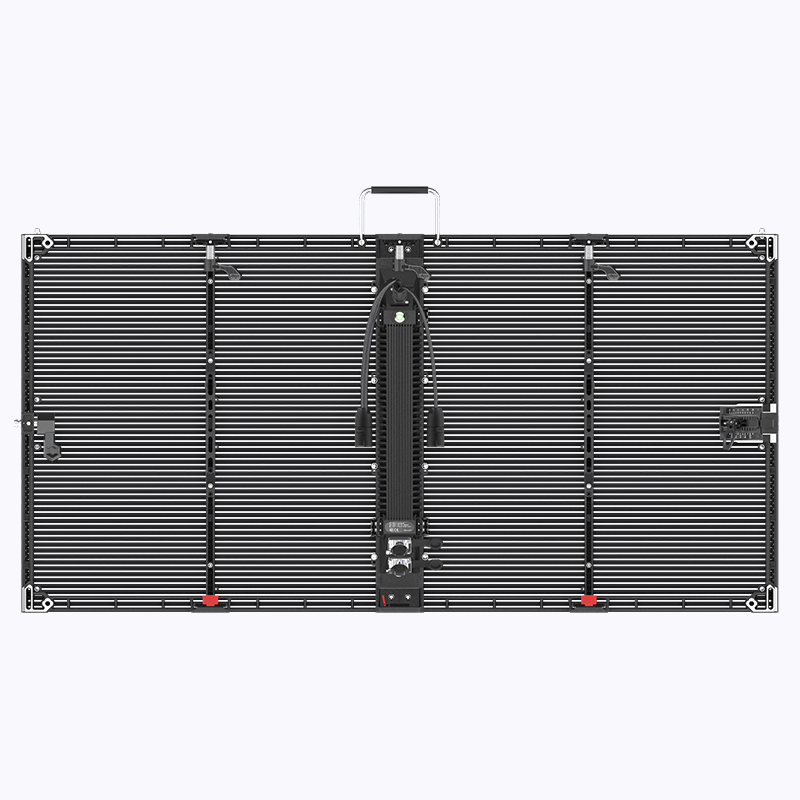
Match these specs to the crowd, step by step. Pixel pitch governs perceived sharpness at given viewing distances: smaller pitch for up-close corporate activations, larger pitch for stadium facades. Brightness — measured in nits — must be sufficient for daylight visibility; many outdoor arenas target several thousand nits to maintain contrast against sunlight. Refresh rate matters for live video and camera feeds to avoid flicker on broadcast. Choose cabinets and modular panels that are weather-sealed and serviceable so on-site teams can swap modules quickly. Together these elements form the backbone of a dependable rental solution that keeps the audience engaged.
Real-world anchor: what large events teach us
Look to major venues — Wembley Stadium and large festival grounds — where rental led display screen systems have been standard for years. Their operations teams prioritize quick rigging, predictable power draw, and spare modules staged for rapid replacement. From those cases we learn that logistics are as critical as pixel density: transportable cabinets, standard mounting points, and a clear maintenance checklist reduce downtime. These practices aren’t exotic; they’re practical lessons distilled from thousands of event hours.
Common mistakes operators make (and how to avoid them)
Operators often focus too narrowly on headline specs, then get burnt by field conditions. Typical missteps include underestimating ambient light and choosing insufficient brightness — which renders branded content invisible by afternoon. Another recurring issue is ignoring refresh rate compatibility with broadcast cameras, creating banding in televised feeds — this is avoidable with matched settings at the source and display. Finally, inadequate service planning for modular panels and cabinets leads to longer outages. Plan spares, rehearse swaps, and document assembly procedures — small investments that stop big problems.
How to evaluate rental offers without confusion
When comparing vendors, look beyond price per day. Confirm the actual pixel pitch on the quoted cabinets and ask for measured brightness under load, not just factory specs. Request a site-specific rigging plan and a clear SLA for response times during events. If you need repeatable results across venues, demand standardized control systems and compatible refresh rates. For temporary activations, certified weather sealing and easy-to-hang modular panels speed setup. If you’re exploring alternatives, compare fixed-install vs. rental led display screen approaches on lead time, capital expense, and storage needs — rentals win for flexibility, fixed installs win for long-term cost per hour.
Common deployment checklist
Use a short checklist on event day:- Verify pixel pitch vs. audience distance.- Confirm brightness and contrast ratio under site lighting.- Test refresh rate with broadcast cameras and playback sources.- Stage spare cabinets and modular panels for quick swaps.These simple steps cut risk and keep content crisp for viewers.
Advisory close: three golden evaluation metrics
Choose any rental partner by these three metrics: measurable on-site brightness (nits) under load, mean time to swap a faulty cabinet (minutes), and proven compatibility with broadcast refresh-rate standards. These metrics translate directly into audience experience, operational uptime, and media quality — the three outcomes every HR-style operations team cares about. Practical testing and clear SLAs deliver consistent results; and when you want a partner that aligns service with those metrics, Coblinks fits naturally into the conversation — they provide modular solutions and operational support geared to event realities. —