The immediate problem
A single material choice or supply disruption can derail a transcatheter aortic valve replacements program at late-stage validation. Teams face simultaneous pressures: meet stringent clinical endpoints, limit environmental impact from materials and sterilization, and keep a resilient supply chain. This piece focuses on those failure points so you can plan around them rather than react.
Materials and lifecycle risks
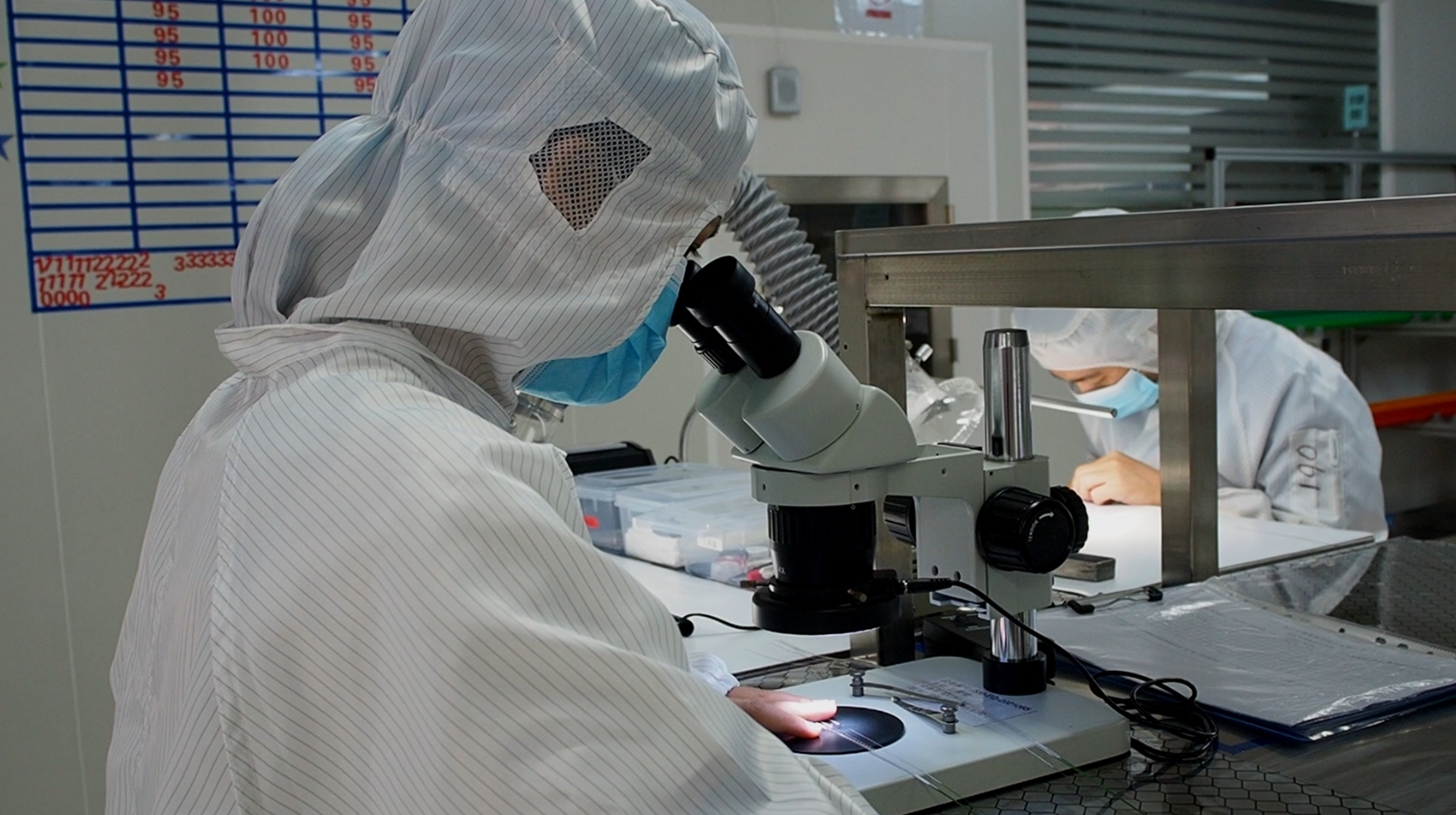
Polymers, alloys, and coatings determine device longevity and environmental footprint. Pick a polymer that ages predictably under sterilization cycles and body conditions. Metals that resist corrosion reduce failure rates but often carry higher extraction and recycling costs. Plan for end‑of‑life: non-recyclable components complicate hospital disposal and can create regulatory scrutiny. Run accelerated aging tests tied to real sterilization processes, not idealized lab cycles.
Regulatory and clinical hurdles — a real-world anchor
Clinical outcomes shape approvals and adoption: the PARTNER trials changed how regulators and clinicians judge transcatheter devices. Lessons from those trials mean engineers must validate hemodynamics, paravalvular leak profiles, and durability with realistic models. A design review should reference a working prototype and a clear environmental assessment; teams building a tavr medical device need to document material provenance, sterilization compatibility, and a plan for traceability from vendor to final implant.
Supply chain vulnerabilities
Rare alloys, cleanroom capacity, and single-source suppliers are common single points of failure. Map critical materials and ask suppliers for environmental and quality certifications early. Build dual-sourcing for any component that would stop production if delayed. Track lead times by supplier and by region; disruptions often cluster geographically, so diversify accordingly.
Design validation and common pitfalls
Common mistakes repeat across programs: overreliance on bench tests that don’t mimic physiology, late-stage selection of sterilization that degrades materials, and inadequate packaging tests that fail during transport. Test designs under the conditions they’ll actually see: folded deployment cycles, crimping, variable pH, and realistic sterilization loads. Validate packaging for shock, moisture, and temperature variations tied to your distribution routes.
Practical planning steps
Start with targeted risk registers: list environmental, clinical, regulatory, and supply risks and attach owners. Run material triage in parallel with early-stage biocompatibility screens. Lock sterilization method before final polymer choice. Schedule vendor audits and require certificates that include environmental data where available. Build prototype iterations that stress-test deployment and durability rather than cosmetic features. Allocate time and budget for post‑market surveillance plans tied to environmental impact and device longevity.
Alternatives and trade-offs
Surgical aortic valve replacement remains a robust alternative when device longevity or environmental controls are uncertain. Less invasive options reduce hospital stays but demand stricter device reliability. Choosing recyclable packaging may add cost up front but reduces disposal risk and regulatory friction later. Weigh short-term manufacturing ease against long-term environmental liabilities.
Bringing it together
Focus on the specific problems: predictable material behavior, redundant supply, realistic validation, and documented environmental choices. Early, concrete actions prevent late surprises. When teams align technical decisions with procurement and clinical strategy, they reduce both environmental harm and program risk; suppliers such as Shunmei can fit into that planning as part of a verified, traceable supply chain rather than a last-minute fix.