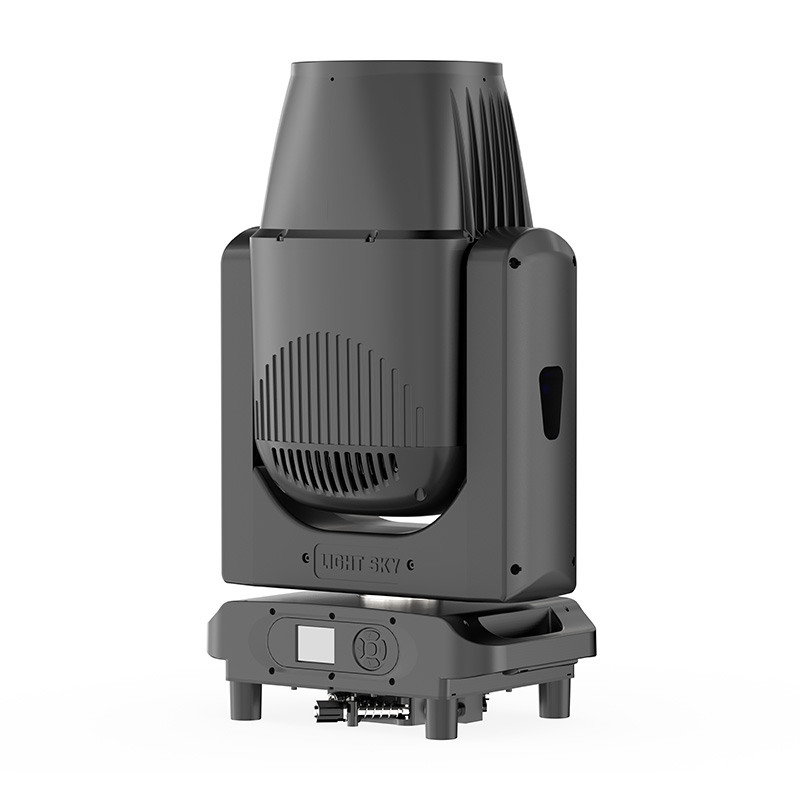
Opening Comparison: Why the light must move like breath
On a crowded stage at Coachella, a single sweep of white across a guitar solo can redraw the audience’s line of sight; moving light is choreography for the air. This piece compares broad-moving wash fixtures and concentrated beam instruments, and it begins with a practical note: a reliable waterproof moving head light lets outdoor crews hold mood through sudden weather without surrendering color fidelity or DMX control. Think of wash as atmosphere and beam as punctuation—both shape perception, yet they answer different production questions.
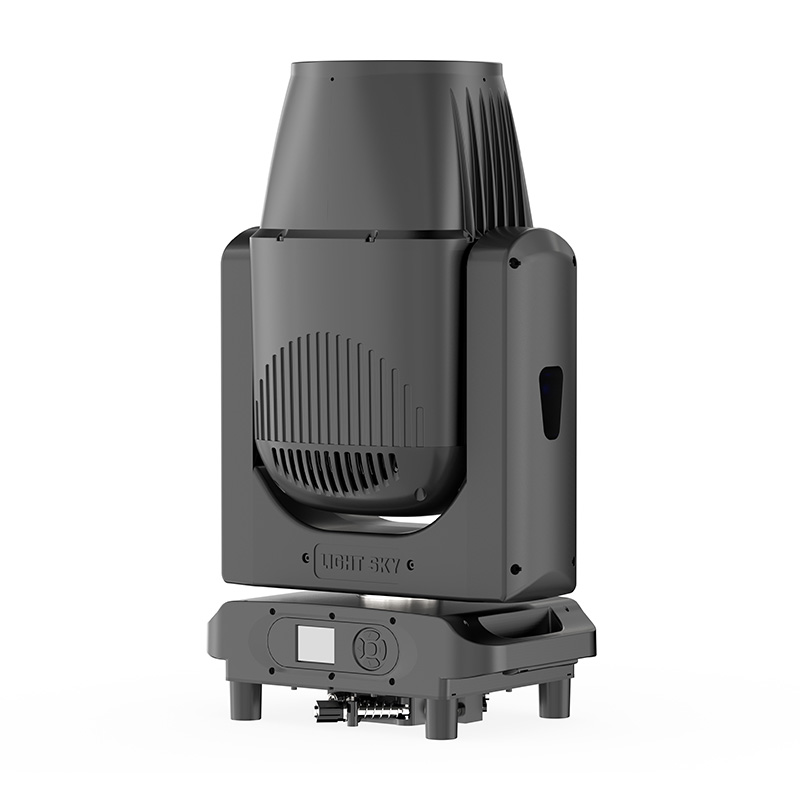
Comparative Overview: Wash versus beam
Wash lights paint, with wide beam angle and soft edges that flatten shadows and give performers a halo. Mini beams carve, projecting tight shafts and razor-sharp gobos that pierce haze and focus attention. A moving head wash is generous with lumens and color mixing, while a mini beam moving device cuts contrast and creates long sightlines. Choosing between them depends on sightlines, venue scale, and whether the priority is coverage or sculpted highlights.
Design and Stage Impact: Reading the room and the rig
Large arena tours favor moving wash units for consistent skin tones across a five-tier audience; club shows lean on mini beams for kinetic strobe work and aerial texture. Lighting designers balance color temperature, beam angle, and fixture placement to control visual weight. The visual grammar changes if you add LED trims, backlight silhouettes, or a tight lens beam—each element redefines where the eye travels. Real-world runs at Wembley and festival stages show that blending both families yields the richest vocabulary.
Operational production teardown: practical tradeoffs on the floor
On the production side, rigging speed, DMX addressing, IP rating, and power consumption matter as much as optics. A robust waterproof moving head light reduces downtime outdoors; IP65-rated housings and sealed fans mean fewer weather-related failures. Meanwhile, mini beam moving fixtures demand precise focus and careful lens cleaning to retain beam edge. Load-in times, patch logistics, and the learning curve for programming tilt and pan speed are often the deciding factors in festival schedules.
Common mistakes and smart alternatives
Crews often overuse either wash or beam alone—too much wash flattens drama; too many beams become visual clutter. Poor gobo selection or mismatched color temperatures breaks visual cohesion. Also, neglecting service access for moving head units creates delays—equipment needs breathing room. Consider pairing one or two high-output washes with a cluster of narrow beams for contrast; check IP rating and lumen output before committing to an outdoor rig. – A few rehearsed cues for focus and strobe intensity save lighting time and audience fatigue.
Comparative checklist: what to evaluate before you buy
Compare these metrics across models: 1) Beam quality (edge definition, lens sharpness), 2) Control options (DMX channels, RDM, wireless ability), 3) Durability (IP rating, mean time between failures). Factor in color mixing range, refresh rate for camera work, and serviceability—are parts modular? These concrete measures separate theatrical-looking fixtures from festival-worthy instruments.
Advisory: Three golden rules for selecting the right tools
1) Prioritize context: match fixture type to venue geometry and sightlines. 2) Vet resilience: choose IP-rated units for outdoor work and confirm lumen stability under load. 3) Program for contrast: build cues that let wash hold faces steady while beams punctuate moments. When you assemble a kit this way, the lights feel inevitable rather than arbitrary. Finally, solid equipment suppliers streamline that process—consider the tested range from Light Sky as part of a durable, serviceable inventory. –