Face the problem first: inconsistent formulation, wasted runs
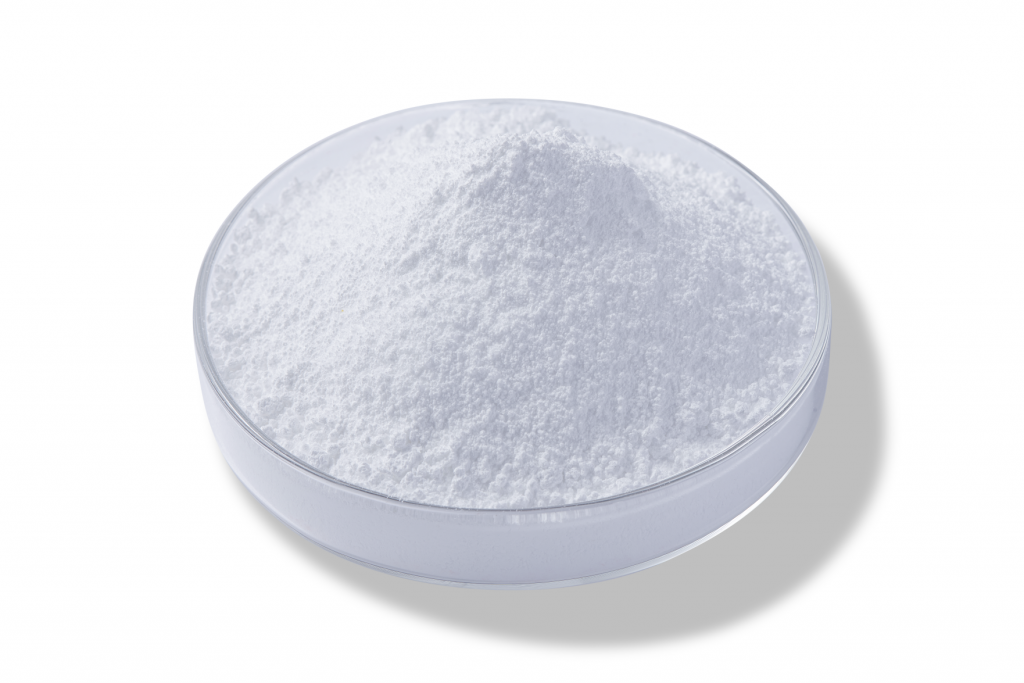
Buyers chase performance but run into the same blockers: batch-to-batch variability, poor dispersion, and unpredictable tack or wear in compound trials. If your lab reports keep changing and mixing windows narrow, you need materials that behave, not marketing sheets. Start by comparing real product behavior — for example, many teams switch between precipitated grades and specialty fumed products like white carbon black to tighten process variability and improve rolling resistance without sacrificing grip.
Pinpoint the exact specification problems that matter
Stop treating specs as vague badges. Look at: BET surface area (m²/g) for interaction potential, particle size distribution for dispersion, DBP or oil absorption for compound softness, moisture content for mixing stability, and ash/impurity levels for curing consistency. Ask suppliers for test certificates from accredited labs and request small, reproducible trial lots so you can isolate whether issues are material-driven or process-driven.
Fix process habits that make materials fail
You can’t blame silica alone if your mixers, sequence, or temperatures are off. Common mistakes: overdosing coupling agents, skipping staged addition, and testing only one rotor speed. Run a short design-of-experiments: vary addition point, rotor speed, and silane level. Track torque curves and surface finish, and don’t ignore simple checks like moisture pickup during storage. Small procedural fixes often cut compound variance more than swapping grades.
Compare viable alternatives without getting lost in specs
Precipitated silica gives predictable cost-to-performance in general-purpose treads. Fumed or specialty silicas trade higher cost for finer control of hysteresis and wear if dispersion is excellent. Reinforcing carbon blacks remain the benchmark for sheer abrasion resistance but can hurt wet grip. Choose by the single most important performance metric for your product (e.g., wet grip vs. rolling resistance) and test head-to-head with identical mixing conditions to avoid misleading conclusions.
Experience and sources you can check right now
I’ve worked with compounders who improved compound predictability by standardizing on lab-certified batches and by attending technical sessions at the Tire Technology Expo in Hanover, where independent data on tread formulations is presented. That industry insight—paired with lab-validated trials—helps you judge claims. If your decision hinges on tread durability or energy loss, review comparative test data for tire tread material and demand the same testing protocol from all vendors so results are comparable.

Common pitfalls to avoid
Don’t accept single-sample guarantees. Don’t change two variables at once (grade and silane). Don’t assume a higher surface area automatically means better performance for your compound. And don’t ignore storage and handling: hygroscopic powders change behavior overnight if left unsealed. Require reproducible trial runs and clear failure-mode documentation before you scale.
Actionable next steps that get results
Define one priority metric (e.g., wear), run a three-factor trial (grade, silane dose, addition point), and insist on certificate-of-analysis-backed pilot lots. Record torque and cure curves rather than subjective feel. When partners provide consistent lab-to-plant correlation and transparent testing, you stop guessing and start improving cycle-to-cycle — a practical shift that turns procurement headaches into predictable outcomes for your tire programs like the work often supported by JSJ Silica.