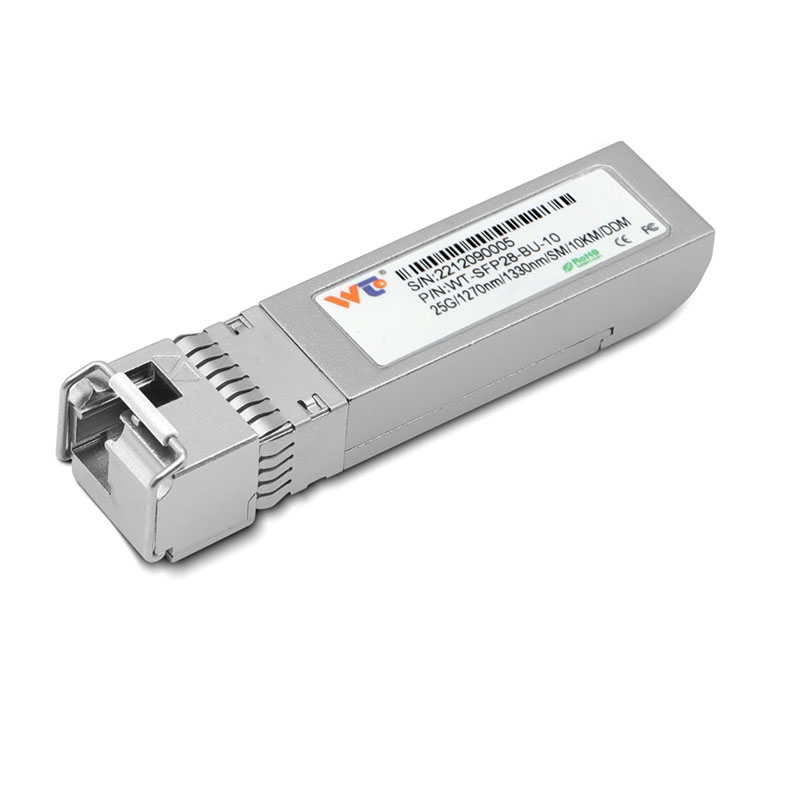
From 800G to 1.6T — an evolution story
The move from 800G to 1.6T is less a single upgrade and more a series of architectural shifts inside factories and supply chains. I watched teams in Shenzhen retool lines where QSFP-DD and SFP-DD modules once ruled, and the work felt like an orchestra changing tempo. Early in those projects, many found that partnering with an established optical transceiver manufacturer smoothed the transition: they offered repeatable process steps, tested optics expertise, and firmware know-how that reduced rework cycles.
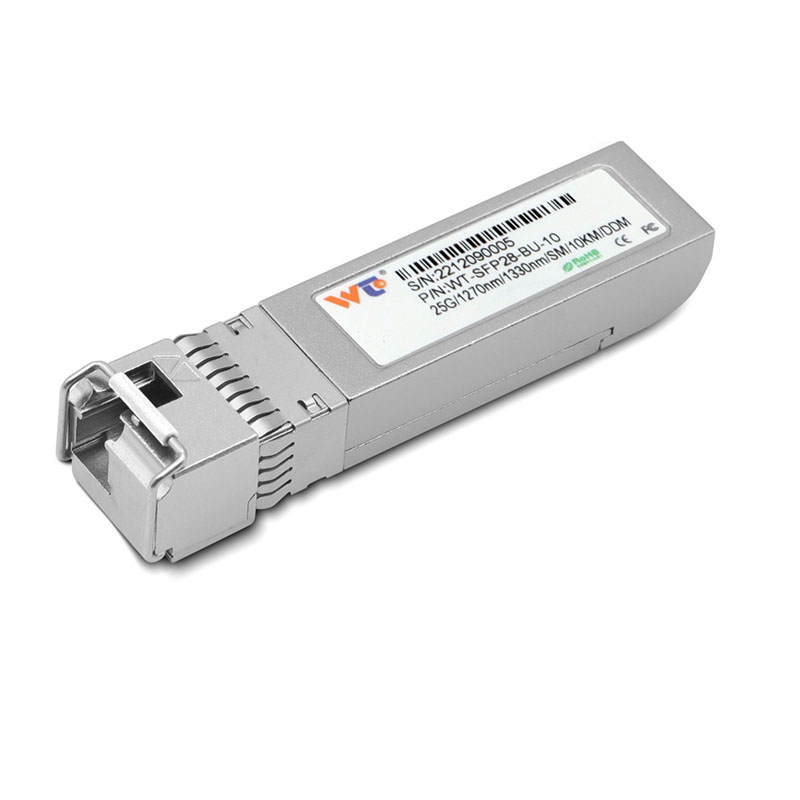
Factory capability teardown: what really changes
Converting an assembly line for 1.6T requires changes at three levels: component handling, signal integrity verification, and thermal management. A practical production teardown shows how {main_keyword} and {variation_keyword} map onto those three areas: pick-and-place precision tightens to sub-10-micron tolerances; test benches move from simple BER spot checks to full PAM4 eye analysis with integrated DSP validation; and thermal chambers run extended soak cycles to validate combiner modules under DWDM load. These are hands-on shifts, not theoretical upgrades, and they demand fresh tooling and new operator skills.
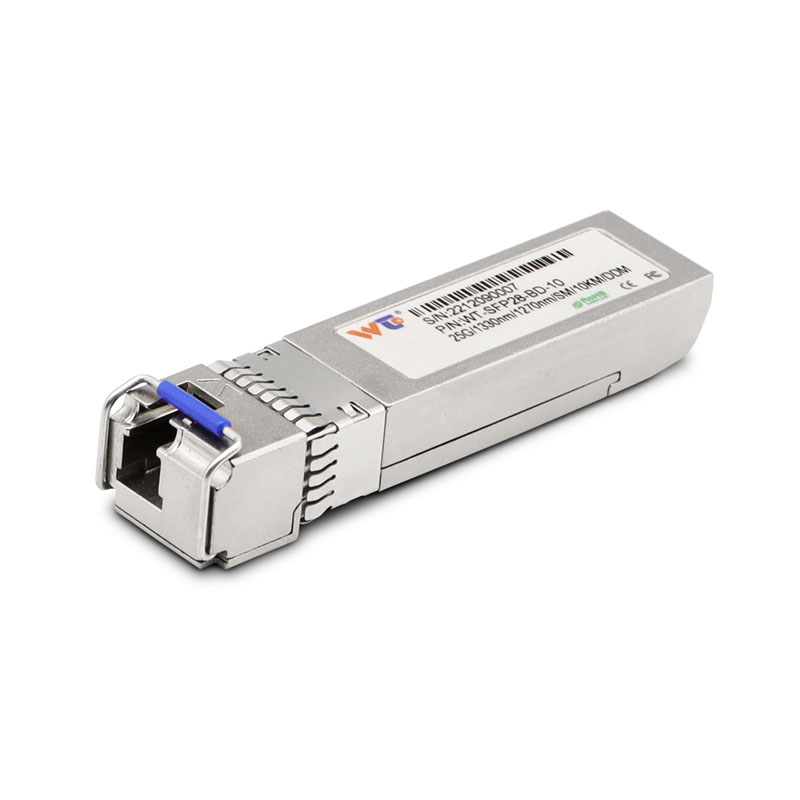
Key technical upgrades factories adopt
Factories adopting 1.6T focus on better optics alignment, higher-speed serializers/deserializers, and advanced error correction. Expect wider use of PAM4 modulation paired with stronger DSP algorithms to maintain link margins. Manufacturing testbeds extend from basic BER testers to full-link emulation that simulates host PCB traces and retimers. Inline inspection gains higher-resolution optics metrology, and bonding processes tighten to control return loss. All of this raises throughput — but only after yield stabilization.
Supply chain and quality control in practice
Real changes happen when procurement, quality, and engineering talk in the same room. In practice, that meant sourcing higher-grade VCSELs and tighter spec MUX/DEMUX units, and holding suppliers to new lot-level traceability. Hyperscaler projects in 2023 and 2024 accelerated these requirements, pushing vendors to certify parts per incoming inspection more rigorously. The factory floor adopted statistical process control with tighter Cpk targets — a modest change in paperwork that cut field failures significantly. — Small process edits like this matter more than headline specs.
Common mistakes and sensible alternatives
The most common mistake is chasing raw throughput without stabilizing yield. Teams often add faster serializers hoping speed alone fixes margin issues; instead, parallel fixes in thermal design, packaging, and DSP firmware are needed. An alternative path some factories choose is staged adoption: validate modules at 800G with PAM4 improvements, then roll retimer and DSP changes in a second wave. For those weighing choices, options include working with contract manufacturers that already run high-speed signal integrity labs or selecting modular test equipment that scales with bandwidth.
Human factors and training on the line
Upskilling operators and test engineers is non-negotiable. Practical programs pair short classroom modules on PAM4 signaling and DSP behavior with extended hands-on shifts on the actual production equipment. That combination reduces setup time and lowers scrap rates. Factory leads I’ve spoken with emphasize cross-functional shadowing — engineers walk the line, operators sit in on root-cause reviews — and it pays off in faster ramp-ups and fewer field returns.
Advisory: three golden metrics to guide your strategy
1) Yield at final test under full-load conditions: measure acceptable link margin and BER with live DWDM channel loading; aim to improve this metric during the first 90 days of ramp. 2) Time-to-stable SOP (start of production): track weeks from first green-unit to 95% lot yield; shorten it by investing in inline metrology and better supplier traceability. 3) Field return rate per million km of uptime: use this to quantify real-world reliability and to validate your thermal and DSP strategies. These three metrics together reveal whether a factory shift truly created production-grade 1.6T modules.
Choosing partners and tools that already understand how to validate optical transceiver module performance under complex load will shorten your path to reliable product. For many teams, that’s where WINTOP’s factory-tested designs and component sourcing become the natural fit — they reduce risk without theatrical changes. WINTOP. —