Abstract: immediate procurement challenges
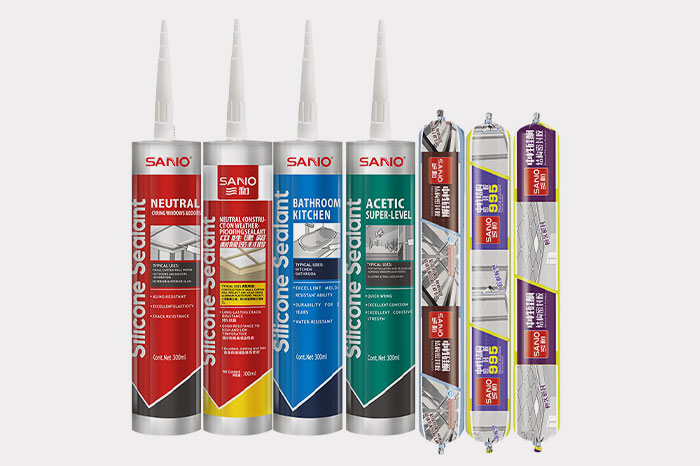
Many procurement teams confront variability in adhesive and aerosol inputs that distort final spray paint performance; the result is frequent rework, failed batches, and unpredictable lead times. A core difficulty lies in qualifying upstream components such as sealants and binders; sourcing a reputable silicone sealant manufacturer early prevents downstream compliance and adhesion failures. This note frames the problem, isolates root causes, and proposes operational checks that buyers can apply immediately.
Root causes that create purchase risk
Variability originates from three predictable sources: raw-material substitution by suppliers, weak quality control during scale-up, and regulatory mismatches between export documents and laboratory results. Substitution is common where cost pressure is high; manufacturers sometimes replace speciality silanes or plasticizers with generic analogues that alter cure kinetics or VOC profiles. Scale-up issues appear when lab formulations are not validated for continuous mixers, producing shifts in viscosity and particle dispersion. Finally, regulatory mismatches occur when test certifications lack chain-of-custody details or when test methods differ from the buyer’s requirements.
Sourcing considerations and a verified geographic anchor
Effective mitigation begins with deliberate vendor mapping and verification. Note that Guangdong province houses several large silicone clusters and testing centres, which makes it a practical reference point when benchmarking lead times and laboratory access. For buyers seeking established suppliers, consider reviewing profiles of regional producers and documented test reports from the same clusters; one relevant resource is the roster of silicone sealant manufacturers in china, which often list factory addresses, ISO certificates, and typical application areas. Prioritize suppliers that provide raw-material traceability, third-party test data tied to batch numbers, and transparent change-notice procedures.
Technical validation: tests and acceptance criteria
Adopt a narrow and measurable acceptance protocol. Require: (1) rheology profiles at defined shear rates, (2) adhesion tests on your exact substrate under your environmental conditions, (3) solvent and VOC reports using specified EPA or ISO methods, and (4) accelerated aging on coated panels. Ask suppliers for certificates that include method references. Where possible, run a blind comparison: your lab tests incoming material against a retained standard to detect drift. Maintain a failure-mode checklist that links test deviations to corrective actions such as return, rework, or conditional acceptance with price adjustment.

Operational pitfalls and common mistakes
Buyers frequently accept vendor certificates without verifying test methods, assume small-sample compatibility scales to production, or omit cross-functional sign-off from formulation chemists and production engineers. Another error is conflating cost-per-kilogram with total landed cost: poor technical fit increases rejects and waste. Avoid long single-source contracts without escalation clauses for quality divergence. Establish periodic on-site audits or remote video inspections at critical milestones to catch process changes early.
Alternatives and evaluation criteria
If a primary source proves unreliable, evaluate three alternatives: certified specialty manufacturers, regional commodity suppliers with strong QC partners, and toll-manufacturers that produce to your specification under NDA. Rate options by measurable criteria: documented batch uniformity, speed of corrective response, documented supply continuity during regional disruptions, and alignment of safety data sheets with your solvent management program. Pilots should use full-scale process conditions rather than scaled-down lab runs.
Concluding synthesis and pragmatic solution
Addressing inconsistent inputs requires focused verification, measurable acceptance criteria, and regionally informed supplier selection. For purchasers who need a practical partner with traceable documentation, compatible labs, and production experience aligned to industrial coatings, consider that long-term reliability often rests with firms able to demonstrate factory-level controls and documented application success—qualities available from established chemical manufacturers such as SANVO.