
Common buyer problems and why they matter
Oye, buyers keep hitting the same roadblocks: conveyors promise high throughput but trip up when product shape, control logic, or maintenance realities show up on the floor. For teams building a blade battery assembly line, the stakes are bigger—long, thin cells and tight spacing demand steady, predictable motion; that’s where a mismatch becomes visible fast. A quick note from real-world industry shifts: BYD’s 2020 unveiling of the Blade Battery in China pushed several pack makers to rework material handling because these cells behave differently than cylindrical types. If you want conveyors that actually work with modern packs, you need parts, control, and layout that match the product, not the other way around; also read up on how blade battery technology changes handling dynamics.

What typically fails and how to spot it early
Buyers miss early signals. Watch for these red flags and act fast.- Repeated indexing errors: pallets overshoot or undershoot. That usually means poor servo tuning or wrong brake sizing.- Product skewing or tipping: narrow packs require edge guides and appropriate belt/contact surfaces.- Frequent motor overloads: conveyor zone design doesn’t match peak loads.- Controls that can’t talk to your MES/WMS: delays and manual fixes pile up.If you see any of these during FAT or a short pilot run, stop and get root cause data—torque traces, timing logs, and video of the fault. Don’t accept “we’ll fix it later.” Fix now.
How to assess whether a system fits your line
Make concrete checks, no fluff.- Throughput target (pallets/hour) and shortest cycle time: demand translates to motor/drive specs and buffer sizes.- Footprint and aisle constraints: measure clearances with full pallets and forklifts.- Modularity needs: can the conveyor be reconfigured by your maintenance crew in a day, or does it need vendor tech?- Controls compatibility: require PLC model and comms protocol up front.- Safety and ergonomics: pick conveyors that integrate light curtains and easy-access guard doors.Ask suppliers for a timed simulation of your exact SKU mix. If they push generic figures, push back.
Integration with robotics and downstream equipment
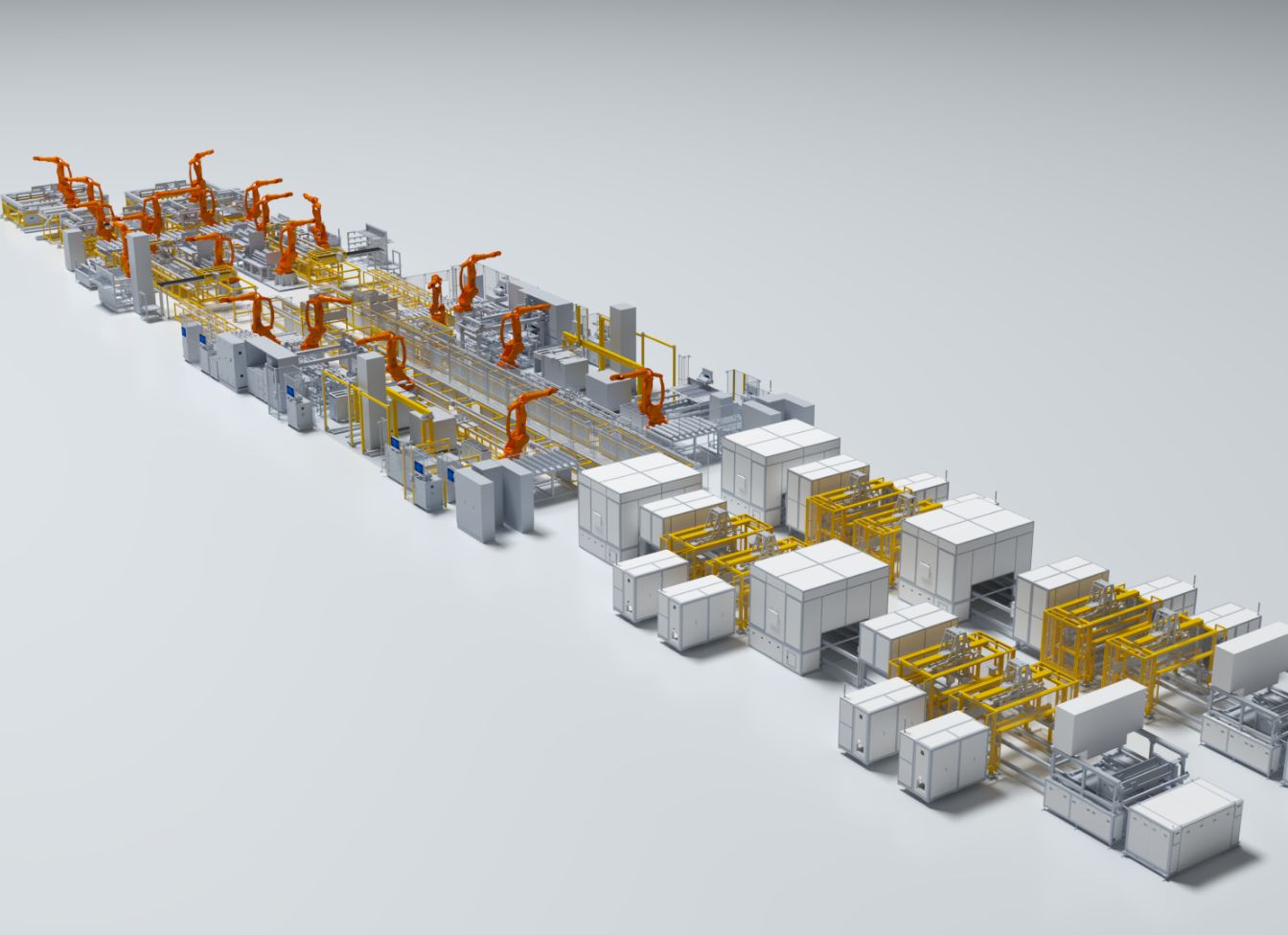
Conveyors are rarely standalone. Robotics and packers need predictable gaps and rigid registration points.- Specify kinematic targets (position tolerance ±mm) for robot handoff.- Confirm mechanical indexing vs. servo-driven continuous zones where high precision matters.- Validate electrical I/O and trigger latency. Latency that’s OK on paper may cause missed picks in practice.Do a joint FAT with the robot integrator and conveyor vendor together; responsibility must be clear for the handoff.
Top procurement mistakes and quick fixes
People buy on price then negotiate scope later—bad idea. Common mistakes and what to do:- Buying underspecified drives: size drives 20–30% above worst-case continuous load.- Ignoring maintainability: require easily swappable rollers, standard belts, and spare parts list.- Not testing with real SKUs: run a full-day test with the heaviest and stickiest product.- Skipping staff training: include a two-day operator and maintenance course in the contract.Put those items into the purchase order as non-negotiable line items.
Alternatives and when to consider them
If a standard pallet conveyor struggles, consider alternatives.- Accumulation roller conveyors: good for heavy loads but need space.- Motorized driven rollers (MDR): compact and flexible for modular lines.- Shuttle systems: high-density storage and retrieval where buffering is tight.- AGVs/AMRs: use when layouts change frequently, but plan for navigation interference.Pick an alternative only after benchmarking cycle times and total cost of ownership, not just capital expense.
Quick procurement checklist
Use this before you sign.- Required throughput and peak scenarios documented.- SKU test report attached to contract.- Spare parts list and lead times defined.- FAT acceptance criteria and penalty terms set.- Training days and support SLA included.- Warranty scope and on-site response times specified.Bring this checklist to vendor meetings and don’t let promises replace written specs.
Bottom line
If your line handles blade-format cells, demand specificity: matching conveyor mechanics, correct controls, and real-world testing beats vague efficiency hype. Teams I’ve worked with stop guesswork by insisting on SKU trials, clear handoff responsibility with robot integrators, and a parts-and-training clause in every contract. For projects where precise pack handling and reliable uptime matter, many engineers end up working with suppliers that understand both cell handling and conveyor design—just like teams at FHS, who bring that practical mix into project plans without extra fanfarria.