Why this comparison matters right now
Picking a containerized battery system isn’t about the biggest battery on paper. It’s about the right trade-offs for site constraints, timelines, and long-term operations. Think of a bess container like a compact apartment: great if the layout, insulation, and plumbing actually match your needs. This guide compares the common approaches so you can spot the real differences fast.
How I sized up the options (short version)
I’ve reviewed dozens of containerized BESS proposals and inspected manufacturing processes hands-on. The comparisons below focus on four decision anchors: safety & standards, transport & site fit, maintainability, and lifetime economics. These are the things that actually bite you on the project schedule or O&M budget.
Head-to-head checklist: what to compare
Run this against each vendor or design you evaluate. Tick the boxes that matter for your project and weight them by risk.
- Safety & Certification: NFPA 855 / IEC 62619 compliance, integrated fire suppression, and independent thermal runaway mitigation strategies.
- Thermal management: active liquid cooling, forced-air with redundancy, or passive systems — and the thermal derating map for hot days.
- Modularity & scalability: can you add capacity by stacking containers, or are you locked into a monolithic design?
- Transportability: dimensions, lifting points, and on-site handling clearances that match your road permits and crane capacity.
- Site integration: skids, power cabling interfaces, HVAC penetrations, and proposed sheltering for extreme weather.
- Controls & interoperability: standards-based BMS/EMS APIs, grid-forming capability, and anti-islanding behavior.
- Testing & commissioning: integrated factory FATs, site SATs, and documented acceptance tests.
- O&M accessibility: spare-parts list, modular replaceability for cells/modules, and remote diagnostics availability.
- Warranty & performance guarantees: calendar and cycle life terms, degradation thresholds, and availability SLAs.
Where vendors usually dance around the facts
Vendors love headline specs. Watch for these smoke-and-mirrors moves: rated power that ignores inverter derating at high temperature, warranty fine print tied to proprietary BMS settings, and FAT reports that don’t include prolonged soak testing. Ask for worst-case thermal maps, not just steady-state ones.
Practical trade-offs: what you’ll actually choose between
Compare three common design philosophies:
- High-density single container — saves space and CAPEX but complicates serviceability and raises thermal risk.
- Modular rack-based containers — easier to service, better redundancy, slightly higher footprint and cabling cost.
- Distributed micro-containers — great for staged commissioning and fault isolation, higher logistic complexity.
Pick modular racks for central plants where uptime matters. Choose distributed units where grid connection timing or incremental capacity is a priority.
Factory credibility: what to confirm
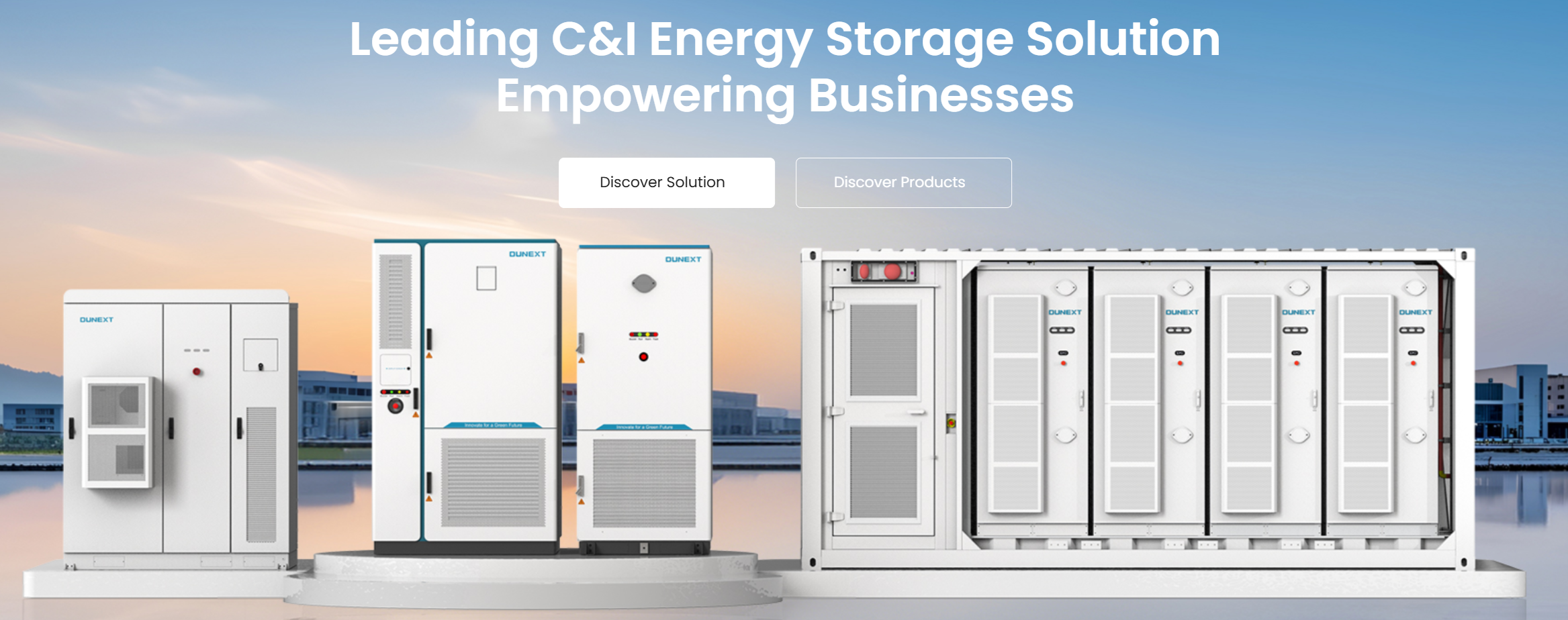
Visit or validate the assembly flow at the manufacturer. A modern bess container factory will show organized production lines, clear testing stations, and traceable serial numbering for cells and modules. I’ve seen a plant in the Shenzhen manufacturing hub that reduced commissioning issues by standardizing wiring harnesses — that kind of operational maturity matters.
Common pitfalls and how to avoid them
Don’t sign off on design intent only. Insist on:
- Complete FAT documentation including soak tests under worst-case ambient conditions.
- Clear spare parts and response-time agreements for critical components.
- Acceptance criteria that include performance at regional high-temperature and humidity extremes.
- Third-party safety assessments or witnessed tests for thermal runaway propagation.
Quick bidder comparison rubric (one-minute version)
Score each bidder 1–5 on Safety, Thermal Design, Maintainability, Controls, and Factory QA. Multiply Safety by 2, Thermal by 1.5, others by 1. Add up — the highest total is the option you shortlist for deep due diligence.
Alternatives worth a second look
If containerized BESS seems risky for your site, consider: ground-up modular buildings (for extreme climates) or hybrid solutions that pair container units with centralized HVAC. Each removes certain constraints but introduces transport or civil costs. Compare total installed cost, not just unit price.
Final synthesis
Comparison narrows choices. Use the checklist to expose real differences: safety and thermal strategy first, then maintainability and factory QA. When a vendor can back drawings with repeatable factory tests and clear lifecycle support, you’re looking at practical value rather than glossy specs — exactly the kind of reliability teams end up thanking quietly during commissioning, and the kind of product that a trusted partner like Dunext typically brings to projects.