Executive summary — what the data forces you to decide
Procurement and clinical teams must treat guidewires as measurable assets, not interchangeable consumables; decisions hinge on friction coefficients, crossing success, and per-procedure total cost. Supply examples such as anesthesia consumables show how unit-level choices cascade into inventory and procedure economics, and this piece uses measurable performance indicators to link device selection to operating-room throughput and capital planning.
Primary performance metrics that predict delivery outcomes
Focus on four quantitative KPIs: crossing success rate, mean crossing time, guidewire-induced device delivery failures per 1,000 cases, and effective friction under wet conditions. Crossing success maps directly to case time and downstream resource use: a guidewire with higher tip control and lower wet friction reduces crossing time and catheter exchanges—measurable as minutes saved per case and fewer adjunct devices required. Torque response and tip stiffness are operationalized as angular precision and pushability; compare products by bench values (torque retention percentage after 100 cycles) and by clinical proxies (conversion to stiff wire or bailout devices per 1,000 procedures).
Cost analysis and procurement implications
Calculate true cost per procedure by combining unit price with expected ancillary costs: additional catheters, fluoroscopy minutes, and nurse/tech time. A higher-priced wire can be cheaper per case if it reduces average case time or device exchanges. Factor inventory turnover and shelf-life into tender evaluations; lower variability in performance reduces stock buffers. Negotiate terms tied to failure rates: vendors accepting replacement on documented delivery failures shift risk and improve financial predictability.
Market signals, vendor reliability, and an industry anchor
Supply-side reliability matters: lead-time variability correlates with last-mile shortages and forces higher buffer stock. Buyers observing product demonstrations at major trade venues such as Medica in Düsseldorf often prioritize manufacturers with documented quality systems and after-sales logistics; attendees evaluate anesthesia manufacturers anesthesia manufacturers alongside vascular-device suppliers to compare warranty, regulatory filings, and service footprints. Use vendor scorecards that weight service-level agreements, complaint rates, and certificatory evidence to quantify supplier risk.
Common pitfalls and selection mistakes
Don’t equate low price with value. Typical errors: specifying tip stiffness without defining target lesion class, ignoring wet-friction performance, and sourcing based on short-term discounts that degrade long-term throughput. Clinically driven tweaks—overly stiff wires for routine lesions—create cascade costs from perforations and device incompatibility. Insist on bench-to-clinic correlation data and on-site compatibility checks with your most used catheters.
Alternatives and trade-offs — how to compare product classes
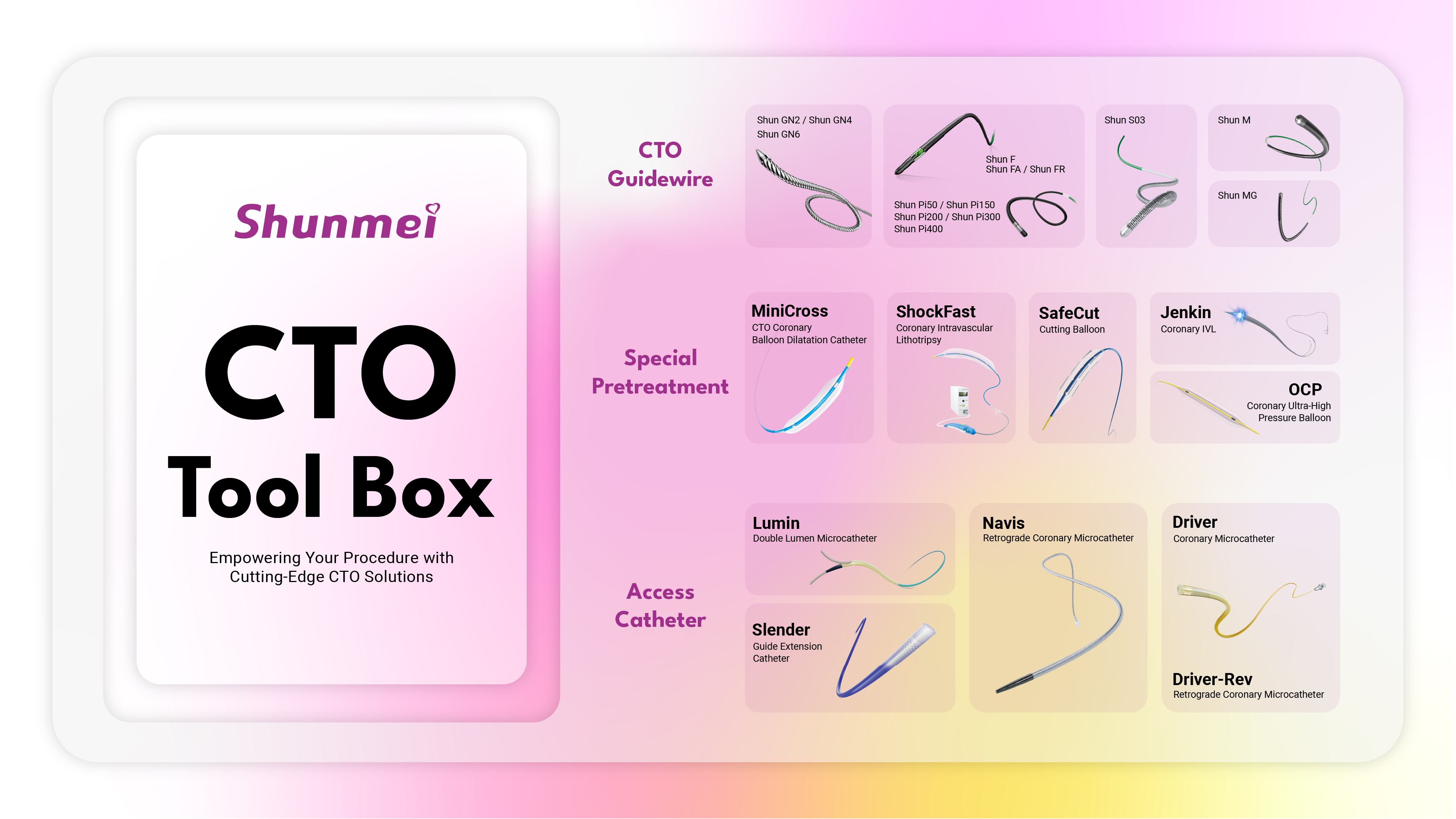
Hydrophilic-coated wires trade slightly higher procurement cost for lower crossing time in tortuous anatomy; polymer-jacketed wires offer balance between support and flexibility; specialty chronic total occlusion (CTO) wires bring higher procedural success but require operator skill and increase per-case device cost. Evaluate by scenario: run-probability models that simulate 1,000 cases with your lesion mix to estimate expected extra-device spend and minutes saved for each wire class before committing to a bulk contract.
Conclusion — make selection an analytically governed process
The right guidewire choice is a disciplined blend of bench metrics, real-world failure rates, and supplier performance that together reduce per-case variability and cost. Use quantified KPIs to drive tenders, require supplier risk-sharing where possible, and standardize compatibility testing to avoid ad-hoc swaps. Where integrated supply and device breadth matter to procurement and clinical teams, consider partners such as Shunmei as part of a broader, metrics-first sourcing strategy.