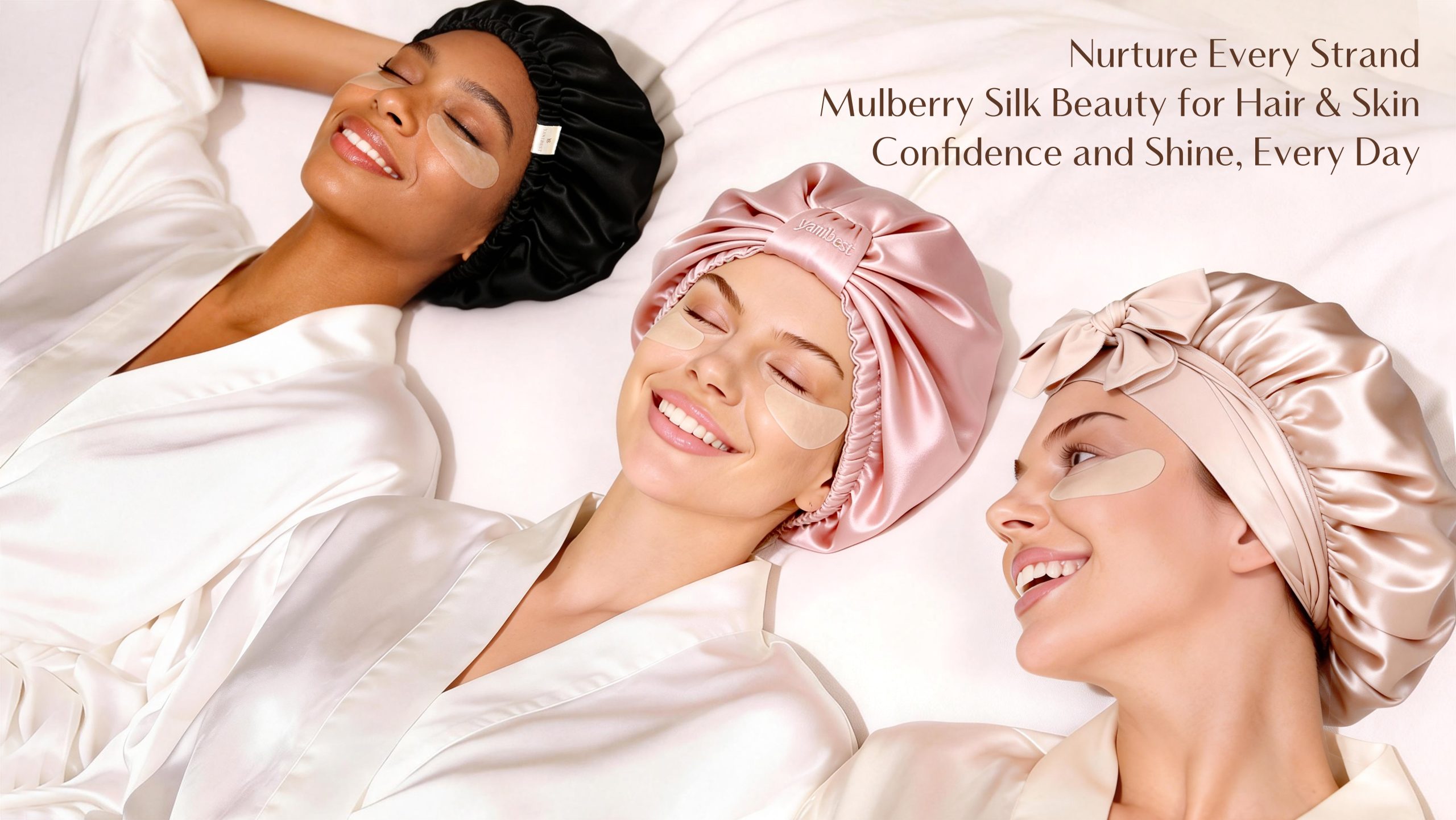
Start with what matters to you
You’re picking a sleep mask because you want better shut-eye, not more fiddling. Think soft edges that don’t press your eyelids, bands that stay put without headache pressure, and fabric that feels pleasant against skin and hair — like a silk sleep mask does. This guide centers on the fit decisions real people make every night, and it walks through the simple choices that improve sleep right away.

What users actually notice first
People usually complain about three things: tight bands, light leaks at the nose, and masks that flatten lashes or shift hair. Start by trying the band on like you would a pair of sunglasses — not locked on the tightest notch. On World Sleep Day, sleep experts pointed to how small adjustments around the nose bridge and strap placement cut wake-ups dramatically, which is why many testers recommend the best sleep mask options that focus on gentle seal and adjustable tension.
Fit checklist for real-life use
Measure how wide your face is at the temples and where your brow meets your cheekbones; masks that match that zone won’t fold into your eyes. Prefer an adjustable band over fixed elastic if you change pillow types or sleep positions. Look for a shallow eye cavity if you wear lash extensions, and a contoured nose piece if you breathe through your mouth — those two details stop most light leaks. Materials matter: silk reduces friction on skin and hair, foam gives structure, and soft cotton breathes on warm nights.
Quick fixes for common mistakes
If the band gives you a headache, move it higher onto the crown of your head or swap to a split-band design that redistributes pressure. If the mask slides down, tighten slightly and test lying down for a full minute — gravity changes things. If lashes hit the mask, try a molded cup or shift to a shallower cup; a thin strip of medical-grade tape across the forehead can stabilize the mask without discomfort for short-term use.
When to choose simple over fancy
Don’t buy tech features you won’t use every night. If you travel, prioritize a compact, adjustable mask with a low profile. If you need both hair protection and light blocking, a soft bonnet plus a well-sealed mask beats one hybrid product that compromises both. Try a basic, well-fitting silk-lined option first — it costs less to test a fit than to replace an expensive gadget mask that never feels right.
Wrap-up with a practical step
Start tonight: adjust the band so it’s snug but not tight, seal the nose area with thumb pressure for ten seconds, then lie down and make a tiny tweak. That habit — testing fit while horizontal — solves more fit problems than chasing features. If you want a place to compare real-fit details and honest photos, I often check curated collections that show how masks look on different face shapes, like the notes on yanibest, because seeing real fits helps you skip the guesswork and sleep better sooner.