Start by ranking what actually matters
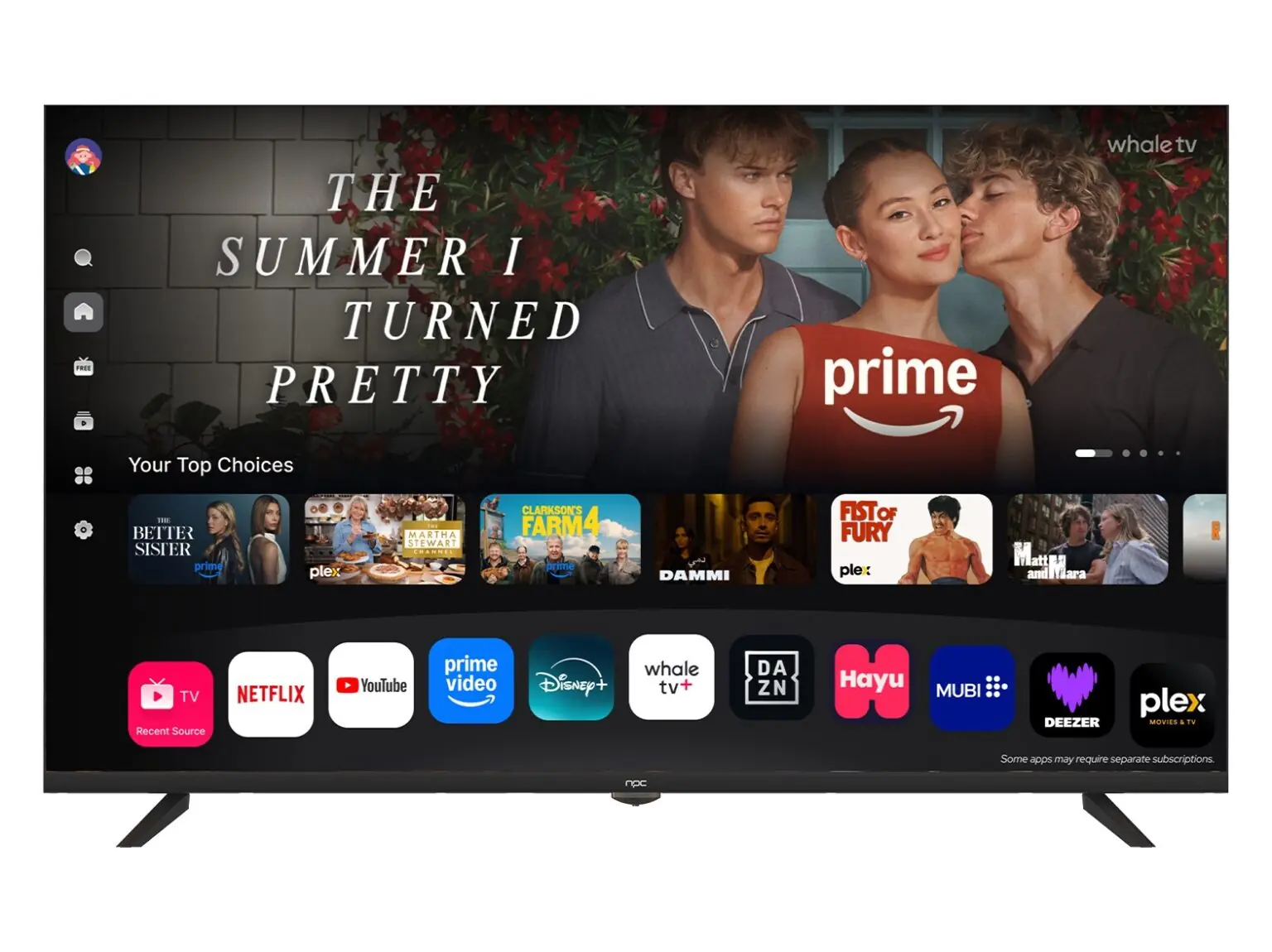
Decide whether picture quality, smart features, or long-term support wins for you—then compare brands across those priorities. I usually line up candidates side-by-side: hardware specs, software behavior, warranty and repair history, and real-world performance from owners and reviewers. If you want a quick lookup of options, check a reputable tv manufacturer catalog to see how models group by feature set and price.
Panel tech and picture performance — where differences are obvious
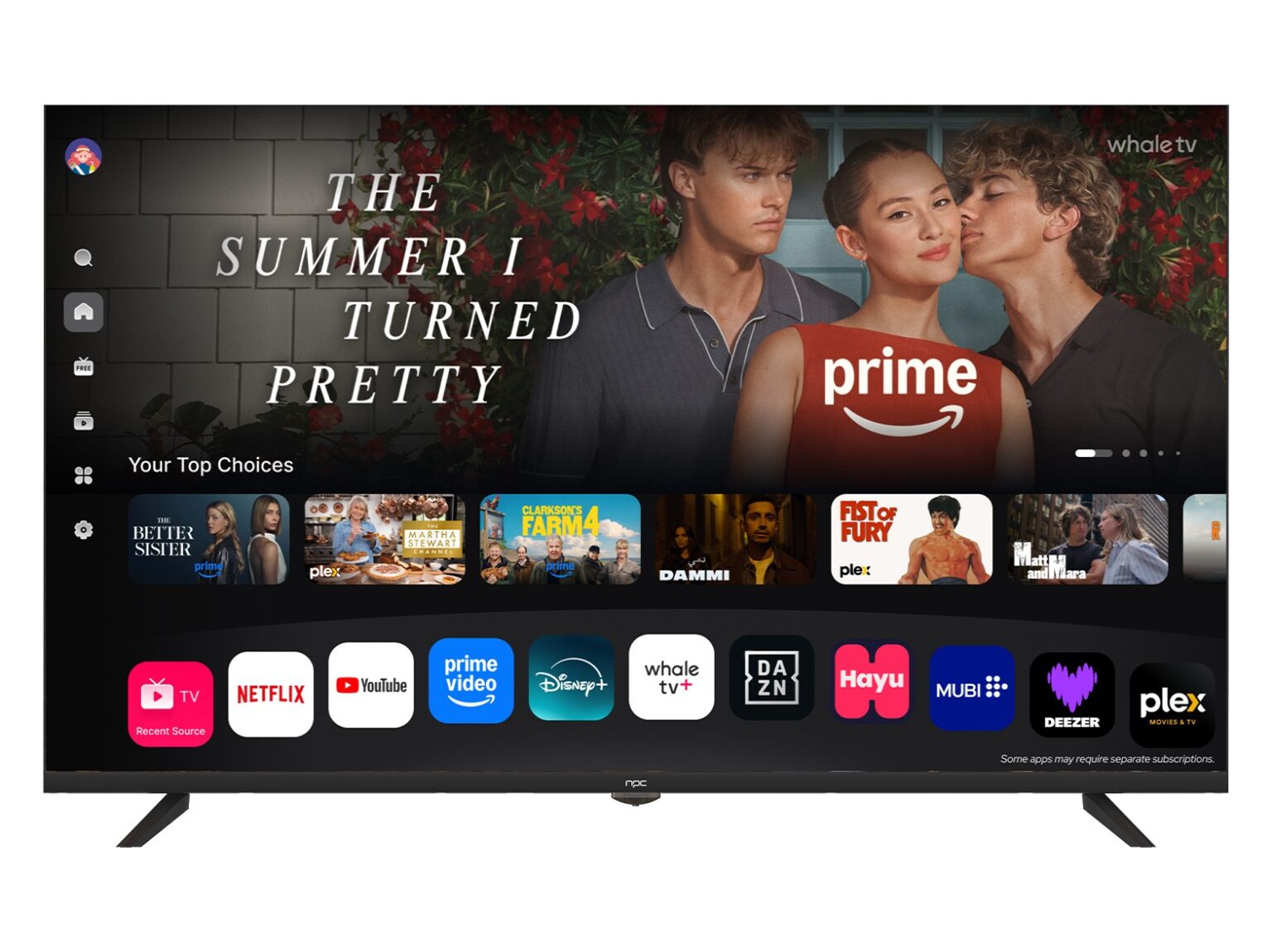
OLED delivers deep blacks and contrast; LED/LCD with local dimming competes on brightness and price. QLED variants push color volume on bright rooms. Don’t let buzzwords distract: compare measured HDR tone mapping, peak brightness, and uniformity reports. Look for manufacturer consistency across model years—some brands tune firmware aggressively, others ship conservative profiles that need calibration.
Software and ecosystem — the stealth differentiator
Smart platforms control day-to-day happiness. Apps, voice assistants, update cadence, and remote design all shape the experience. For a real-world anchor, consider South Korea, home to Samsung Electronics, which widely deploys Tizen on its TVs and influences developer support and app availability across regions. If you prioritize a stable, developer-friendly platform, check platform documentation and app catalogs for the specific models you’re comparing; one useful lens is the behavior of the tizen os smart tv across model years and regions.
Gaming, input lag, and motion handling — pick by use case
Gamers want low input lag, VRR, and reliable HDMI 2.1 implementation. Sports fans care more about motion interpolation and sustained brightness. Look at measured input lag numbers at the refresh rates you’ll use and scan for consistent firmware updates that fix motion artifacts. Comparing these numbers across manufacturers reveals who ships optimized gaming modes versus who treats it as a checkbox.
Support, repairs, and regional service — don’t ignore aftercare
Warranty length is shallow alone; the real test is how quickly parts and service are available locally. Brands with strong regional distribution usually mean faster turnaround for panel issues. Read recent customer service reports and local repair-center listings rather than only trusting marketing promises. That’s where brand reputation becomes tangible: one quick search shows whether authorized technicians exist near you.
Price-versus-performance trade-offs — pragmatic selection
Flag three tiers: budget, mid, premium. Within each tier, compare effective value: measured contrast, software experience, and support reliability. Avoid buying the flashiest spec if firmware gaps or poor update policies undermine daily use. Often a midrange model from a reputable brand beats a spec-heavy budget option in real life.
Common mistakes to skip
Don’t buy on resolution alone; 4K is standard but upscaling and processing differ greatly. Don’t assume a brand’s flagship means best fit for all rooms. Don’t ignore regional differences in apps and warranty terms. And don’t treat reviewer scores as immutable—benchmarks and user feedback over several months give a clearer picture.
How I test recommendations—what earns my trust
I’ve reviewed dozens of TVs and worked with streaming UI teams to deploy apps on multiple platforms; those hands-on checks reveal how a model behaves after a few firmware cycles. I prioritize repeatable measurements and ongoing user reports over single-review snapshots. That approach surfaces which manufacturers offer consistent software support and which models require frequent patches.
Bottom line
Compare the things you’ll live with every day: screen tech, software, responsiveness, and service. Match those to your budget tier and use case, then pick the brand that shows consistent performance across those axes. For a consolidated place to browse models that line up with those priorities, I find npc useful when checking features, software notes, and service footprints before committing.