When installations underdeliver: a practitioner’s view
Last summer I stood under a warehouse array as the monitoring screen logged a 37% drop in output over three rain-heavy days—how do you harden against that in real operations? C&I Solar is the backbone of any modern solar system for business, yet too many projects still stumble on practical details.
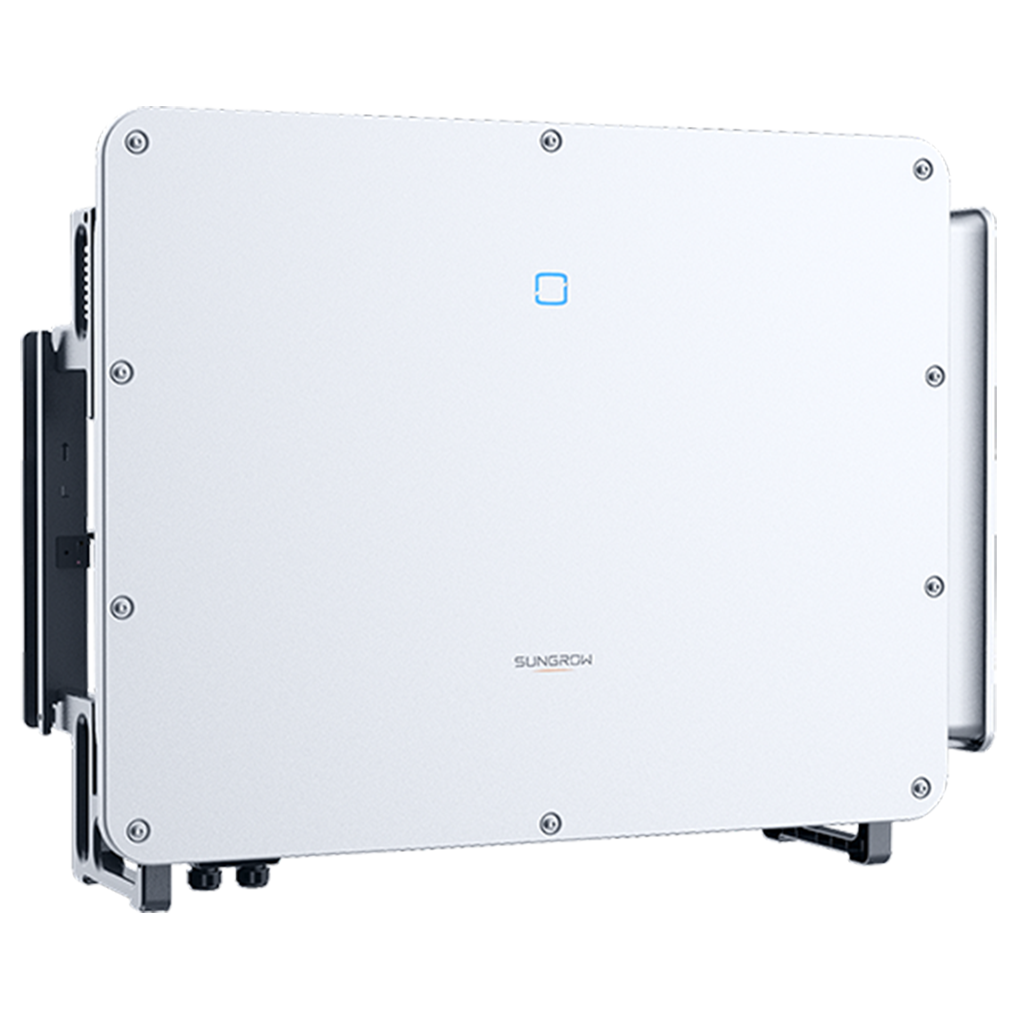
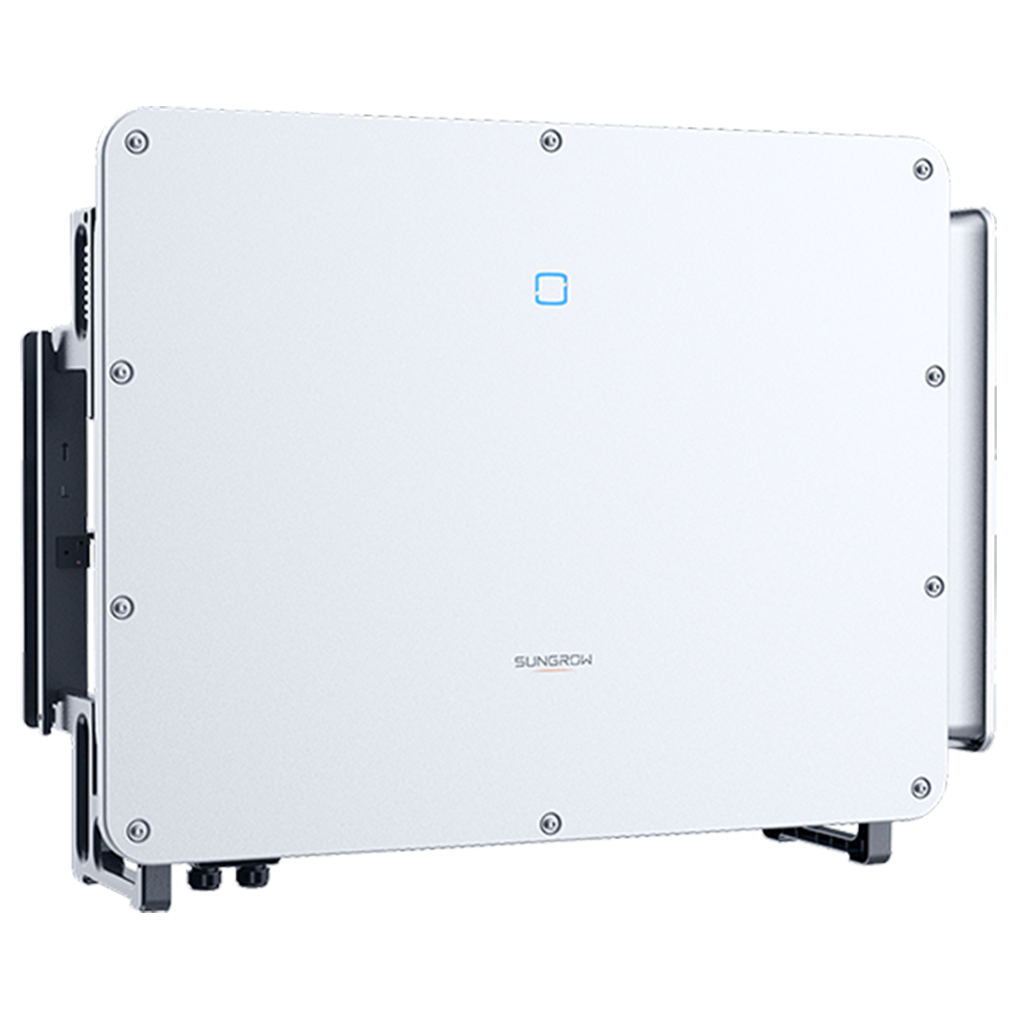
I’ve watched this pattern play out in person. In March 2019 I managed a 250 kW rooftop PV inverter installation at a Dallas distribution center that produced roughly 120,000 fewer kWh than the feasibility model predicted in year one—because shading, inverter clipping and delayed interconnection were under-accounted. I say this bluntly: design math alone doesn’t cut it (field ops matter). The hidden user pains are operational — poor commissioning, siloed telemetry, and O&M contracts that forget rapid fault response — and they hit cashflow and uptime hardest. You bet, clients hate surprises; I do too. This explains why a technical comparison is more useful than another high-level pitch. — Next, let’s look at what actually separates systems that meet targets from those that don’t.
Comparative routes forward: building a resilient solar system for business
Start with a clear definition: an integrated commercial solution pairs PV arrays, a properly sized PV inverter, and an energy storage system (ESS) under a unified energy management system (EMS). When I compare two retrofits we ran — one in Phoenix (May 2021) and one in Atlanta (Sept 2022) — the Phoenix retrofit (150 kW PV + 200 kWh ESS) cut peak demand charges by $22,000 in the first 12 months because the controller prioritized discharge during demand events. The lesson is concrete: proper ESS integration and intelligent EMS tuning reduce kWh waste and demand fees. And yes — that includes simpler commissioning to avoid long tail performance losses.
What’s Next?
From a technical standpoint, evaluate three comparative layers: hardware fit (inverter topology, DC combiner sizing), control logic (EMS rules for peak shaving vs. arbitrage), and service model (response SLA, remote diagnostics). I prefer systems that offer modular inverters and open telemetry — they simplify upgrades and troubleshooting. In one case (a 500 kW rooftop, Q4 2020) switching to string inverters with distributed MPPT recovered roughly 8% annual yield vs. the prior central inverter layout; that translated to tens of thousands in extra revenue. These are the metrics that separate hopeful proposals from operationally reliable projects.
Choosing a solution: three evaluation metrics I use
1) Performance certainty: demand the modeled vs. guaranteed kWh and an independent P50/P90 estimate. I insist on P90 scenarios in contracts when I’m advising buyers. 2) Response SLA and telemetry: can the vendor push firmware updates and isolate faults remotely? Faster mean time to repair (MTTR) cuts real losses. 3) Total cost of ownership: compare LCOE plus avoided demand charges and the projected payback in months — not just simple payback. These metrics give you measurable criteria, not vague promises. Short interruption here — check historical inverter logs. Then decide.
I write from more than 15 years advising wholesale buyers and facility teams; I’ve handled projects from small retail rooftops to 1 MW distribution-site clusters. My practical take: focus on the integration points (inverter sizing, ESS behavior, EMS policy), insist on clear commissioning steps, and require performance-backed terms. For trustworthy components and system-level support, I often point teams to proven manufacturers and integrators — good partners can reduce installation errors and protect projected kWh. For further vendor exploration, consider solutions like the solar system for business offerings that bundle PV, inverter, and storage with commercial-grade EMS. In the end, choose systems that answer these metrics — and contact experienced integrators who have fixed real-world issues. (You’ll save time and money.)
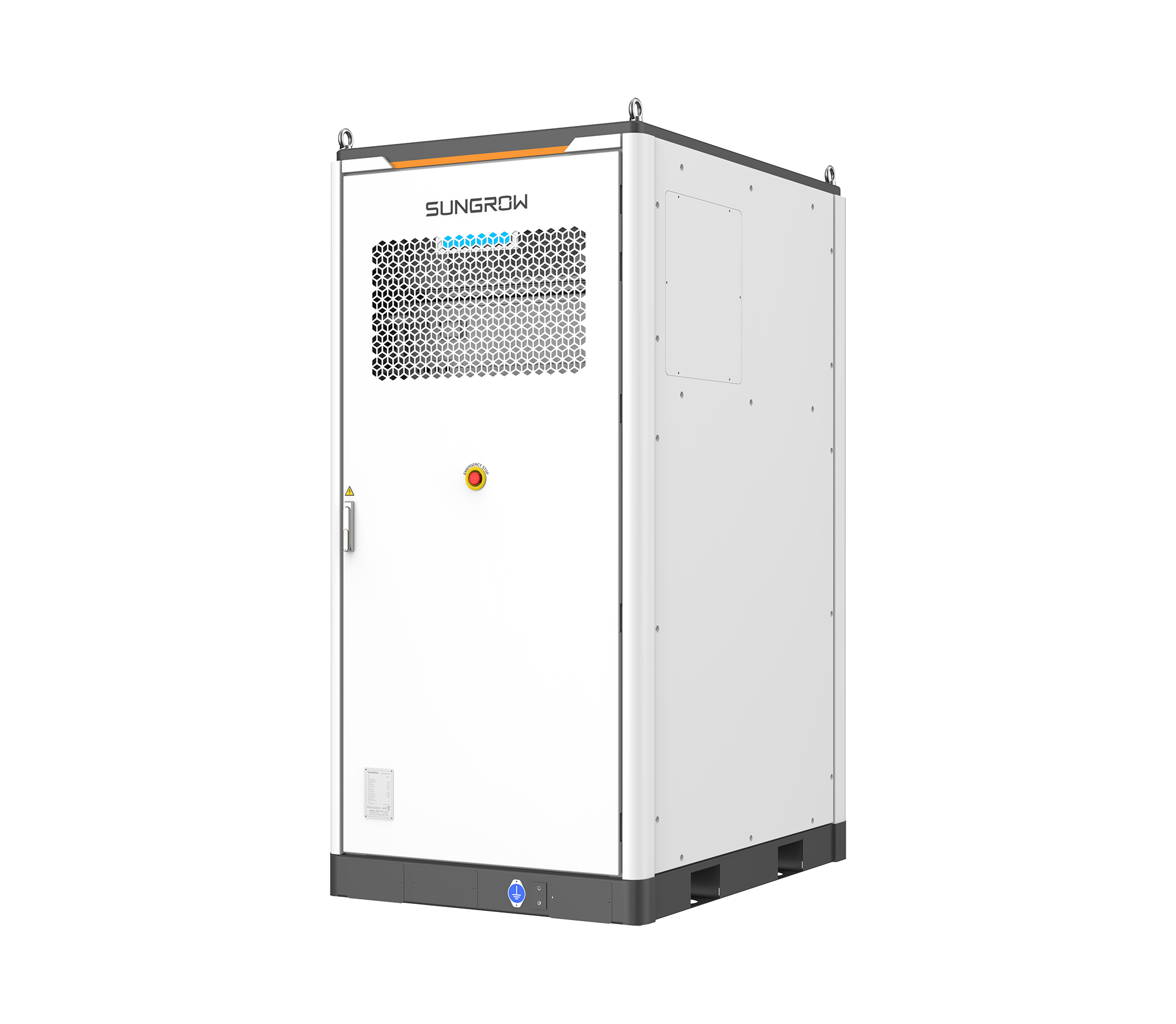
I recommend these three practical evaluation steps one last time: verify P90 performance, require remote telemetry and short MTTR, and calculate full-year LCOE including demand-charge savings. I’ve seen these checks stop projects from underperforming — measurable, direct, repeatable results. For trusted vendor references and product roadmaps, I also look to partners like sungrow when advising clients.