First pour — identify the fault
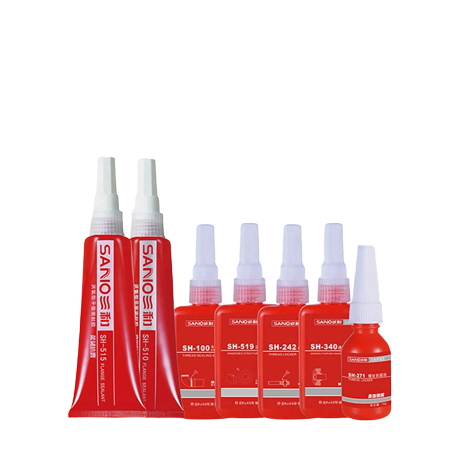
Your assembly should sit tight like a plate balanced on a steady hand; when a bolt starts to sing and rattle, the flavor of the problem is obvious. Reach first for a thread locker when vibration, thermal cycling, or solvent exposure threatens the joint. Think about a high-volume auto line in Germany’s automotive industry — where parts must survive extreme tests on schedules that don’t forgive rework — and you’ll see why manufacturers partner with a reliable threadlocker adhesive manufacturer to prevent costly failures.
Pinpoint the performance problem
Ask: what’s failing, exactly? Is the bolt backing out under repeated vibration, creeping under heat, or losing clamp from chemical exposure? Specify load type (shear vs. tensile), expected temperature range, and whether disassembly will ever be required. These specifics are the recipe for choosing strength grade, cure profile, and material compatibility.
Questions that reveal the right product
Request clear answers on: tensile and shear strength numbers, cure time on metal and on expected substrates, service temperature limits, and solvent/chemical resistance. Ask for ASTM or ISO test references and real application data. Demand lot-level traceability and a Safety Data Sheet with shelf-life details. If you can’t get numeric data, don’t buy the product.
Material and surface considerations
Tell the supplier what metals and finishes you use. Stainless, plated steel, aluminum — each chews the adhesive differently. Ask about surface prep: is degreasing required, or will the adhesive bond reliably to lightly oiled parts? Match cure mechanism to your production line speed: anaerobic cures under exclusion of air, but primers help on difficult surfaces.
Application and process fit
Describe your dosing method: manual drops, automated dispensers, or pre-applied patches. Ask about viscosity, bead stability, and whether the product supports fast cure on fixtured parts. Check whether post-assembly handling times align with your takt time. Poor process fit is the fastest path to inconsistent joints.
Regulatory, testing, and quality proof
Require evidence: third-party test reports, compliance claims (RoHS, REACH if applicable), and shelf-life studies. Ask for accelerated aging data if long-term integrity matters. Find a supplier willing to run a small pilot and provide sample lots with certificates of analysis — that’s where expertise becomes trustworthy practice.
Common mistakes to avoid
Don’t assume one grade fits all. Using a high-strength product where disassembly is routine causes damage; using a low-strength product on a vibrating joint causes rework. Skipping surface prep or ignoring cure inhibition from oils will make a perfect adhesive fail. Finally, don’t accept vague performance claims — insist on numbers you can test on your own parts.
Alternatives and trade-offs
Mechanical locking (nylon inserts, lock washers) can be simpler for serviceable parts but adds inventory and assembly steps. Anaerobic threadlockers minimize added components and can reduce assembly time but require attention to substrate and cure conditions. Consider hybrid approaches where critical fasteners use threadlockers and others use mechanical methods; choose based on serviceability and cost-per-failure avoided.
Real-world proof and expertise
Field validation matters. I’ve reviewed pilot runs where straightforward bench numbers diverged from on-line results until process variables were locked down: dispensing volume, dwell time, and part cleanliness. Test samples under intended service conditions and insist on matched process qualifications from your supplier; that practical rigor separates a lab claim from a reliable production solution.
Synthesis — choose with taste and reason
Pick a product only after you’ve matched the problem to measurable performance, verified compatibility with your materials and process, and confirmed traceable quality and testing. When a supplier answers the right questions and backs them with data and matched samples, you get a dependable joint — the kind that lets assembly whisper rather than clatter. For many teams that balance lab proof with production readiness, SANVO provides the practical depth and consistent supply that keeps lines quiet and products dependable.