Start with the problem you’re trying to solve
You’re trying to track moving assets across wide areas—yards, vehicle fleets, railcars, or remote storage sites—and you need reliable reads at tens to hundreds of meters. Long-range active RFID tags solve that specific problem by carrying their own power source and broadcasting stronger signals than passive tags. If budget or density is a concern, you might also consider uhf rfid tags for many inventory tasks; they give readable ranges at lower cost when you don’t need battery-powered transmissions.
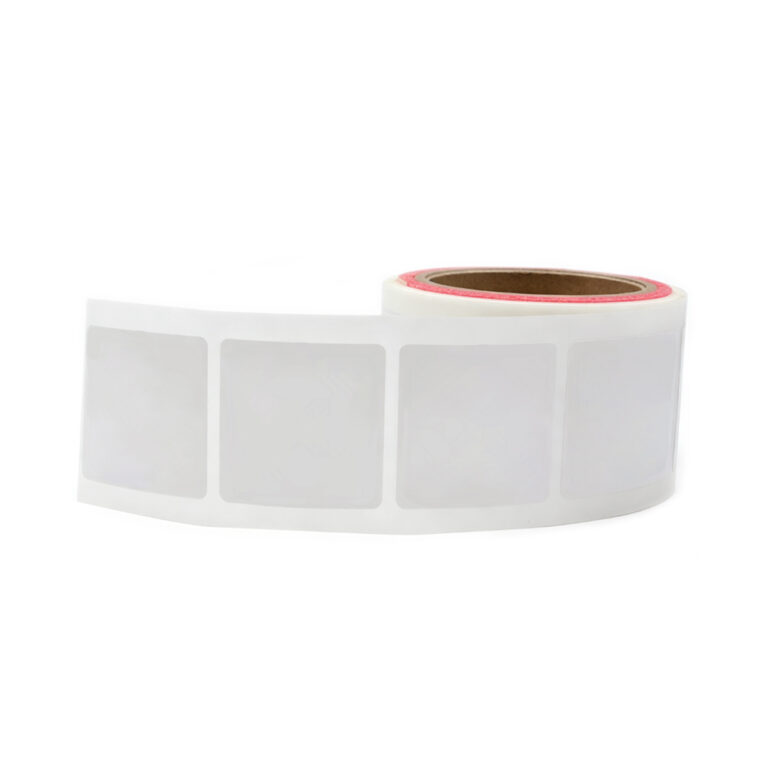
How active long-range tags actually work
Active tags contain a battery and an RF transmitter. They emit periodic beacons or respond to a reader’s wake-up pulse, so a reader can detect them from much farther away than a passive tag. That battery life, transmit interval, and radio power determine range and maintenance cadence. Expect trade-offs: longer range or faster reporting means shorter battery life.
Buyer-focused criteria: what to check first
Decide on measurable outcomes: required read distance, expected tag lifetime, environment (metal, water, temperature extremes), and update frequency. Ask for real read-test data in your environment, not just lab specs. Check certificate compliance for local frequencies and confirm IP ratings for outdoor use. Insist on clear battery-replacement or disposal procedures—those costs matter over five years.
Common mistakes buyers make
Choosing tags by price alone. Ignoring antenna placement and reader density. Assuming a stated “max range” holds in cluttered, metallic yards. Opting for the highest transmit power without testing battery life impact. Deploying without a maintenance plan for battery swaps and firmware updates. Each of these turns a promising pilot into regular downtime.
Use cases that actually benefit from long-range active tags
Asset tracking across rail yards where passive reads fail, live tracking of high-value containers through storm-exposed yards, monitoring trailers entering and leaving distribution hubs, and locating buried or insulated equipment indoors when GPS is blocked. If you need continuous telemetry (temperature, shock) alongside location, active tags can carry sensors and loggers; confirm data sampling and offload methods before purchase.
Real-world proof and authoritative context
Retail-scale rollouts have driven UHF adoption for decades; a notable example is Walmart’s supplier RFID initiatives, which pushed large-scale use of passive UHF systems across supply chains and helped standardize expectations for tag performance—this history shapes how buyers evaluate long-range options. For projects that combine passive and active approaches, review field case studies and seek certified performance tests; it’s common to compare passive UHF performance against active systems under identical site conditions. For detailed hardware options and specifications, vendors list models as uhf passive rfid tags that you might want to benchmark alongside active devices.
Alternatives and hybrid strategies
Passive UHF tags give low-cost, maintenance-free reads at shorter distances and high tag density. Bluetooth Low Energy (BLE) beacons offer a middle ground for building-level tracking with smartphone ecosystems. Some deployments use active tags for coarse long-range detection and passive tags for dense inventory verification—combine readers and software that support both to reduce blind spots.
Questions to ask suppliers and test plans to require
Request: (1) site-specific read test reports, (2) battery life at your chosen reporting interval, (3) firmware update mechanisms, (4) environmental ratings, and (5) spare-part and end-of-life plans. Field-test with your antennas, in your environment, over several weeks. Validate tag IDs, collision handling under heavy traffic, and how alerts are delivered to your operations team.
How to avoid procurement traps
Don’t accept generic range claims without on-site verification. Avoid one-off pilots that don’t scale the reader network. Price out total cost of ownership, including batteries, mounting hardware, and reader infrastructure. Standardize on tag formats and frequencies to reduce integration headaches later.
Final perspective
Choose long-range active RFID tags when you need reliable detection beyond passive reach and when periodic maintenance fits your operations. Balance range, reporting cadence, and lifecycle costs. Test in situ, require transparent specs, and compare active options with passive UHF and BLE hybrids to match performance to need. For practical sourcing and documented product lines that match operational checklists, consider vendors that publish test data and support mixed deployments like RSTC.