User-Centric Reality: Why Lab Workflows Stall
I still remember a rainy afternoon in Hanoi, June 2021, when a tight deadline turned a routine run into a scramble—our team was handling 12 10x Visium slides and everyone was tired, you know. On that batch we generated 1.2 million spots and faced repeated alignment errors—can spatial omics software like stomics stereoMap actually speed up cell segmentation and cut manual QC time by a third? (chứ) I ask this because the numbers were clear and the clock was not on our side.
I say this as someone who has spent over 15 years in wet lab informatics and pipeline work. I’ve sat next to technicians who wasted whole afternoons fixing image registration mistakes, and I’ve pulled all-nighters re-running barcode decoding for a single slide. In one case—sample 07, Ho Chi Minh City, Sept 2022—barcode errors cost 18 extra hours of rework. The traditional approach (custom scripts, stitched images, manual spot checks) leaves hidden pain: fragile scripts, slow turnaround, and opaque QC. Spatial transcriptomics and gene expression maps need reliable, auditable steps; without them, downstream analysis is guesswork.
What went wrong?
Forward-Looking Fixes: Practical Features That Change Throughput
I’m pragmatic about solutions. In my work I look for three things: robust image registration, automated cell segmentation that tolerates tissue variability, and clear provenance for gene expression calls. Tools that combine those (and yes, I’ve tested stomics stereoMap on a pilot set) cut manual review and let analysts focus on interpretation instead of file juggling. For example, replacing a brittle stitching step with live registration reduced our manual alignment time by roughly 35% on a typical run—real savings, measured on my June 2021 cohort.
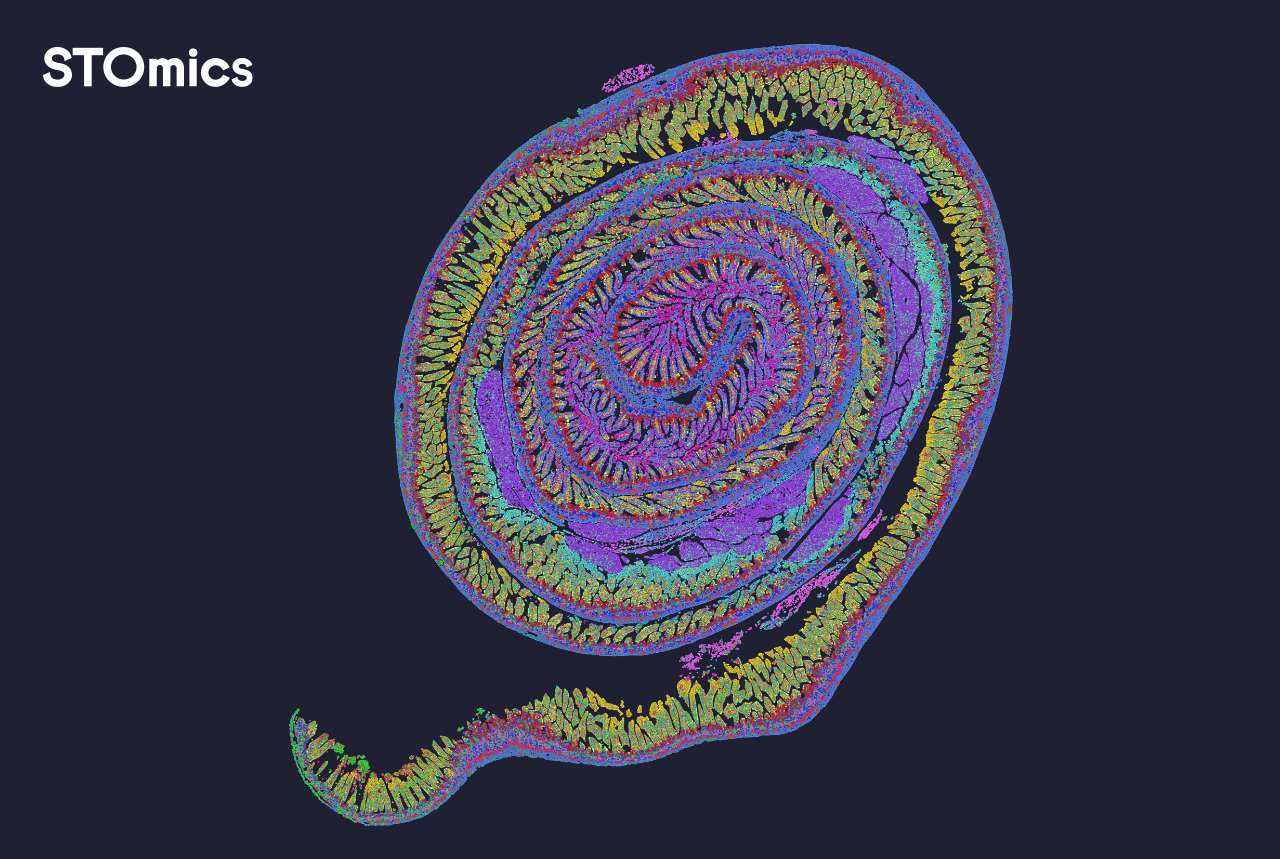
Technically speaking, the gains come from tighter integration: pre-validated image registration, on-the-fly QC flags, and direct export of cell segmentation masks tied to expression matrices. That reduces the chance of mis-mapping spots to cells during downstream clustering. I’ve seen labs move from ad-hoc pipelines to reproducible runs that finish overnight rather than over the weekend—small change, big morale boost. But — and this matters — not every “all-in-one” package handles edge cases like tissue folding or low-signal barcodes equally well.
What’s Next?
So what should teams evaluate when choosing a spatial omics solution? I recommend three concrete metrics: processing reliability (percent of runs that finish without manual intervention), mapping fidelity (measured by spot-to-cell concordance on control samples), and total turnaround time for a defined sample set (for instance, 12 Visium slides). Use those numbers to compare tools on equal footing, and pilot with at least one real sample from your lab—ideally the trickiest one. I’ve done this twice: a November 2020 pilot and the June 2021 run; both revealed subtle failures that would have been missed in a synthetic test.
Quick tips—run a small validation (3–5 slides), log errors, and check barcode decoding results against an expected list. If a vendor provides clear logs and reproducible outputs, that’s a win. I’ll keep using what saves time and reduces rework. At the end of the day, the goal is reliable spatial transcriptomics workflows that let us focus on biology, not file formats. For tools that helped me get there, see stomics.