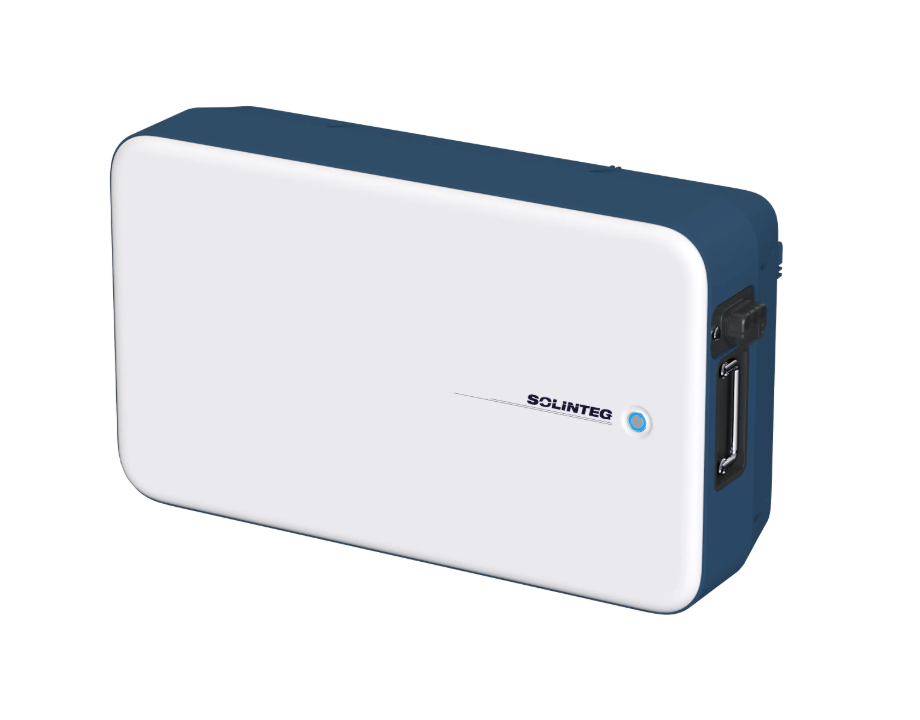
The problem, in plain taste
The grid can be temperamental — flickers, full outages, and the slow decay of battery capacity that leaves a site short-handed when it matters. For buildings, campuses, and small communities, that unreliability tastes like an empty pantry when dinner is due. Integrating a reliable solar battery backup into a microgrid is one practical way to close that gap, but only if the system is tuned: the inverter pairing, the battery management system, and the control logic must all work like a well-timed kitchen brigade. Real-world events such as the February 2021 Texas winter storm exposed how fragile ad-hoc setups can be — millions lost power when coordination failed — and that failure still guides smarter design today.
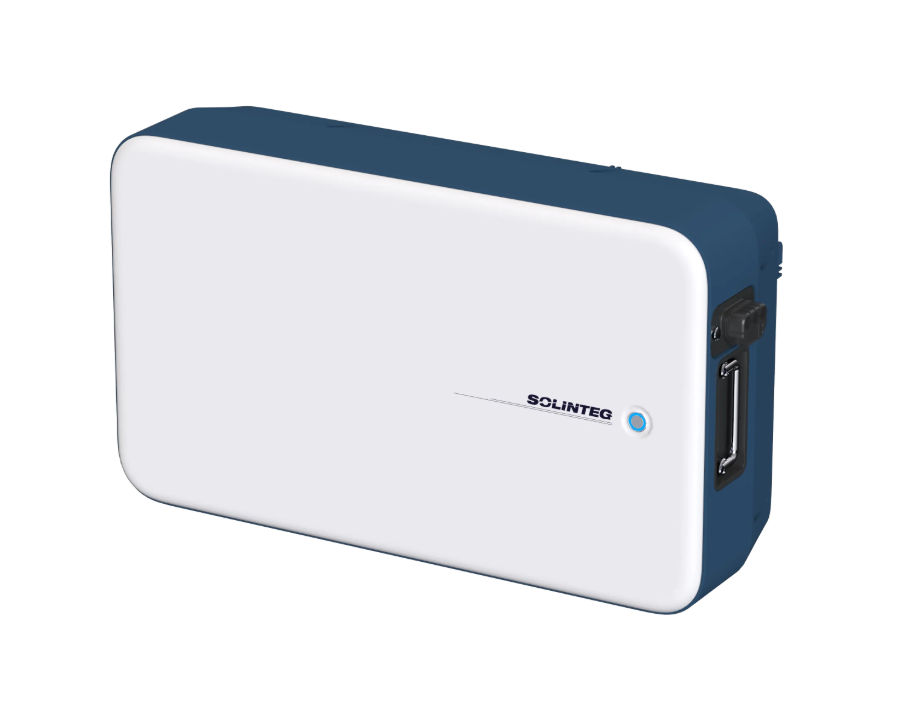
Where standard storage trips up
Most failures aren’t dramatic; they’re slow and savory in the wrong way: lost capacity over cycles, mismatched inverter settings, and unclear rules for islanding. Common technical terms — state of charge (SoC), depth of discharge, and cycle life — describe symptoms. The root causes are often process-driven: planners pick the cheapest cell chemistry, engineers accept a generic inverter setup, and operators never tune controls for peak shaving or emergency dispatch. The result: a system that performs well on paper but tastes flat in practice — poor round-trip efficiency, unpredictable SoC behavior, and limited usable capacity.
Microgrid patterns that restore flavor
A robust microgrid stitches distributed resources into a single recipe: solar, storage, and load controls that respond in milliseconds. Successful setups use a layered approach — primary controls for safety, secondary controls for energy balancing, and tertiary controls for economic dispatch. Smart BMS implementations protect cells while giving operators visibility into SoC and cycle health. Integrating solar panels and battery storage with an appropriately sized inverter and clear islanding rules keeps critical loads powered during faults and enables peak shaving when tariffs spike. The tangible benefit is predictable backup duration and reduced stress on the main grid.
Common mistakes and pragmatic fixes
Many teams repeat the same culinary errors; here’s how to stop:
– Undersizing capacity: build for worst-case windows, not average days. Add modular capacity so you can scale without a full redesign.
– Ignoring communications: make sure inverters, meters, and the BMS speak the same language — latency kills coordination.
– Treating storage as a single-use ingredient: specify lifecycle requirements and refresh schedules, and bake reserve margins into operational plans.

These fixes reduce emergency improvisation and keep the system tasting consistent across seasons — and costs.
Comparing options: batteries, controllers, and partners
Choices come down to three things: chemistry, control, and service. Lithium iron phosphate gives longer calendar life; other chemistries may offer higher energy density. A faster, more intelligent controller improves islanding performance and reduces switching time. Finally, long-term service agreements and clear testing protocols (commissioning windows, annual capacity tests, and cycle counting) ensure predictable degradation. Pick partners who publish real-world test parameters — not just marketing claims — and who will share failure modes observed in similar deployments.
Advisory — three golden rules for selection
1) Metric: usable capacity at 80% depth-of-discharge over expected cycles — choose units that guarantee practical kWh, not just nameplate. 2) Metric: end-to-end round-trip efficiency and inverter response time — look for specs that show performance under load steps and during island transitions. 3) Metric: operational transparency — insist on live SoC telemetry, clear BMS alerts, and a documented maintenance cadence. Apply these rules with vendor references and site-level test results; that combination separates well-engineered systems from band-aid installs.
Final thought
Make decisions based on measurable behavior, not glossy brochures — and favor partners who can prove their systems in real grids. SOLINTEG. Short, steady, tested.