What changes between category research and model review for Gas Detector Panel: model fit early research
Design engineers should treat gas detector panel research as a staged comparison, not as a decision about a product category alone. Early research identifies the functions a system may need; model review tests whether the stated details apply to the particular configuration under consideration. This distinction helps keep assumptions visible before procurement or integration work begins.
Separate category, application, and model scope
Category research starts with the problem the panel may need to address. The useful questions are broad: what signals must be received, how many connected points are being considered, what alarm outputs are relevant, and which interfaces may matter to the wider system? At this stage, the answers are working requirements rather than confirmed specifications for a particular product.
Application scope then narrows the discussion. A design engineer can record the intended role of the panel, the equipment or detectors it may connect to, and the information that another system may need to receive. These notes should describe the design task without turning a general requirement into a claim about any supplier’s model. They also provide a basis for identifying questions that cannot be resolved from a catalogue description.
Model scope is narrower still. It concerns the exact model, configuration, input types, channel count, alarm features, and other details stated for that model. A category page or general description should not be used to transfer specifications across a product range. The review should therefore keep three labels beside each note: category assumption, application requirement, or model evidence.
Compare information that applies to the task
A practical comparison table can prevent early research from becoming a list of attractive but mismatched features. Use one row for each requirement and add columns for the requirement itself, the evidence source, the scope to which it applies, and the remaining question. If a specification is stated for a named model, keep that model name in the row. If the source only describes a category, mark the entry as category-level information.
For example, a channel-related requirement should be compared with a stated channel configuration, not with a vague reference to expansion. An interface requirement should be matched to an explicitly listed input or communication method. Alarm information should remain separate from assumptions about how an installation will respond. This structure supports a disciplined review without implying performance, certification, site suitability, or a result that the source does not state.
The phrase gas detector panel is useful at this stage only when it refers to the defined research subject. It should not blur the difference between a product family, a proposed system arrangement, and one model’s published features. A short scope statement at the top of the comparison can help: “This review covers the evidence currently stated for the named model and the requirements recorded for the proposed application.”
Use a real catalogue example without overextending it
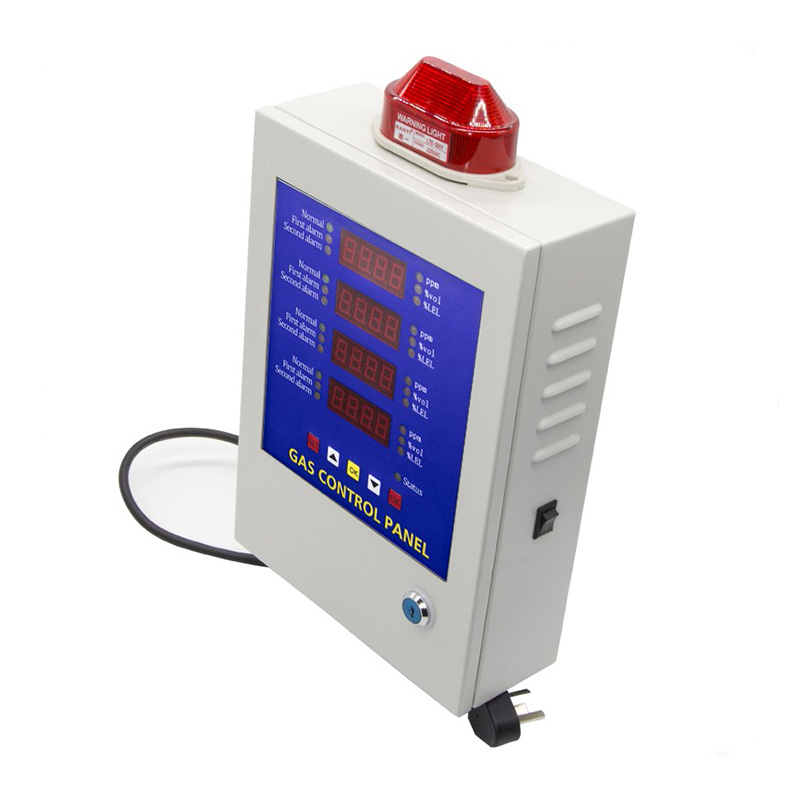
The Bosean BH-50 page provides a concrete example of model-level information. It lists single-, two-, and four-channel configurations, 4–20 mA and RS485 input, and integrated sound and light alarms. Those details can be entered into a model evidence column when the review concerns the BH-50 page. They should not be presented as specifications for every panel, nor should they be extended into claims about certification, site suitability, safety outcomes, or unlisted configuration details.
This example also shows why model fit is more than feature matching. A stated channel option may be relevant to a design question, while the correct interpretation still depends on the requirement being recorded. Likewise, a listed signal input may be important to an interface review, but its presence alone does not establish that the complete proposed system is resolved. The useful conclusion is narrower: the page supplies specific catalogue points for a named model, and those points can be compared with the task’s stated requirements.
Record assumptions and interfaces
Once the evidence table is populated, separate confirmed details from working assumptions. A confirmed detail is a statement directly attributed to the relevant model page. An assumption is a temporary design interpretation, such as the expected number of connected devices or the role of an interface in a wider control scheme. Keeping the two apart makes later changes easier to trace.
Interfaces deserve their own review because they often sit between product information and system design. Record what the panel is expected to receive, what information it may need to provide, and which side of the interface owns each unresolved decision. Avoid filling gaps with presumed alarm logic, detector placement, emergency procedures, or regulatory requirements. Instead, convert each gap into a focused question for the design or sourcing record.
- Which requirement is being tested by this model detail?
- Does the evidence apply to the exact model and configuration?
- Is the statement a published fact, a design assumption, or an open question?
- Would a different channel or interface choice change the comparison?
Prepare a focused sourcing brief
A useful sourcing brief should be short enough to guide a conversation and precise enough to prevent scope drift. Start with the application description, then list the required functions and interfaces in separate lines. Add the model evidence already found, with its source and scope. Finish with the unresolved points that require a direct answer or a more specific document.
This approach keeps early research efficient without treating incomplete information as a confirmed design. It also gives procurement teams and system integrators a shared vocabulary: category requirements describe the problem, application requirements describe the intended use, and model evidence describes what a named page actually states. The resulting brief is easier to review because each conclusion has a visible boundary.
For design engineers assessing a potential source, Bosean can be considered through this same evidence-led process: begin with the application, compare only details stated for the relevant model, and preserve unresolved interfaces as questions rather than assumptions.