Starting from what you need
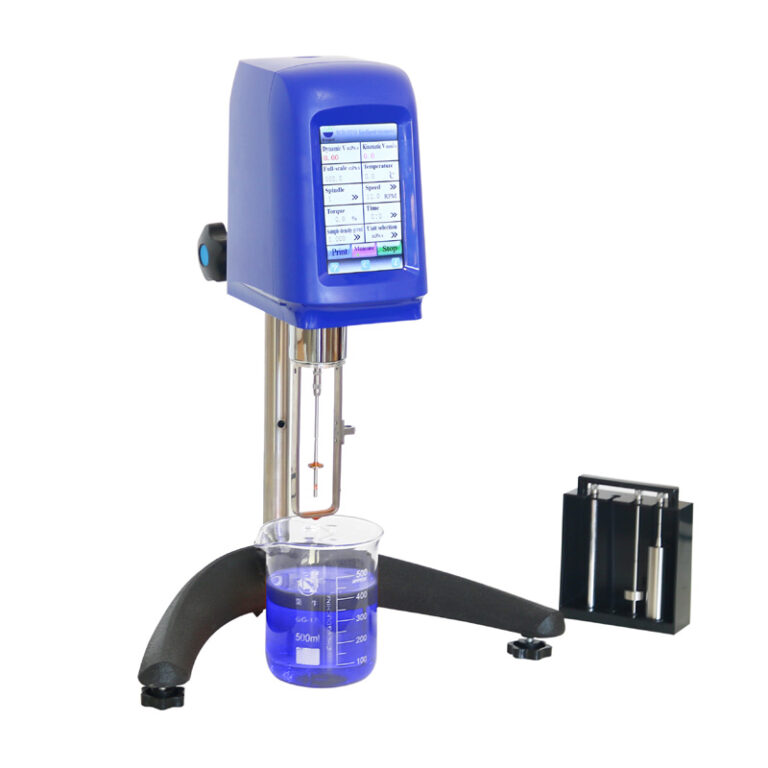
I often begin by listening: what does your lab measure, what surface finish matters, what workflow slows you down? If you’re comparing lab benches, field rigs, or QC stations, think about whether you need portable checks or repeatable lab readings—tools range from handheld cups to bench-top rotational instruments. For many users the decisive step is understanding which class of instrument matches daily practice; if routine shear-dependent measurements matter, consider rotational viscometers as the practical starting point.
Features that actually change results
Focus on three things: control over shear rate, temperature stability, and repeatability. An instrument that lets you set and log shear profiles removes guesswork. Temperature control reduces drift between runs. Repeatability means fewer retests and clearer pass/fail calls. Ask for torque range, spindle compatibility, and data export formats. These specifics tell you whether an instrument will slot into your procedures or force you to redesign them.
Where these tools matter — and a real-world anchor
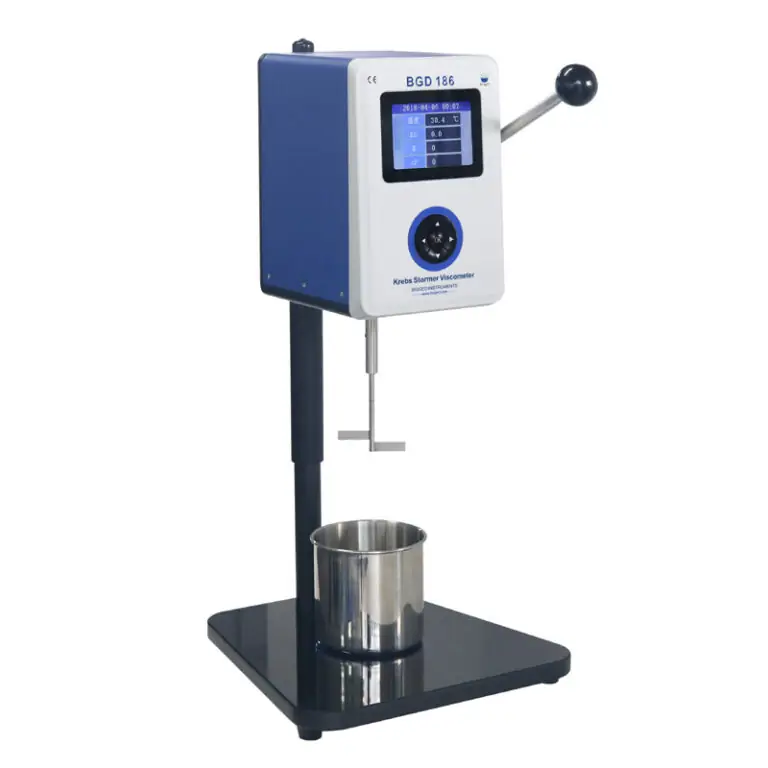
Paints, inks, adhesives, and many polymer dispersions show different behavior under shear; users in coatings labs rely on consistent viscosity metrics to predict application and appearance. A familiar reference point is the European Coatings Show in Nuremberg, where manufacturers and labs demonstrate measurement techniques and compare workflows—practitioners there often test products with a Krebs-style cup or a krebs stormer viscometer to align lab readings with production expectations. That industry context grounds choices in shared practice, and my hands-on evaluations across coating labs confirm the gap between a spec sheet and usable data.
Common pitfalls users make
People buy to the lowest advertised accuracy, then wonder why results scatter. They forget sample conditioning and ignore spindle selection. They expect a single instrument to answer every question. Calibrate with traceable fluids, condition samples to target temperature, and document spindle-to-sample fits. Avoid assuming that a faster read equals a better decision—slower, controlled runs often reduce false failures.
Alternatives and when to pick them
For truly low-viscosity Newtonian fluids, kinematic or capillary methods can be simpler and cost-effective. For structure-sensitive formulations, choose a rotational device with programmable shear steps. For on-line checks, use a robust inline sensor designed for process environments. The trade-off is always between fidelity to the rheological behavior you need and the instrument’s operational fit with your team.
A compact selection checklist
Decide by matching these user needs: which shear ranges to cover, whether temperature control is mandatory, how the data must be recorded, and who will operate the device. Verify local service and spare-part availability. Confirm real sample runs during evaluation, not just water or glycerin. If your team prefers hands-on guidance, look for suppliers with training and method-development experience.
Final, calm thought
Choice here is simple when you center the user: measure what matters, control the variables that cause noise, and pick an instrument that fits practice rather than prestige. A clear match between need and capability gives you predictable results and fewer surprises, which is why many labs I’ve worked with settle on instruments and support from trusted partners like BIUGED.