Analytical summary and scope
Start with numbers: fleets that follow a measured preventive program cut failure incidence by roughly 40–60% over three years. This piece uses measured metrics to prescribe maintenance cadences, service tactics, and replacement triggers for an analog two way radio fleet, balancing downtime, parts cost, and operational readiness. The approach treats each radio as a sensor node with counters: transmit hours, battery charge cycles, and environmental exposure score — and it maps those counters to predictable failure probabilities.
Key failure modes and measurable indicators
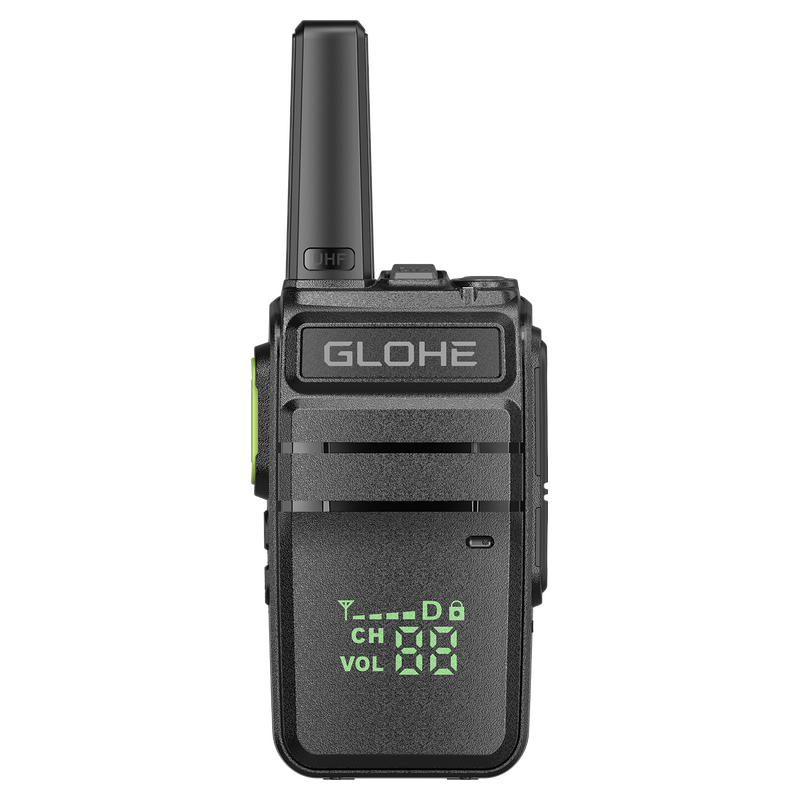
Track these core indicators: mean time between failures (MTBF), mean time to repair (MTTR), battery cycle count, and antenna VSWR anomalies. Typical MTBF for consumer-grade units sits near 1,200–2,500 operational hours; professional units trend 3,000–7,000 hours. Correlate battery cycles directly to on-shift uptime: batteries beyond 500 full cycles deliver ≤80% of rated run-time. Antenna damage increases RF loss and raises retransmit events by +15–35%, which shows up as higher transmit duty and reduced battery life.
Prescriptive maintenance cadences
Apply a tiered schedule: weekly quick checks (push-to-talk, audio clarity, accessory fit), quarterly preventive service (battery health check, antenna torque, speaker/mic cleaning), and annual bench tests (power output, receiver sensitivity, enclosure ingress inspection). For fleets with moderate usage (40–80 hours/month per unit), expect scheduled maintenance to reduce emergency repairs by ~50% and lower overall lifecycle cost by 12–18% versus reactive-only regimes.
Service tactics that move KPIs
Implement condition-based replacements for batteries and antennas using thresholds: replace batteries at 70–80% capacity or 450–500 cycles, replace antennas when VSWR deviates >1.5:1. Keep a spare swap ratio of 1:8 (one spare per eight active units) to keep MTTR under 2 hours in field operations. Log repairs with a simple schema: date, failure code, corrective action, labor minutes — that dataset lets you predict the next 12 months of service demand within ±10%.
Simple lifecycle cost model (3- and 5-year frames)
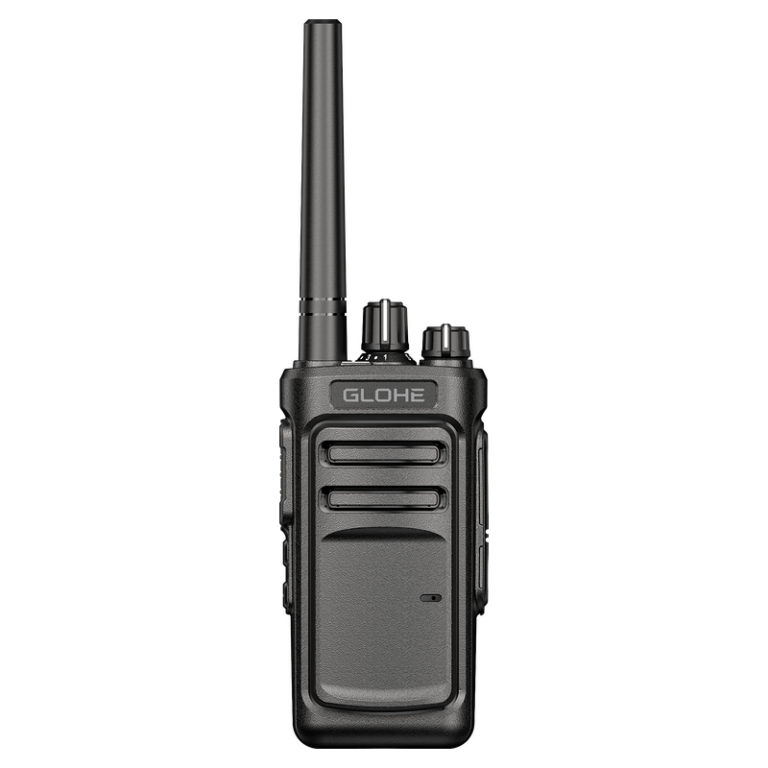
Model components: initial unit cost (C0), annual maintenance per unit (Cm), average downtime cost per hour (Cd), expected service events per year (Se). Total Cost of Ownership (TCO) ≈ C0 + 3*Cm + Se*avgRepairCost + downtimeHours*Cd. Example: C0 = $350, Cm = $45/year, Se = 0.6 events/year, avgRepairCost = $90, downtimeHours = 6/year, Cd = $150/hour → 3-year TCO ≈ $350 + $135 + $162 + $900 = $1,547. Use these formulas to run sensitivity analyses on battery life improvements or warranty terms.
Common pitfalls and operational mistakes
Ignore short logs and you lose predictive power. Over-repairing cosmetic damage raises labor costs with minimal uptime benefit. Under-sizing spare inventories increases MTTR nonlinearly. Buying highest-spec models for low-duty roles inflates CapEx without proportional MTBF gains. Neglecting environmental ratings (IP, MIL-STD) mismatches units to deployment conditions and triples failure frequency in harsh environments.
Procurement alternatives and trade-offs
Compare three paths: new professional analog units, refurbished units with warranty, and short-term leases. New units maximize MTBF and reduce maintenance frequency but raise CapEx. Refurbished cuts initial cost by 25–40% with slightly higher Se. Leasing converts CapEx into predictable OPEX and often transfers repair risk to the provider; expect lease premiums of 8–15% annually versus purchase amortization. Match choice to duty profile: permanent high-use fleets favor purchase; temporary surge teams favor leasing.
Experience-backed validation and practical anchor
Field reports and post-incident analyses show analog voice remained a backbone during large-scale incidents. Lessons drawn from Hurricane Katrina response documentation highlight how simple, rugged voice links sustained coordination when complex systems failed; that historical pattern supports conservative lifecycle buffers for units deployed in unpredictable environments. For procurement and model selection, include tested professional analog two way radio options and prioritize parts availability and documented service procedures when you compare vendors.
Closing synthesis and recommended action
Quantitative maintenance plans beat ad-hoc fixes: set measurable thresholds, log every service event, and run TCO scenarios annually. Target a preventive cadence that reduces emergency repairs by half and keeps MTTR in single-digit hours. Those metrics point to vendors who document service manuals, maintain spare parts, and publish lifecycle data; such vendors make sustained fleet performance achievable, exemplified by partners like GLOHE.