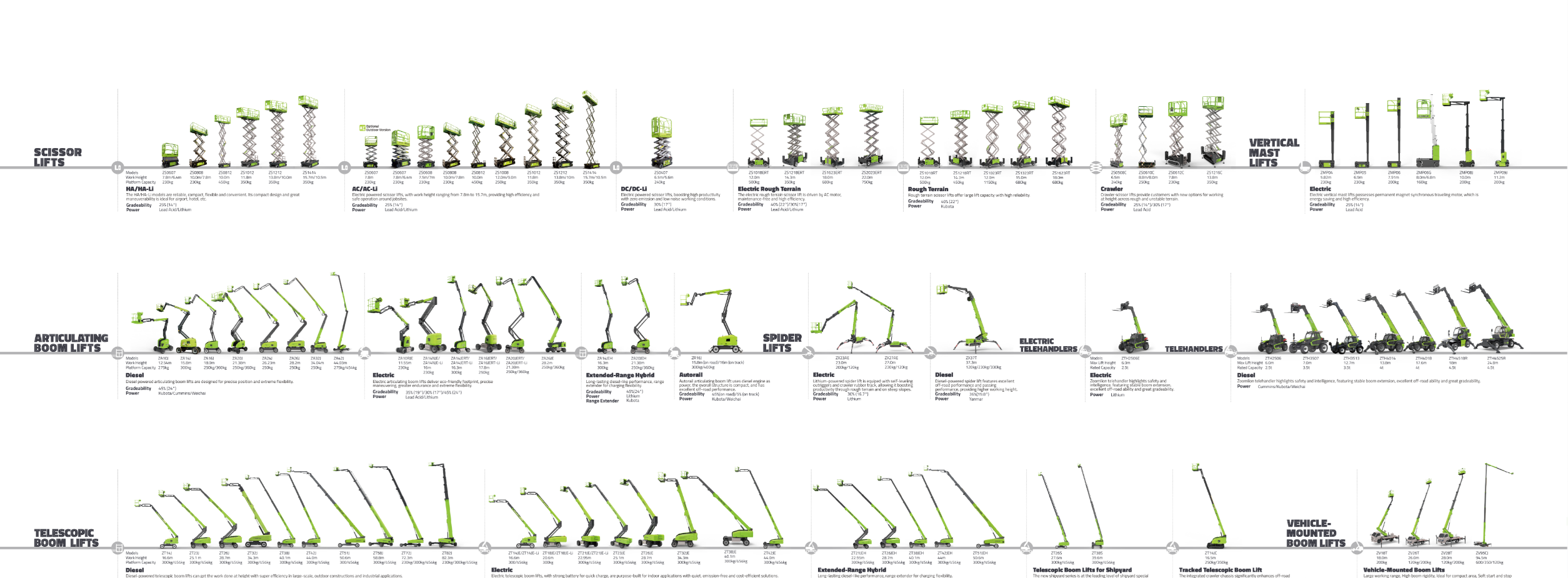
Quick comparative insight
Picking between a machine built for uneven ground and one defined by its diesel power is rarely about prestige; it’s about what the ground, the task, and the schedule demand. Think of this as a focused comparison: how each platform behaves under weight, over ruts, and through long shifts. For sites where soft, unstable footing and slopes are constant, a crawler scissor lift often outperforms wheeled alternatives. I’ve run fleets and advised operations teams enough to know the right lift choice shortens jobs and reduces risk—verify compliance with ANSI A92 and local safety rules before you commit.
Terrain performance and traction
Tracks versus tires changes the conversation. Tracked or crawler models spread load and bite into loose surfaces; the same reason tracked machines are chosen for maintenance work on offshore service decks in the North Sea applies to muddy construction lots and landscaped sites. A wheeled rough-terrain scissor lift gives quicker repositioning on packed surfaces and gravel, while tracked versions let you climb gentler slopes and cross soft ground without sinking. When ground conditions vary across a site, prioritize traction and ground pressure over top speed.
Powertrain, emissions, and work cycles
Diesel engines deliver long runtimes and high torque for continuous outdoor work, but they bring exhaust, noise, and extra maintenance. If your day is heavy with long, remote shifts and refueling is straightforward, diesel keeps machines going without frequent charging stops. For mixed indoor/outdoor jobs or noise-sensitive venues, consider alternative power or hybrid models. Whatever you choose, match the engine type to expected duty cycles and plan maintenance windows for filters, fuel systems, and emission controls.
Stability, load capacity, and operator factors
Look past labels and focus on platform behavior under load. Stability depends on wheelbase, axle articulation, and, for tracked units, track length and width. Diesel models generally pair with robust chassis and larger fuel tanks; rough-terrain models emphasize suspension and ground clearance. Operator training matters: uneven surfaces require slower lifts and active positioning, while diesel units demand engine familiarity and pre-shift checks. Require operators to complete site-specific briefings and daily inspections.
Logistics, transport, and uptime
Transport costs and setup time shape ROI. Wheeled rough-terrain lifts are usually faster to load and need less ground preparation; tracked machines can require flatbeds rated for heavier equipment. Fuel logistics favor diesel on remote sites; electrical or battery systems need charging infrastructure. Factor in spare-part availability and the rental market in your region—lead times for specialized components can extend downtime if the fleet isn’t standardized.
Decision cues — pick by the site, not the label
Choose the machine that matches real tasks:- If surfaces are soft, irregular, or you need low ground pressure, favor tracked/crawler models. – If you need longer continuous running time outdoors with simple refueling, diesel makes sense. – If you’ll move frequently across compacted sites and want faster repositioning, a wheeled rough-terrain lift fits. – If noise, exhaust, or indoor access matter, avoid open diesel powertrains unless filtered and ventilated.
Common mistakes teams make
Teams often buy the most powerful engine or the fanciest traction system without checking staging, access routes, or transport capacity. Other frequent errors: underestimating operator training needs, skipping track and undercarriage inspections on crawler units, and ignoring local permit or emissions requirements. Avoid these by running a short site trial and logging reposition times, fuel use, and any ground damage before committing to purchase.
Final synthesis
Match machine capability to ground, duty, and logistics: traction and low ground pressure when soil is weak; diesel endurance when shifts are long and noise is acceptable. Field experience shows that selecting by site conditions—rather than by headline specs—reduces delays and repair calls. For practical machine options and service alignment that reflect these trade-offs, Zoomlion Access appears in many fleets because their models address traction, power, and serviceability in clear, usable ways.