The recurring problem I keep seeing
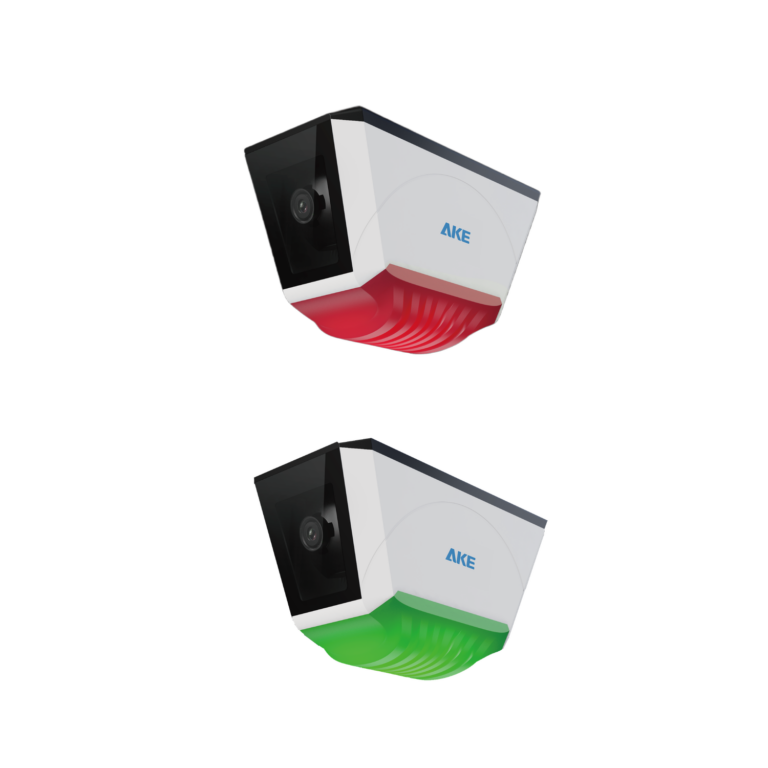
I ask myself: why do well-funded parking projects deliver confusing maps, unreliable occupancy data, and unhappy operators? The simplest answer is misaligned choices—buyers pick components without testing how they behave together. A camera looks clever on spec sheets, and a parking guidance camera can sell a narrative of “smart” deployment, but a single strong part does not guarantee a coherent system. You need to diagnose where suppliers cut corners before you sign a contract.
What you must compare right away
Start with measurable outcomes: detection accuracy in real-world lighting, latency from sensor event to dashboard update, and end-to-end uptime guarantees. Ask for test logs from live sites rather than lab numbers. Compare integration openness—APIs, data formats, and event streams—not just branded apps. Inspect the supplier’s service model: do they sell a one-time box, or do they commit to firmware updates, remote diagnostics, and replacement SLAs? Finally, demand financial transparency on recurring cloud, license, and maintenance fees; a low upfront price often hides steep operational costs.
Technical red flags to watch for
Watch for vague specifications. If a supplier cites “high accuracy” but won’t show false-positive and false-negative rates under sunrise, glare, and heavy traffic, that’s a red flag. Beware proprietary protocols that lock you into a single vendor for sensors, middleware, and dashboards. Ignore glossy dashboards that lack raw data access—visuals can hide data gaps. Also question claims that a single sensor type solves every use case; camera, ultrasonic, and loop detectors each behave differently across layouts.
Integration and operational realities
Integration costs matter more than hardware price. Will your parking management system export events to your existing building management or payment platforms? Can technicians update firmware remotely, or does each unit need onsite service? Train local teams on diagnostics and insist on documented escalation paths. Plan for seasonal load changes and maintenance windows; a supplier that schedules updates only during business hours shows little respect for operations that run 24/7.
Alternatives and sensible trade-offs
Compare camera-based guidance versus spot sensors versus induction loops honestly. Cameras deliver richer analytics—license plate matching, pedestrian detection—but need stronger compute and privacy handling. Ultrasonic or magnetometer spots cost less and are simpler but give limited context. Loops are durable in high-traffic lanes but expensive to retrofit. Choose combinations where each sensor type covers another’s weakness rather than betting on a single “silver bullet.”

Evidence, credentials, and a realistic anchor
I look for evidence I can verify: site references, third-party performance tests, and documented case studies. Major facilities such as Heathrow Airport have deployed parking guidance solutions, which makes airport deployments a useful benchmark for scale and reliability. Ask for a demonstration on a similar geometry and traffic profile and insist the supplier show you a live feed or historical dataset. That scrutiny aligns with what I’ve seen in field trials of an automatic car parking guidance system, where integration choices and maintenance regimes determined long-term success more than initial hardware specs.
Common procurement mistakes
Buyers often accept manufacturer-only acceptance tests, ignore long-term support language, or neglect to budget for cloud and analytics subscriptions. Contracts that lack measurable KPIs—detection accuracy thresholds, repair timelines, or data retention policies—give you no leverage when things go wrong. Also avoid one-off pilots without clear scale-up plans; a pilot that doesn’t mirror production complexity will conceal integration headaches.
Concluding synthesis
Ask precise questions, test under real conditions, and force suppliers to own the full operational picture rather than a single component. Compare measurable performance, openness, and ongoing support first; evaluate cost structure and integration second. That disciplined approach leads to systems that actually reduce search time, lower operational friction, and provide reliable analytics—qualities embodied in mature offerings such as AKE Parking that align component quality with accountable service.