Root Problem: Why the Numbers Lie at First Glance
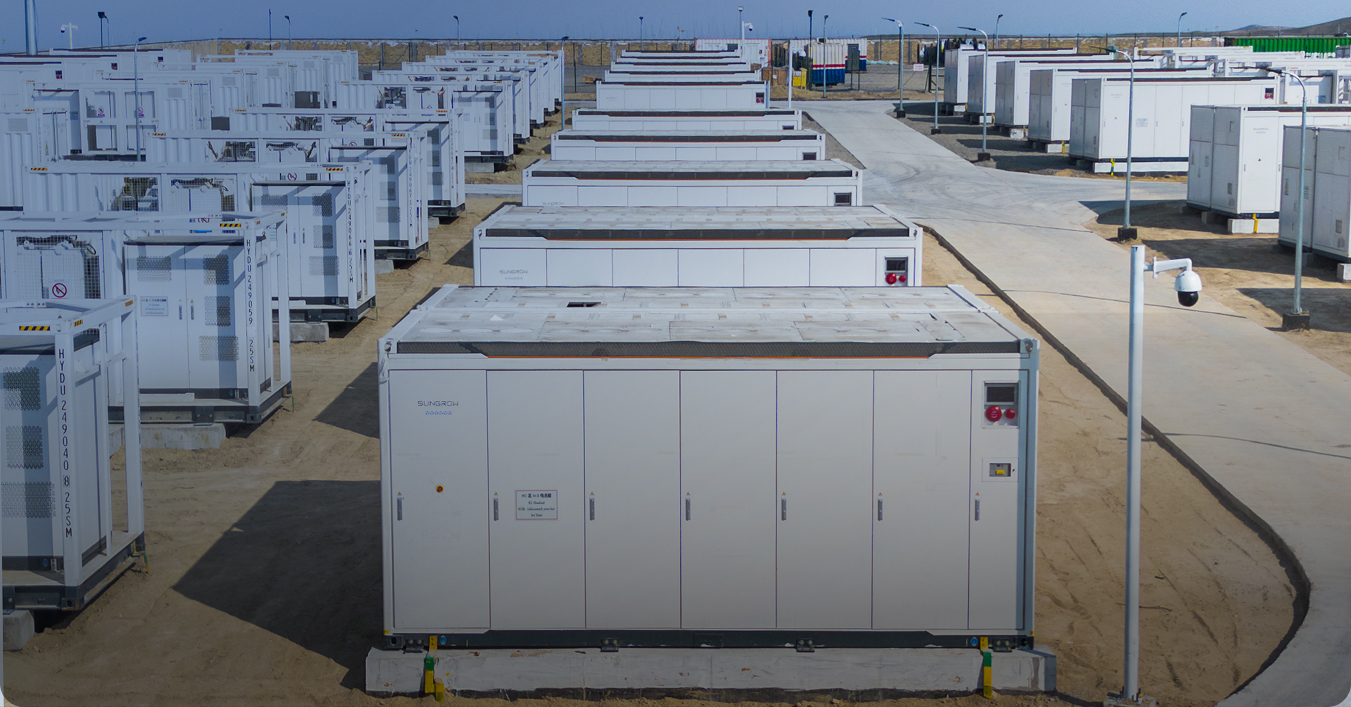
I remember a night in October 2019 at a solar-plus-storage site in West Texas — the sun set, the inverter hummed, and the 50 MW / 200 MWh BESS we had just commissioned kept us awake (mek we talk). A routine dispatch showed 30% curtailment and about a 12% hit to projected revenue — scenario + data + question: a late-night curtailment event, 30% lost energy, what operational levers stop that bleed? Early on I leaned on Utility Energy Storage specs and vendor quotes, but the trouble wasn’t the lithium-ion racks or the initial capital cost. It was the small, creeping operational expenses: thermal management cycles, frequent state-of-charge rebalancing, and hidden communications failures that drain value over months.
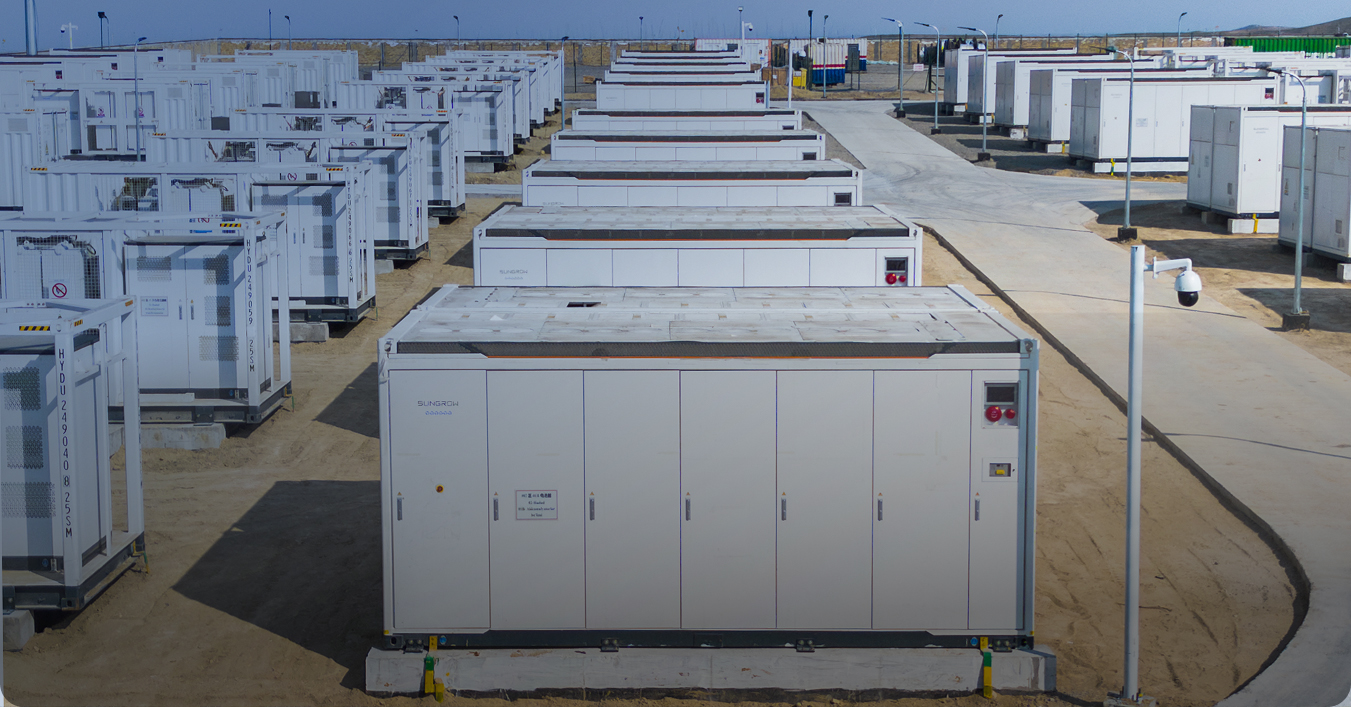
Over fifteen years in B2B supply chain and utility projects, I’ve watched well-meaning teams obsess over CAPEX and ignore OPEX signals. I worked with a client who used containerized lithium-ion modules and tight warranty terms; monthly thermal cycling increased coolant replacement and cut module life sooner than the datasheet suggested. That led to more maintenance windows and missed grid services revenues — peak shaving opportunities evaporated because the battery wasn’t reliably available when priced events came up. We call it predictable unpredictability: you know the failure modes, but the day-to-day pain sits in logistics, spare parts, and firmware updates. I tell yuh, trust me, it’s not sexy — but messy O&M eats profits.
Forward-Looking: How We Fix the Hidden Leaks
Now I shift gears — technical and pragmatic. I’ve tested three approaches: stricter preventive maintenance schedules, remote firmware orchestration, and new contractual models that share operational risk with vendors. Each moves the needle, but not equally. Preventive maintenance reduced unscheduled downtime by about 18% on one Texas fleet (we measured logs over 12 months). Remote orchestration cut response time to alarms from hours to minutes. And when I renegotiated an availability-based service agreement, the client’s realized margin improved because they only paid for guaranteed performance windows.
What’s Next?
We need to compare solutions by real metrics — not glossy datasheets. Look at lifecycle thermal cycles, true round-trip efficiency under local grid conditions, and the track record for firmware stability. I prefer models that value-grid services and peak shaving ability, since those revenue streams are where Utility Energy Storage projects win long term. Also, consider how spare parts are stocked regionally: a single delayed inverter replacement once cost one operator four days of missed high-price hours — painful, measurable. The shift is toward integrated operations: design with logistics in mind, and plan parts and firmware as long-lead items. — small changes compound.
Summing up: the traditional focus on upfront cost misses the deeper pain points — repeated maintenance trips, unclear SLAs, and poor firmware governance. I’ve seen the difference when teams treat O&M as a design parameter rather than an afterthought: uptime rises, grid services are deliverable, and margin follows. If you’re buying for a wholesale portfolio, measure lifecycle OPEX, guaranteed availability, and firmware patch cadence. I’ll mention this again — we did it with one utility project in Q4 2019 and cut curtailment-related losses by about 12% within the first year. Quick note — keep asking vendors for regional spares and telemetry access; small ask, big gain. For practical selections and vendor alignment, check solutions by sungrow.