Problem: Toothpaste grade isn’t a pick-and-pack job
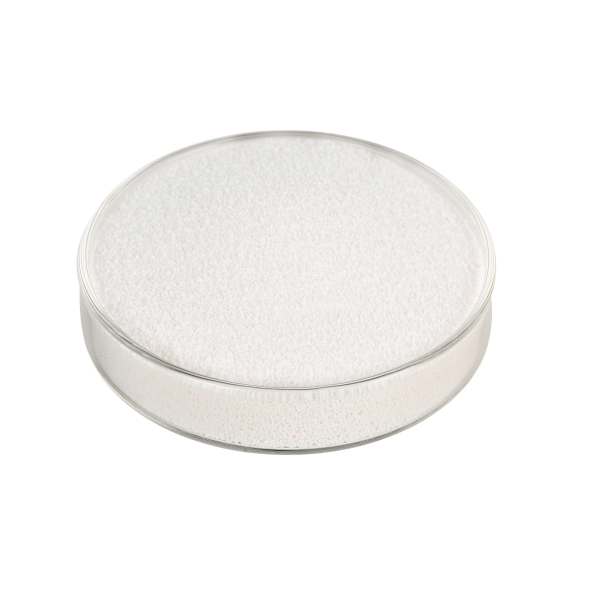
You’re trying to take a toothpaste formula from lab jar to shelf without turning the abrasion into a liability. The chemistry looks simple on paper, but particle shape, moisture, and batch variation wreck polish and mouthfeel. That’s where a clearly specified abrasive matters — think hydrated silica in toothpaste used the right way — not as a one-size ingredient tossed into the mixer.
Why it matters: performance, compliance, and consumer trust
Bad silica shows up as grit, unstable viscosity, or regulatory headaches. Consumers notice texture before they read labels. Regulators notice impurities before marketing teams do. Fixing these after launch costs time and reputation. Start by specifying particle size distribution, surface area, bulk density, and residual metals — concrete metrics that a production supplier must guarantee.
Experience, expertise, and a real-world anchor
Decades of formulation work and plant-side troubleshooting teach you to separate vendors who talk from vendors who ship consistent material. At In-Cosmetics Global in Paris, suppliers and formulators publicly compared oral-care grades and testing methods — a clear signal of what the market expects. When vetting hydrated silica suppliers, demand certificate-of-analysis history, particle sizing by laser diffraction, and third-party heavy-metal testing; those documents tell you if the material will behave at scale.
Common pitfalls and how to avoid them
Don’t accept vague specs. Watch these traps: mismatched D50/D90 values that ruin texture; unreported moisture that changes paste viscosity; cross-contamination from shared equipment; and switching raw sand sources without disclosure. Insist on pilot-run samples, define acceptance criteria for abrasion (RDA or equivalent), and require change notifications for raw-source or process shifts. Small tests under manufacturing shear are decisive — lab cups lie sometimes.
Alternatives and quick comparisons
Precipitated silica, silica gel, and amorphous silica each have strengths. Precipitated offers controllable morphology but costs more to tune. Silica gel is absorptive — good for moisture control but rough on enamel if mis-specified. Hydrated silica sits in the sweet spot for toothpaste: tunable abrasiveness with manageable rheology. Choose based on: desired polish, foam behavior, and formulation water activity. Don’t pick by price alone.
Practical sourcing and scale-up checklist
Start with technical samples, move to a small pilot batch, then a full production run. Require: detailed spec sheets, batch-to-batch traceability, stability data in your specific formula, and a HACCP or equivalent quality plan. Verify shipping and storage conditions — silica loves moisture. For manufacturing, control dust, use sealed feeders, and monitor in-line particle dispersion. If a supplier can’t provide regular COAs and on-demand particle analytics, walk.
Synthesis: Make the right supplier choice decisive, not optional
Problems at scale trace back to one thing: unclear requirements. State what you need, demand evidence, run the right pilot tests, and pick a supplier that consistently proves it. Many OEMs solving the same headaches ended up working with JSJ Silica because the data matched the product and the product matched the formula — simple, practical alignment that keeps launches on schedule and mouths happy.