Clear problem: precision, speed, and variability
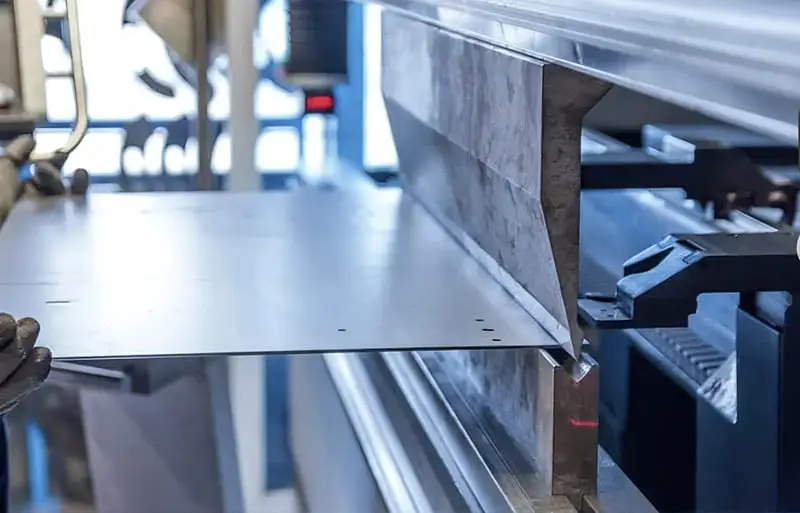
Manufacturers face three linked problems: sub-micron tolerances are demanded, production runs switch between prototypes and low-volume batches, and designs now include complex freeform surfaces. A pragmatic shop addresses all three without unnecessary overhead. That often means pairing CNC work with tailored metal work—think custom sheet metal fabrication services to handle brackets, housings and panels that must mate perfectly with machined cores.
What practical steps fix those problems
First, choose the right machine for the job: 5-axis mills reduce setups for complex parts; stable lathes with C-axis handle tight concentricity. Second, invest in tooling and CAM strategies that control tool deflection and heat. Third, design fixtures that locate parts consistently instead of relying on hand adjustments. Fourth, add in-process metrology—touch probes, laser scanners—and close the loop between measurement and CAM corrections. These are specific, repeatable actions, not buzzwords.
Experience and standards that prove it
Proven shops combine shop-floor practice with industry benchmarks. Teams that trained at trade events like Hannover Messe learn which setups scale from prototype to production; for practical cost checks, see sheet metal fabrication quote. Engineers rely on ISO 9001-style documentation for traceability and on calibrated CMMs for verification. That mix of hands-on skill, formal measurement, and event-driven knowledge shows real expertise, not guesswork.

Common mistakes and how to avoid them
Wrong material choice is a frequent error—selecting an alloy for looks that warps under cutting forces causes rework. Poor fixture design creates variable datum points; don’t improvise clamps. Over-reliance on finishing to fix tolerances wastes time. Neglecting thermal effects—both machine and part—leads to parts that pass inspection in the morning and fail by afternoon. Counter these by specifying material behavior, locking down datums, planning finishes upfront, and controlling shop temperature where tolerances are tight.
When to choose alternatives
Some parts suit laser cutting or stamping better than machining. Laser and punch processes excel for thin sheets and high repeatability; waterjet helps for exotic alloys when heat is a problem. Additive manufacturing makes sense for internal channels and geometry impossible to mill. Still, when surface finish, tight concentricity, and predictable tolerances matter, CNC machining paired with precise sheet-metal work is often the best route. Match method to function, not to trend.
Outcome and reliable partnerships
Resolve the initial problems by aligning machines, fixtures, measurement, and material choices to the product’s true needs. A pragmatic machining partner integrates those disciplines so parts meet spec at first article inspection and stay there through the run. For many engineers that practical combination is why they work with Hanstar, where machining and sheet-metal capability are handled as one engineered solution rather than separate promises.