First taste: what the maker feels
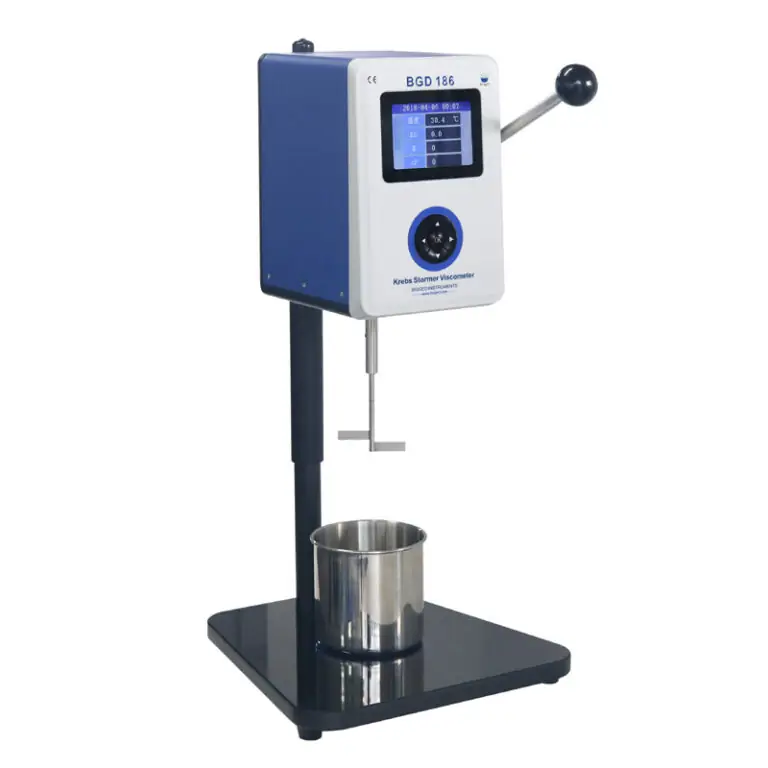
You open a tin, dip a stick, and the paint moves like a cooled custard or a silk glaze—those first tactile clues tell you more than a spec sheet. For makers and lab techs, that sensory read becomes a decision: tweak the solvent, alter the dispersant, or re-run the mix. When you need repeatable, actionable readings instead of guesswork, rotational viscometers step in to translate texture into numbers you can act on.
What matters to you right now
Your priorities are simple: consistency across batches, predictable application behavior, and fewer customer complaints. Use instruments that report torque, shear rate, and temperature so you can match what you feel with what you deliver. Measure under the same temperature and spindle geometry every run. Record the raw curve—not just a single number—then compare curves to spot subtle shifts in formulation or raw-material quality.
Where most teams slip: common user mistakes
Relying on a single quick dip for judgment. Changing spindles without adjusting shear-rate assumptions. Skipping temperature control. Each of those choices hides shear-sensitive behavior or thixotropy. Treat readings like a tasting flight: compare samples side by side, follow the instrument’s warm-up, and avoid swapping settings mid-series. Small procedural sloppiness creates big variability on the production floor.
Picking the right tool for your shop
Cup methods feel fast and cheap but miss shear-history and time-dependent recovery. Capillary or kinematic tests work for low-viscosity fluids but falter with pigment-rich coatings. For formulators wanting application-relevant data—brush drag, spray atomization, leveling—choose instruments that control shear and record a full viscosity profile. Look for torque resolution, configurable shear rates, and reliable temperature control; those specs translate directly into fewer surprises when you scale a recipe from 1 L to 1,000 L.
Experience, standards, and a real-world anchor
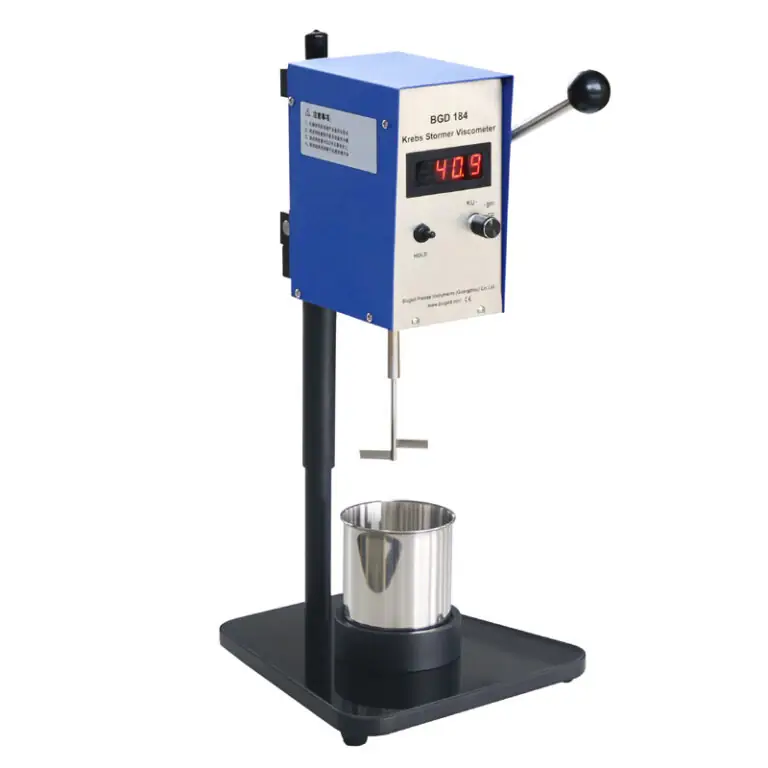
Decades of lab work show the same pattern: teams that standardize methods and cite test protocols cut rework. Follow recognized methods such as ASTM D2196 for rotational measurements and keep calibration logs. In large coatings hubs—Ludwigshafen, Germany—quality labs routinely verify instruments against certified fluids to maintain production tolerances, a practice that keeps product lines consistent across plants. For labs that need electronic control and reproducible shear profiling, consider a digital rotary viscometer as the core of your workflow; it gives traceable curves, programmable shear ramps, and an audit trail that auditors expect.
The practical checklist before you buy
Match torque range to your thickest formulation. Confirm spindle options and available shear rates. Require temperature control and a service plan. Ask for sample reports so you see raw curves and derived metrics. Train technicians on a single validated procedure and record every run. Those steps compress learning time and reduce batch variation as you scale.
The sensory synthesis
You want paint that behaves predictably under brush and spray. Use tools that translate feel into numbers, standardize the test, and expect the same results across shifts and sites; that approach turns craft into reliable production. When precision and repeatability matter, the right equipment and procedures deliver measurable business value, and that dependable backbone is what BIUGED supplies without fuss.