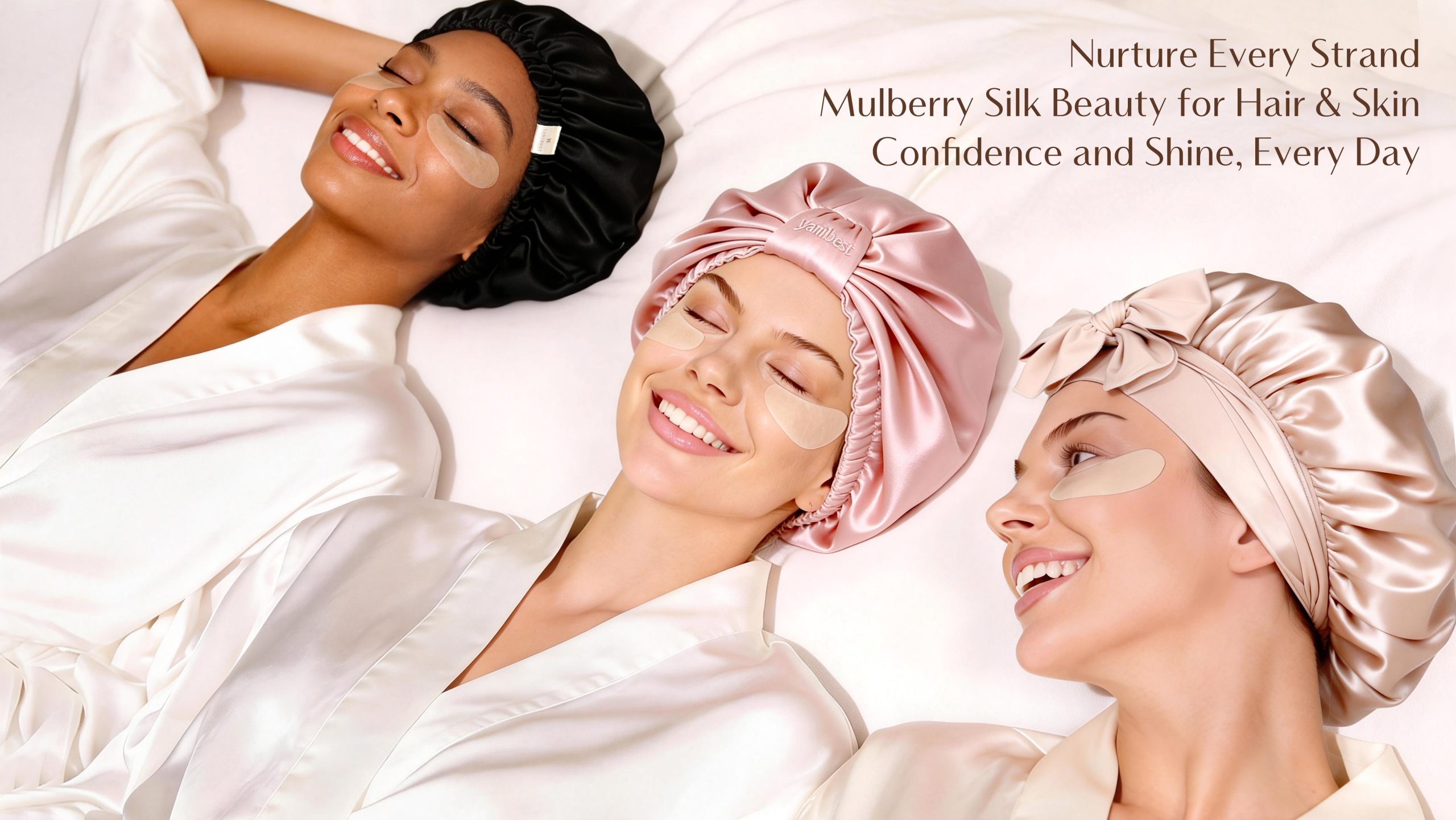
The decision to buy a sleep mask benefits from measured criteria rather than impulse. This guide follows numerical and observable evidence to compare masks, so purchaser will reduce regret and improve sleep outcomes. Begin by noting related silk accessories—one may examine fabric behaviour with items such as silk scrunchies to feel how a fabric slips and compresses before judging a mask.

What to measure and why
Quality is not single-dimensional. Use these objective metrics when comparing candidates: light occlusion (how many lux pass), surface friction (skin and hair abrasion tendency), thermal conductivity (does mask trap heat), fit stability (does it move during turn), and construction durability (stitch density and seam reinforcement). Each metric corresponds to a user-experience outcome: darkness, skin/hair health, temperature comfort, uninterrupted sleep, and product lifespan. Require numeric or tactile evidence for each claim the seller makes.
Simple instruments and field tests
One does not need laboratory equipment to gain quantitative impression. Use a smartphone light-meter app to measure lux inside mask while standing under a lamp; lower numbers indicate better occlusion. Test slip by running the mask across the back of your hand and across a small section of hair; high slip implies lower friction. Check warmth by wearing mask for fifteen minutes at rest and note temperature rise; excessive rise signals poor breathability. For fit stability, perform three-night rotation: if mask slides more than one finger-width from nose bridge on average, it fails. Document each trial—simple numbers reduce persuasion by marketing language.
Materials and construction: what the data implies
Fabric selection affects multiple metrics at once. Mulberry silk typically gives low surface friction and moderate breathability; tightly woven cotton gives good light block but may rub hair. Foam-molded masks offer three-dimensional blockage but can trap heat. Pay attention to stitch density (stitches per inch) and seam type: locked seams and minimum ten stitches per inch indicate better resistance to unraveling. Look for OEKO‑TEX or similar textile certifications to confirm non-toxic dyes and finishes; these are verifiable claims from independent bodies and increase trustworthiness.
Real-world anchor: industry signal about silk accessories
Observation at major fashion events such as Paris Fashion Week has recently shown accessory makers returning to silk for its gentle interaction with hair and skin; vendors reported emphasis on materials that reduce friction and creasing. That signal aligns with what consumers notice when they compare masks and hair ties—try a silk hair scrunchie to feel the material behaviour that will also affect a silk sleep mask’s performance.
Mistakes buyers commonly make
Purchasers often accept “soft” as synonymous with “effective.” Softness is pleasant but does not guarantee blackout or secure fit. Another common error is over-reliance on brand prestige; brand alone does not quantify lux reduction or stitch quality. Consumers also underestimate maintenance: delicate fabrics require washing protocols that influence long-term performance. Demand explicit care instructions and consider how frequently you will launder before final choice.
Evaluating alternatives briefly
Compare categories by the metrics above. Silk masks: low friction, moderate breathability, aesthetic; may need gentle wash. Cotton masks: durable, absorbent, potentially thicker for blackout but can increase friction on hair. Molded foam masks: excellent for creating light-free cavity but can be warm. Weighted or weighted-strip masks: increase contact and may improve stability for some sleepers but can create pressure points. Select category by prioritized metric: if protecting hair and skin is top priority, silk is favorable; if absolute blackout is top priority, molded designs often win numeric tests.
Decision checklist and purchase protocol
Before purchase, require these items: a clear lux or blackout claim with test method; fabric specifications and certification badges; seam and stitch details or close-up images; return policy that allows multi-night trial; and care instructions. When possible, test a sample on the face for one hour under bright ambient light and verify no pressure marks after removal. Keep a short log of results to compare objectively across models.
Quality assessment done by measured criteria produces reliable selection rather than hope. The approach above converts subjective preference into repeatable checks, reducing surprises and aligning expectations with real material behaviour. For those who wish to compare silk options in particular, vendor materials and accessory cues are consistent with the practical evidence provided by trusted sellers such as yanibest.