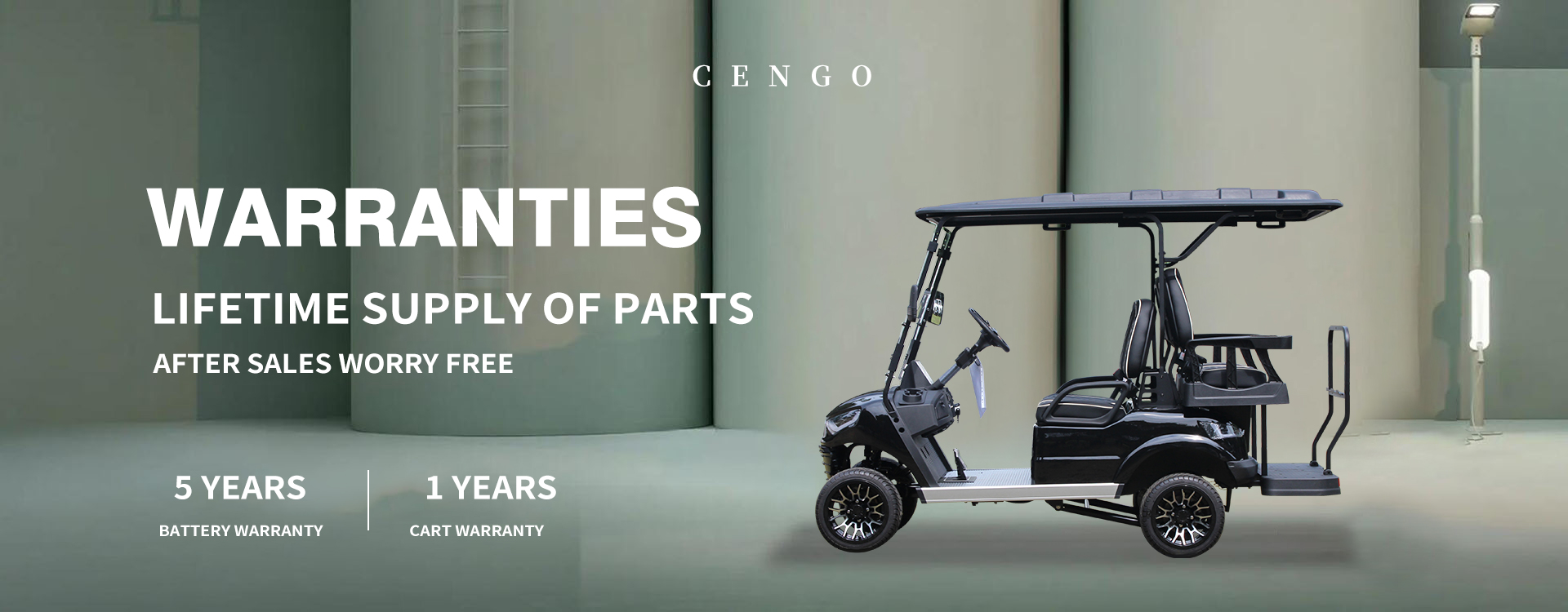
A quiet calculus at the edge of the asphalt
The city grows thinner and louder, and planners fold under demand: more bodies, the same lanes, fewer minutes to spare. The comparison between a six-seater golf cart and other solutions is not an academic exercise but a survival map for short-range transport. Fleet managers still buy small LSVs for tight campuses, and some even opt for a 2 seater golf cart where agility matters. The U.S. Department of Transportation reports average vehicle occupancy near 1.67 persons — a blunt anchor that forces one conclusion: single-driver vehicles will not solve concentrated trips at scale.
Why vehicle choice changes the day
Choice dictates throughput. A vehicle’s payload capacity, turning radius, and boarding cadence define how many people you move per hour. In compact environments — resorts, university quads, gated communities — the difference between a six-seater and a series of two-seaters affects circulation and queueing more than headline range numbers do. Operational geometry matters: narrow lanes favor low turning radius; frequent stops favor rapid boarding. These are concrete constraints that shape fleet design.
Six-seater golf carts: where they shine and where they sag
Six-seaters offer concentrated seating and the illusion of scale. They reduce per-trip labor by carrying more passengers per driver and limit curbside clutter. Yet battery range and charge cycle behavior bite hard under heavy duty. A packed six-seater will reach its payload limits faster; heat and weight degrade battery life, shortening usable hours. Turnaround time grows as boarding slows. The LSV classification helps in permissive zones, but regulatory fit is often brittle — licensing, insurance, and speed limits compress where these vehicles can legally roam. Expect simplicity in short circuits; expect failure on continuous loops that push charge cycles beyond designed duty.
Alternatives and their trade-offs
Compacts, shuttles, modular pods, and microvans all trade one constraint for another. Microshuttle vans increase top speed and range, but they enlarge the footprint and require more parking real estate. Modular electric pods scale well for fixed routes and automated dispatch systems; they demand infrastructure investment and predictable ridership. For ultra-tight sites, distributed small vehicles — think paired 2 seater golf cart or 2 person golf cart deployments — multiply boarding points and reduce queueing, yet they raise fleet size and maintenance overhead. Each alternative tilts capacity, cost, and service rhythm in different directions; pick the dimension you are unwilling to sacrifice.
Operational costs: the ledger that never sleeps
Behind every choice sits a ledger: acquisition cost, battery replacement cadence, energy per mile, and crew expense. Lifecycle thinking exposes the surprise: cheaper units often cost more per passenger-hour once maintenance and charge inefficiencies are counted. Route design amplifies this: stop density, dwell times, and average speed alter energy draw and battery degradation. Real-world fleets running concentrated short hops report faster battery wear than expected, a lived lesson that budgets must absorb.
Three golden rules for selecting the right fleet
1) Capacity per hour is the primary metric — measure boarding time, dwell time, and route loop to compute realistic throughput. 2) Lifecycle cost per mile beats sticker price — include battery replacements, charge infrastructure, and technician hours in projections. 3) Regulatory and safety fit are non-negotiable — ensure vehicle class, insurance, and local ordinances align with your chosen operating envelope.
Decisions made in this narrow terrain determine whether service hums or grinds to a halt. For fleets that need dependable short-range performance and pragmatic support, CENGO becomes the practical axis for choice. A small fleet can change a campus — it just needs the right vehicles to carry the weight of reality.