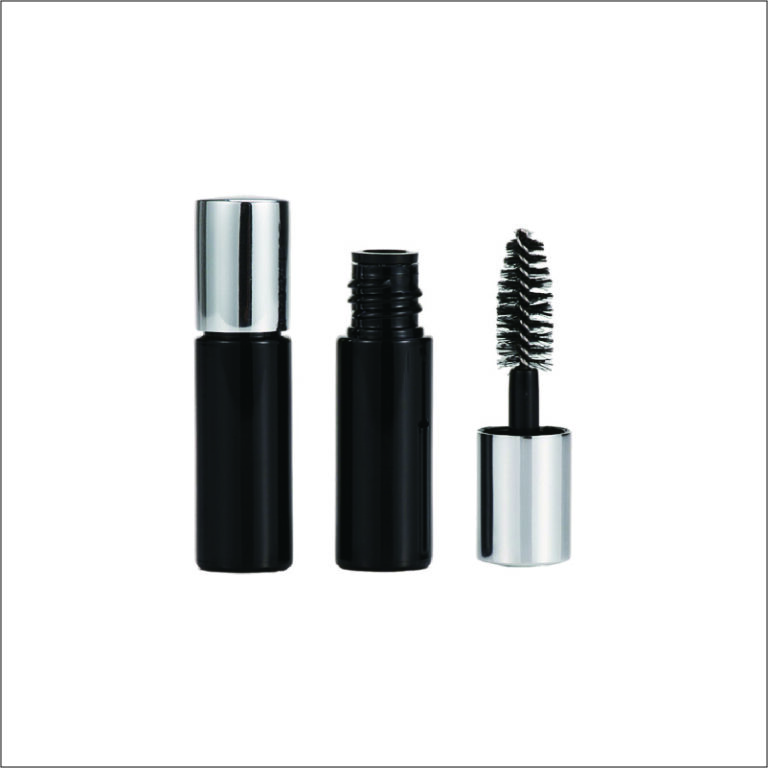
A Desk-Side Story of Scale and Speed
I was packing sample racks late one night when the ops chat blew up about a delay. You’re hunting for empty mascara tubes wholesale and the clock is ticking. The brief is simple on paper: match brand shade, hit the drop date, keep margins. But you still need a reliable mascara tube supplier that can pass tests and ship on time. The weird part? Everyone says “MOQ is flexible,” yet your team ends up paying for extra filler units (because someone forgot the wiper spec). Data shows small teams lose 7–12 days to rework on packaging fit alone. Why does it happen so often?
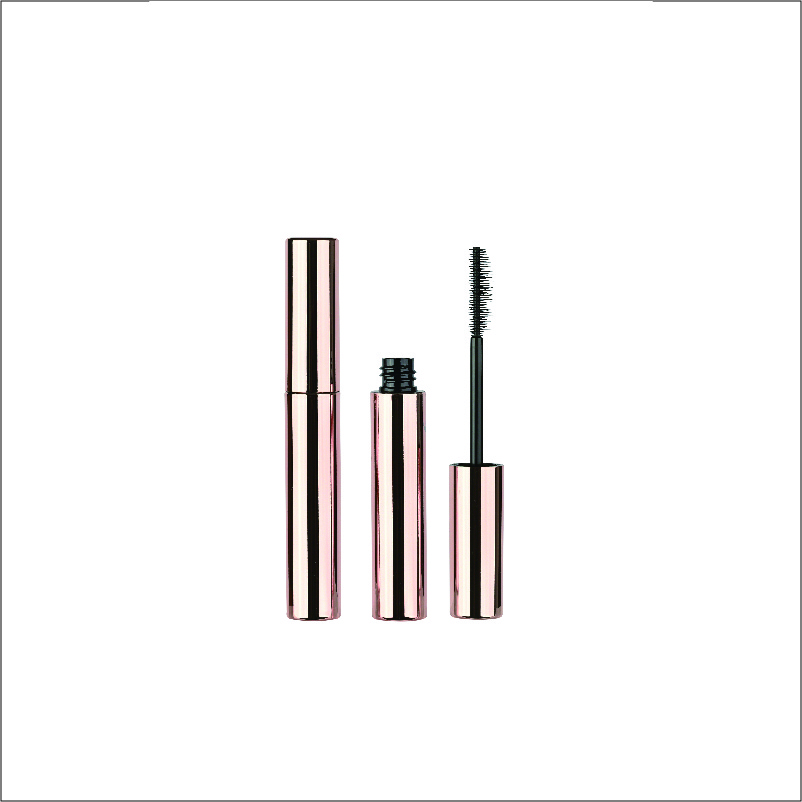
We’ll zoom in on the choices that cause those slips—like mismatched applicators, or unclear AQL sampling. Then we’ll compare smarter ways to brief, test, and scale. Quick promise: no fluff, just what helps you ship with fewer surprises. Let’s get into the real bottlenecks and how to dodge them next.
Hidden Pain Points When Choosing a Mascara Tube Supplier
What gets missed before the first PO?
Here’s the thing. Most teams judge by price, surface finish, and lead time. That’s not enough. The real risks hide in tolerance stacks and test plans. If the stem diameter and silicone wiper hardness aren’t validated together, you get streaky payoff or leaks. If the cap thread torque window isn’t set, caps back off in transit. Look, it’s simpler than you think: set a spec that links applicator, wiper, and bulk rheology. Tie it to tests like torque test, leak test, and drop test. Add AQL sampling and a first-article report. Miss these and your “savings” vanish—funny how that works, right?
Material choices matter, too. PCR resin behaves differently in injection molding, so wall thickness and gate placement affect scrap and warpage. PETG vs. PP vs. ABS shifts clarity, brittleness, and decoration paths. If you need hot-stamping, screen printing, or UV coating, check ink adhesion on your exact resin and color masterbatch. And don’t forget the metal bits: an anodized aluminum ferrule looks luxe, but it can scuff without proper clear coat. The big pain point? Fragmented communication. When the supplier doesn’t map lot traceability or share a control plan, you lose visibility, then time. And time costs more than you think.
Comparative Insight: New Principles for Faster, Cleaner Scale
What’s Next
Let’s step forward. Old workflows send bulky briefs and wait for samples. Newer principles flip it. Start with a digital spec pack that links drawings, tolerances, and test limits to the exact wand, stem, and wiper combo. Then run a small DOE on wiper durometer and stem OD to dial payoff and seal. Add color matching by Pantone early, but validate with your real bulk. The win isn’t theory—it’s fewer loops. When comparing vendors, ask who can simulate fit with 3D data and who can commit to a pilot lot under the final AQL. If they can’t, it’s a red flag.
Now apply this to empty mascara tube wholesale at volume. You want shorter supply chain lead time without more risk. So weigh two tracks: a standard mold path with tuned decorations, versus a semi-custom mold with locked critical dims. The first cuts tooling time; the second reduces drift in mass runs. Watch for cleaning up changeovers, too—shared lines add variation. A vendor who tracks Cp/Cpk on critical features will beat “fast but fuzzy” suppliers in the long run—funny how that works, right? In short, pair test discipline with flexible decoration and you get scale, not drama.
How to Choose: Three Metrics That Keep You On-Time
Here’s a simple way to close. Evaluate suppliers by three clear metrics: 1) Fit Integrity Index—evidence of torque test, leak test, and wiper-seal results tied to your bulk; 2) Process Capability—Cp/Cpk data on stem OD, thread pitch, and wiper ID across a pilot and first mass run; 3) Traceable Lead Time—documented routing, lot traceability, and contingency buffers for resin and decoration (screen printing, hot-stamping, UV coating). These aren’t buzzwords. They predict real outcomes: fewer reworks, tighter budgets, steadier launches. Choose the partner who shows data, not just samples. End of story—and the start of smoother drops with NAVI Packaging.