Plain reckoning
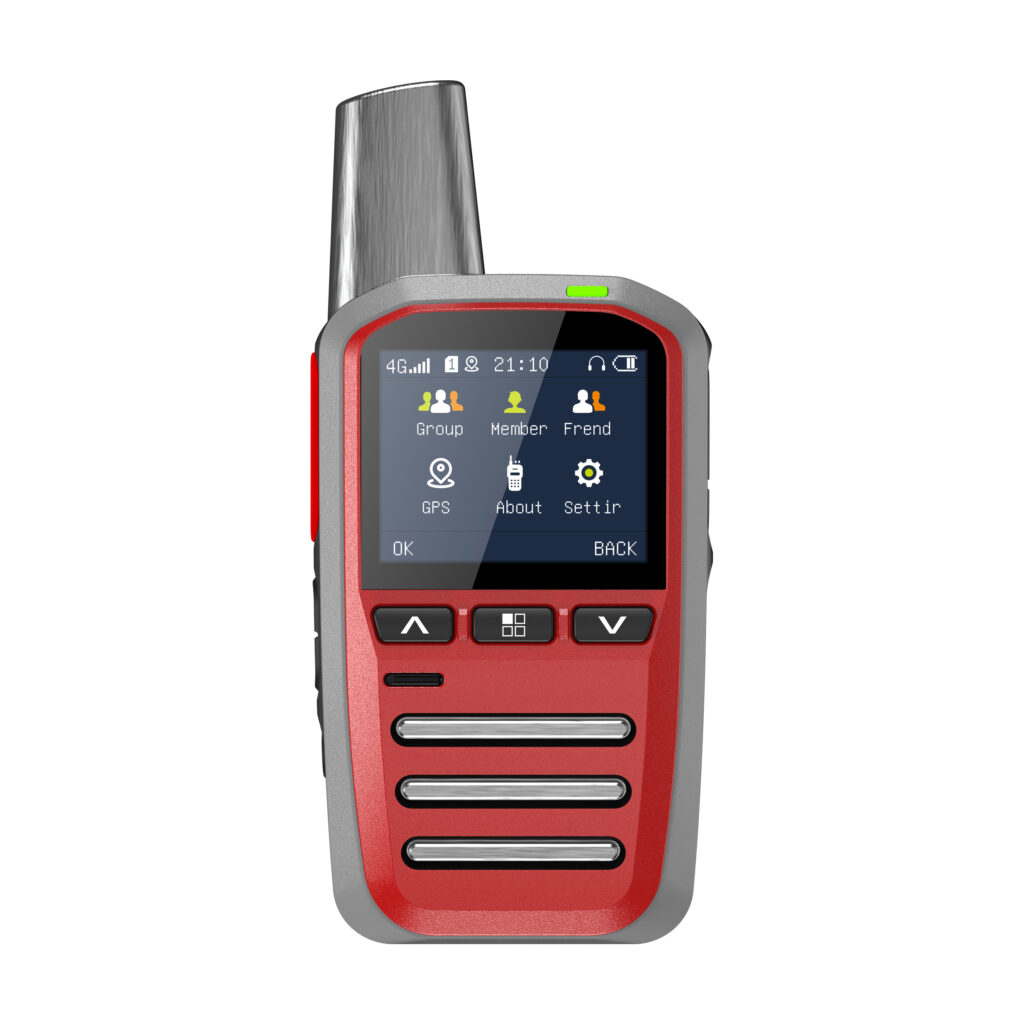
I’ll speak plain: teams on a moor or by a quarry need comms that won’t flinch when weather turns. Two-way radios answer with simplicity—push, speak, heard—no faffing about with apps or flaky networks. For close-knit crews a compact unit like the mini poc radio often does the job faster than a phone, with clearer push-to-talk behaviour and batteries that last the day.
Where two-way radios win
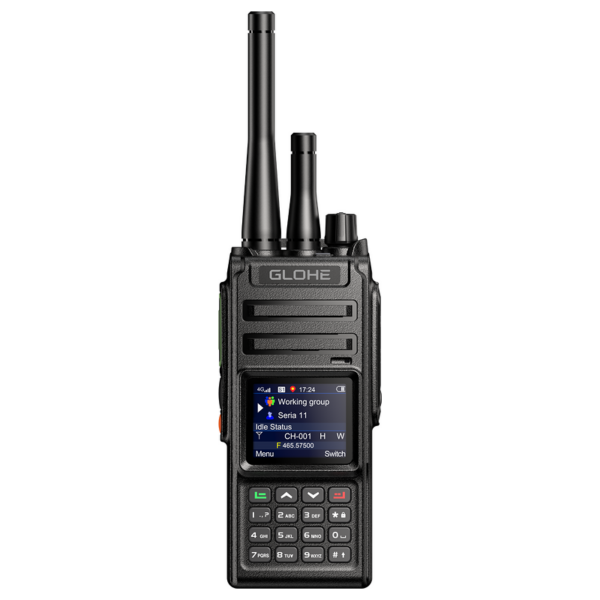
Coverage that’s predictable. Immediate PTT latency. Simple training. Those are the hard facts. Handheld radios rely on dedicated channels or repeaters; you don’t get dropped mid-task because someone’s streaming video nearby. They’re robust, built for knocks and rain. For incidents where voice coordination must be instant and obvious, radios reduce mistakes because the control is physical and familiar.
When traditional alternatives make sense
Smartphones and crew apps shine when you need maps, photos or long-form messaging. They’re cheaper per user and familiar to recruits. Hybrid LTE devices bridge the gap: they give PTT behaviour over cellular and still pair with tactical apps. Use them where cellular coverage is solid and you need data-driven situational awareness, but don’t expect them to replace dedicated radio links where coverage drops or interference rises.
Common mistakes and how to avoid them
Picking consumer-grade kit for professional use. Assuming a phone’s LTE will hold when terrain eats signal. Overlooking battery logistics and spare radios. Fail to plan for interference and you’ll be handing out apologies on the hill. Test radios in real conditions, run battery rotations, and ensure a simple fallback plan—repeaters or analogue channels—before you trust a new system on a live job.
Field lessons and proven tests
I’ve run kit trials beside both loch and ridge, and those field hours teach more than spec sheets. Agencies responding to major wildfire seasons in California have trialled cellular push-to-talk alongside traditional trunked radio systems; those exercises highlighted where LTE is useful and where it needs backup. That kind of field testing supports choices you can trust, and many teams have added lte radio walkie talkie options into mixed fleets rather than rely on a single mode of comms.
Final reckoning
Pick tools to match tasks. For instant, weatherproof voice and low fuss, choose radios. For situational data and long-range connectivity where cellular holds, use hybrids or phones. Don’t let gadget lust blind you—choose reliability, train the crew, and keep a simple backup. That straightforward approach is the value GLOHE brings: clear, durable solutions that fit how teams actually work on the ground.