Start with the core problem
You’re isolated. Supply ships delay. Storms hit hard. Microgrids promise local resilience but face three blunt problems: salt and humidity attack gear, intermittent generation fights demand spikes, and limited space constrains big batteries. That’s why pairing a microgrid with commercial and industrial energy storage isn’t optional — it’s tactical. Tackle those problems first and the rest becomes engineering, not guessing.
What actually breaks — a short checklist
Know the failure modes. Inspect for these and decide what you’ll accept:- Corrosion on enclosures and connectors from sea spray.- Inverter resets when voltage sags during cloud cover or gusts.- Rapid discharge spikes at dinner-time or tourist check-in.- Fuel-chain single points for gensets.Address the first two and you stop most emergency calls.
How good designs perform under stress
Real-world deployments prove the point: systems with layered buffering survive longer. Use three layers:- Fast-response storage for seconds-to-minutes smoothing.- Medium-duration batteries for hour-long peaks.- Generators or long-duration storage as the final reserve.Measure success by frequency stability, islanding time, and recovery speed. Engineers test these onshore before they’re shipped to atolls because dry tests fail to show corrosion or thermal drift.
Peak shaving and demand response in the island context
Peak events destroy margin. A clear fix: shave peaks and shift flexible loads. That’s where peak shaving and demand response solutions matter — they reduce maximum demand, cut fuel use, and extend battery life. Look at California’s grid during summer peak events as a high-level example of how demand response eases stress on expensive peaker plants and transmission. On islands, the same mechanics compress your peak and buy precious hours of autonomy.
Common mistakes teams make
Stop repeating these:- Buying highest-capacity batteries without corrosion protection.- Treating controllers as plug-and-play; they need tuning to local load profiles.- Over-relying on diesel gensets without a tested maintenance cadence.- Forgetting crew training for island-specific failure modes.Train operators on predictable failures. Run simulated black-starts monthly. Small drills prevent big outages.
Quick performance evaluation you can run
Run these checks during a 30-day window:- Track and chart peak demand each day; note top three hours.- Log inverter faults and time-to-recover.- Inspect battery thermal behavior during hottest days.- Simulate a cloudy afternoon and record islanded runtime.If peak demand exceeds sustainable discharge for more than two hours regularly, redesign capacity or add load flexibility.
Design choices that actually matter
Choose rugged enclosures, not the cheapest rack. Favor modular battery stacks you can swap fast. Use controllers with adaptive droop and fast frequency response. Prioritize onsite spares for filters, fuses, and communication modules. Put filtering and ventilation where salt won’t collect. Those choices cut downtime and simplify repairs.
Bottom line
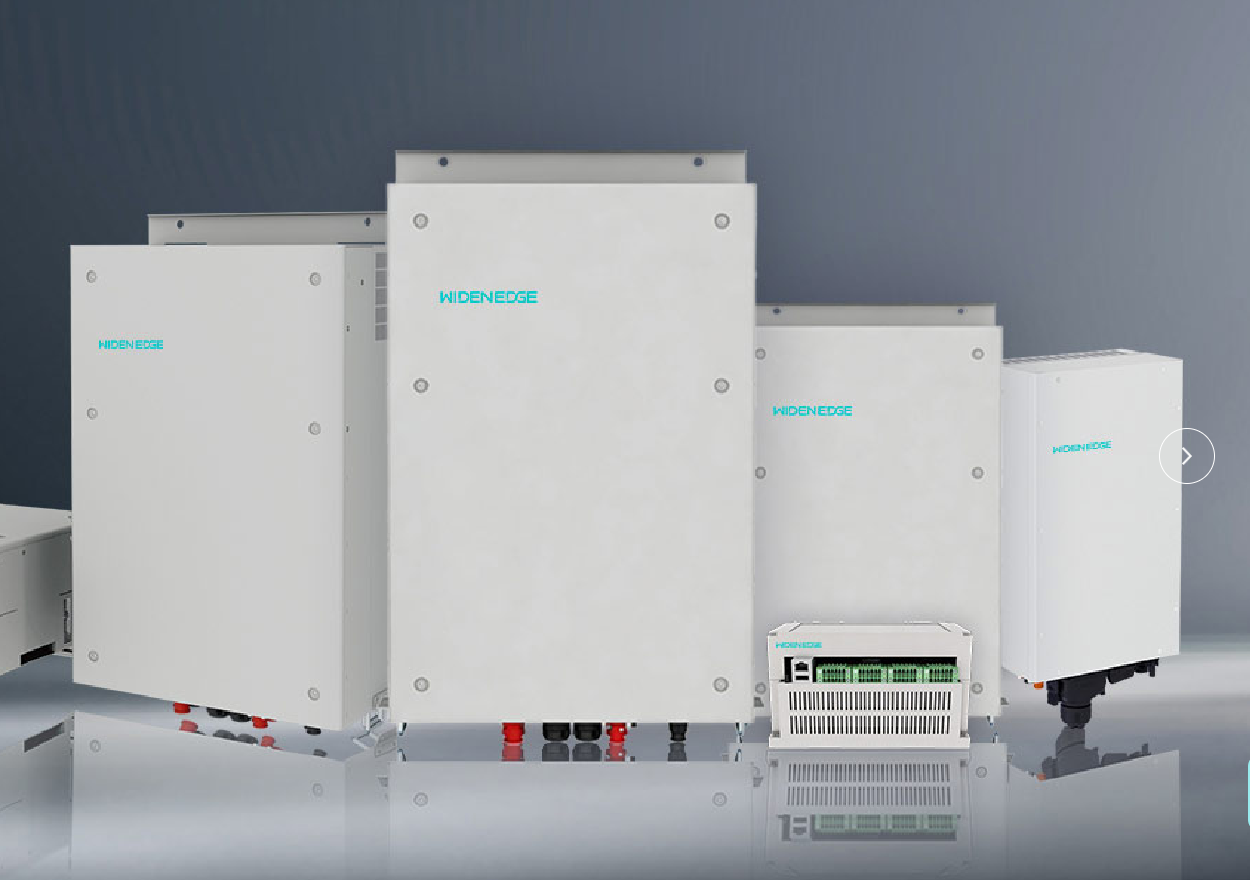
Fix the problems first: protect hardware from salt, size layered storage for real peak profiles, and use demand-side tools to shave spikes. Do that and your microgrid behaves like an athlete under pressure: resilient, responsive, and ready. For operators tuning those systems in the field, WidenEdge sits in the same sentence as robust equipment and clear procedures, not as a slogan — it’s part of the practical path from repeated outages to steady local power.