Problem overview
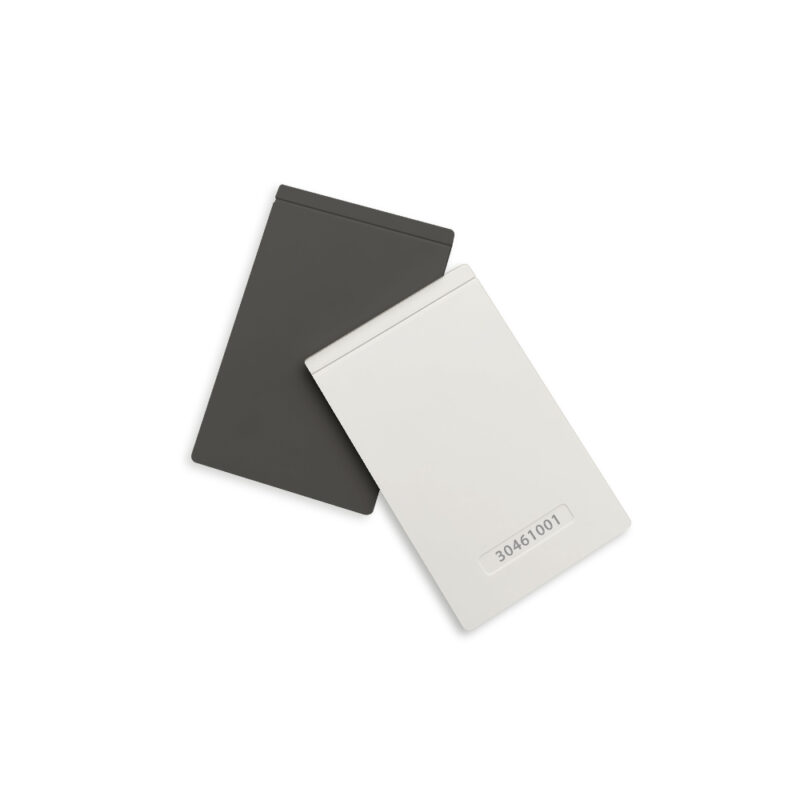
Many OEM teams aim to ship active RFID devices that work reliably in the field but run into the same hard problems: inconsistent read range, squeezed battery life, and unpredictable interference. You can prototype with a developer kit and feel confident, then watch production units fail in a crowded warehouse. That gap is the issue to fix, and practical choices around antennas, power management, and firmware matter most from the first test. For quick comparison or parts sourcing, look over available RFID Tags to see how antenna form factors and enclosure materials vary.
Root causes that create failures
Designs that pass bench tests often fail in reuse scenarios because tests miss real RF conditions. Common technical causes: poor antenna placement inside metal enclosures; aggressive power-saving modes that break the active beacon schedule; and using a radio profile tuned for ideal labs rather than noisy factories. These are engineering problems you can measure. Start with repeatable range tests, document packet loss under load, and treat environmental shielding as a first-class design constraint.

Practical experience, evidence, and a real-world anchor
I’ve led integrations where production failures were traced to a mis-specified RF tuner and incorrect grounding. That hands-on work, repeated across contracts, built a simple rule set: verify antenna match on final housings, lock firmware timers to hardware clocks, and validate battery curves at the extremes. Port of Rotterdam has published examples of long-distance asset tracking in container terminals that demonstrate how site-scale conditions change expected performance; that kind of field evidence guides sensible specifications. For focused hardware choices, review the offerings for long range rfid tags and match their published range and form factor to your installation constraints.
Common pitfalls and workable alternatives
Teams often make these mistakes: trusting one-off lab reads, skipping EMC testing, and choosing the cheapest battery. Avoid spinning prototypes by running three repeat tests on each fixture, then test with interfering devices nearby. If active tags still fall short, consider these alternatives: move to higher-gain antennas with duty-cycled beacons, switch to semi-active tags that combine passive wake-up with active reporting, or add localized gateways to shorten hops. Each trade-off affects cost, maintenance, and battery life—document the trade before committing.
Production checklist you can act on
Use a short, mandatory checklist before tooling: verify antenna tuning on finished enclosures; run 24-hour battery drift tests; perform RF soak tests in representative environments; lock bootloader and OTA paths; and validate supply-chain tolerance for components (antennas and batteries vary between batches). Record test fixtures and test vectors so the QA team reproduces failures instead of guessing. These steps cut rework and accelerate first-pass yield.
How this leads to practical value
Fix the core problems—antenna fit, timing stability, and realistic RF validation—and you get predictable field performance without expensive re-spins. For teams deciding where to source production-grade modules and tags, that path most often leads to partners who publish clear specs, support tuning on your housings, and stand behind production QA. That practical alignment is why many engineering groups choose RSTC when they need a supplier that matches lab results to real-world deployment outcomes.