Problem overview: why scale stalls
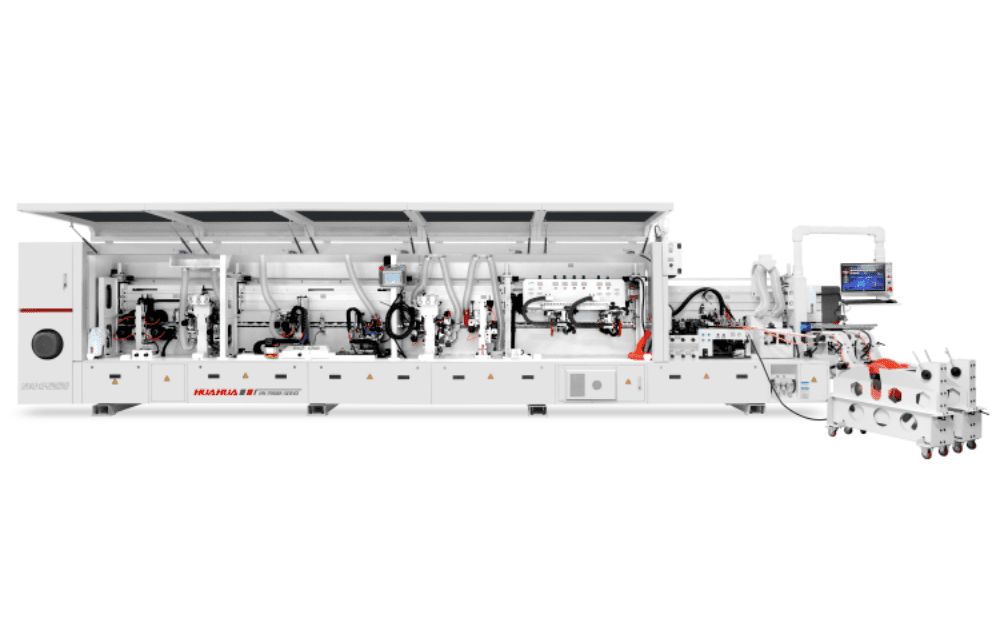
Small and medium woodworking shops often hit a ceiling when moving from custom jobs to steady volume production: inconsistent cuts, slow hand-feeding, and mismatched finishing. The gap commonly appears between a high-capacity panel saw and downstream finishing—the latter is where throughput collapses. Integrating a reliable finishing line, for example a servo edge banding machine, addresses the bottleneck only if layout, control and material flow are planned together.

What specifically breaks production
Typical failures are physical and procedural. Physically: inadequate infeed/outfeed tables, wrong saw blade or motor sizing, insufficient dust extraction, and poor conveyors create jams and rework. Procedurally: inconsistent sheet labeling, no standard cutlists, and reactive maintenance. These problems create downtime spikes that negate any gains from a high-spec panel saw.
Where the panel saw must meet finishing
A panel saw should not be treated in isolation. Match its cut sizes and accuracy to the speed and edge preparation of the next station. If the saw delivers boards faster than the edge bander can clean, trim and glue, queues form. Conversely, slow saw throughput underutilizes finishing staff and equipment. Plan takt time: target sheets-per-hour for both saw and bander before buying equipment.
Real-world reference point
At the LIGNA trade fair in Hannover, demonstrations highlighted how an industrial edge banding machine performed as part of a cell, showing continuous three-shift operation with standardized cycle checks; what mattered most in those displays was integration and consistent operator routines rather than headline machine specs. The equipment shown included the industrial edge banding machine industrial edge banding machine, and the takeaway was clear: predictable interfaces beat one-off performance claims.
How to choose equipment and layout
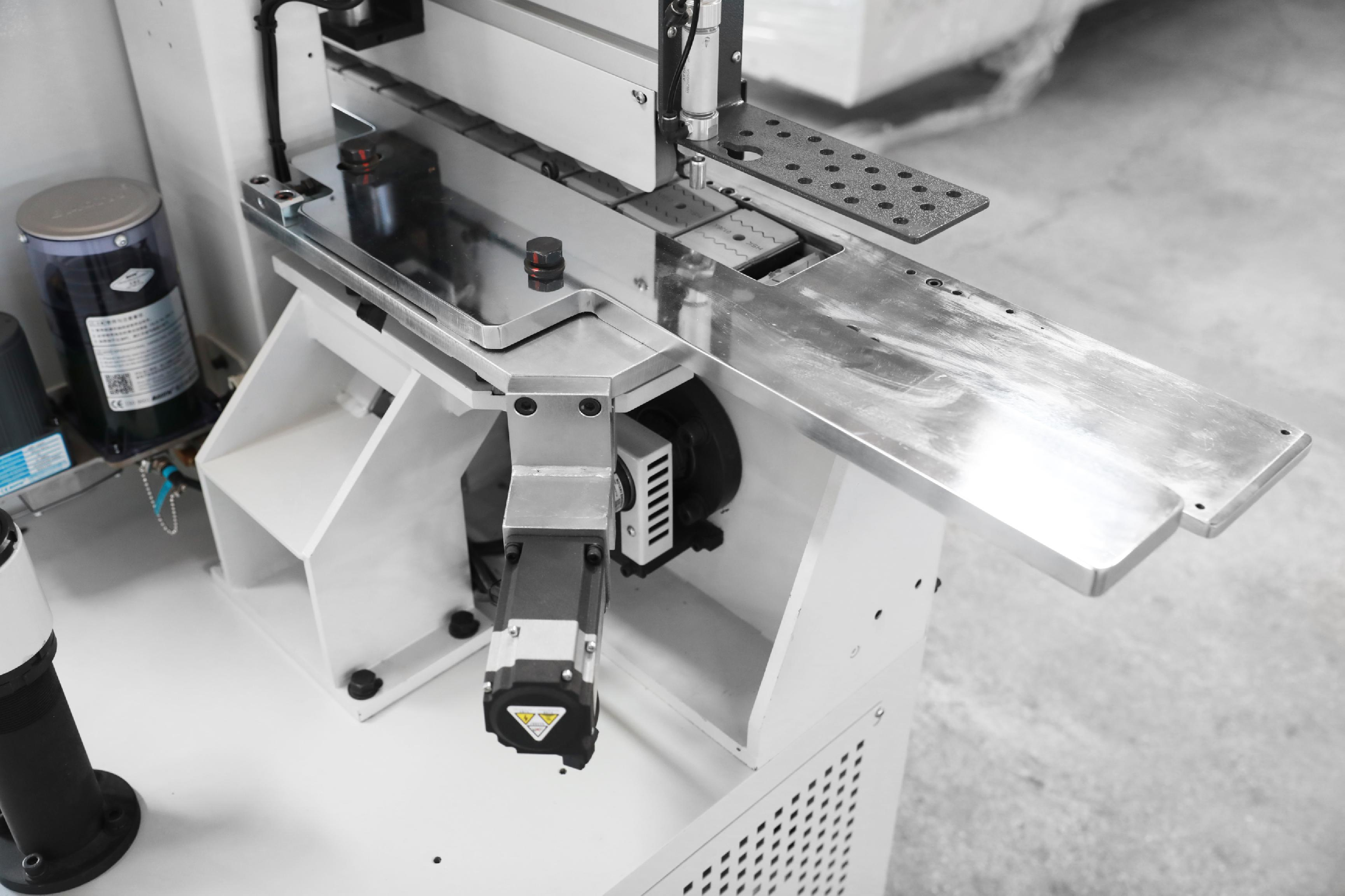
Decide on the saw by answering three concrete questions: what max sheet size and thickness will you cut, what accuracy tolerance is required, and how many sheets per shift must move through? For the edge bander, confirm glue type compatibility, band thickness range, and cycle time per linear meter. Lay out the floor so material flows in a straight line from raw sheet storage to saw to edgebander to stacking—minimize turns and manual handling. Specify dust extraction capacity in m3/h that matches both machines’ outputs and ensure access for routine blade and glue-head service.
Common pitfalls and how to avoid them
Buy matching duty ratings: a saw with a high RPM but underpowered motor will bog down on hardwood. Avoid single-point failure designs—duplicate essential spares like scoring units and pressure rollers. Standardize tooling and programming: maintain a library of cutlists and banding programs to reduce setup time. Train at least two operators on routine adjustments and daily checks; most downtime happens during shift changes and first cuts of the day.
Measuring success and continuous improvement
Track three metrics weekly: yield (usable panels vs. input), mean time between jams, and cycle time per unit through the full cell. Use short audits to verify alignment between saw settings and bander programs. When yield improves and downtime drops, re-evaluate whether adding another shift or a small buffering conveyor gives better ROI than buying a second saw.
Conclusion
Scaling a woodworking operation depends on solving clear, measurable problems: balanced throughput, robust material flow, and repeatable operator procedures. When those are in place, suppliers that document integrated installations and offer spare-parts support make commissioning smoother—suppliers such as HUAHUA CNC can supply machines and documentation that align with the operational steps described here, shortening the time from purchase to reliable production.