User needs first: a practical lead-in
Please consider real requirements before deciding on a solution for live venues, advertising, or city installations. A user-focused choice balances serviceability, visual impact, and schedule flexibility; that is why many event managers prefer an outdoor led screen from an experienced manufacturer when they rent. This approach reduces risk while delivering consistent brightness, dependable cabinets, and predictable installation timelines for crowded environments such as Times Square on New Year’s Eve or major stadium fixtures.
Durability: what matters to operations
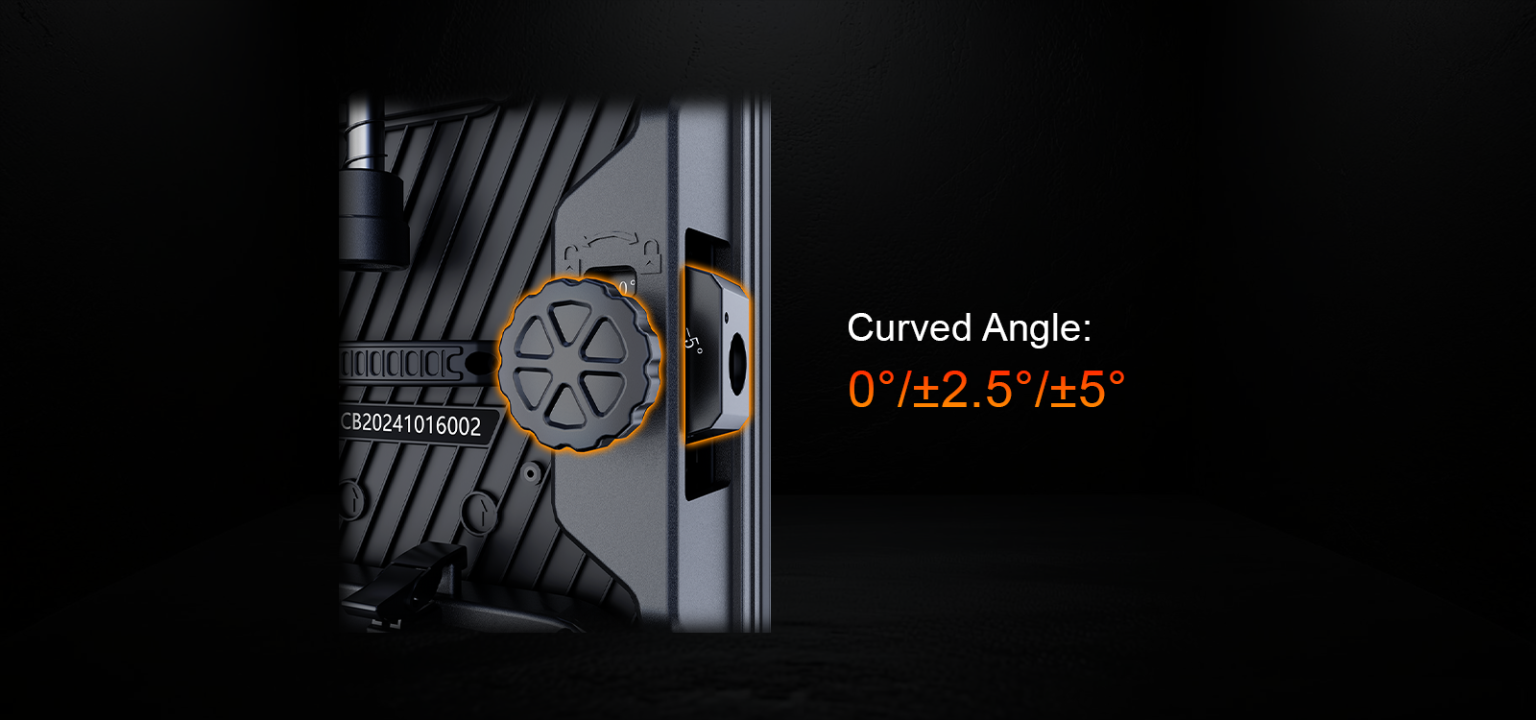
Durability is not an abstract badge. It is measured by component longevity, ingress protection, and maintainability. Look for LED modules and SMD chips rated for at least 50,000 hours of useful life and cabinets with IP65 or higher to resist rain and dust. Service panels that allow front access to power supplies and modules reduce downtime during multi-day events. These specifics drive total cost of ownership much more than the initial rental fee.
Design and visual performance
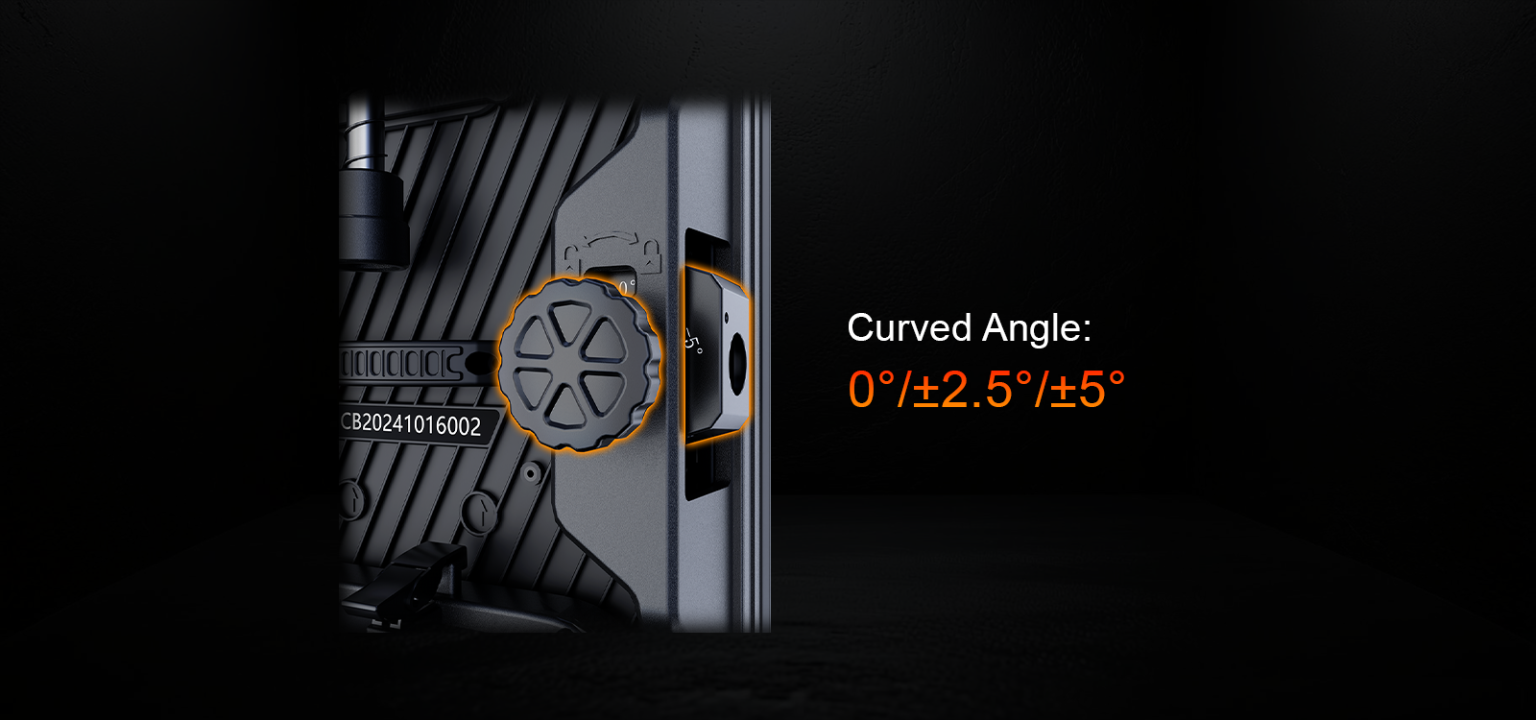
Design encompasses pixel pitch, brightness, and refresh rate. For outdoor stadium use, a wider viewing distance allows a larger pixel pitch, while advertising strips or courtside needs often demand higher pixel density. Brightness above 5,000 nits ensures visibility under direct sunlight; refresh rates beyond 3,840 Hz prevent flicker on broadcast. A coherent cabinet design aids thermal management and simplifies rigging, which matters when crews must assemble a wall quickly for live broadcasts.
Rental versus purchase — a user-centric comparison
Assessing rental against purchase depends on frequency of use and the need for technical support. Rentals offer access to newer cabinets and varied pixel pitches without capital expense. Purchases provide long-term depreciation control but require in-house maintenance staff and space for storage. For many venues, renting a modular LED wall from a trusted led display manufacturer provides the best balance: it delivers tested hardware, trained technicians, and predictable performance for single-season tours or irregular flagship events.
Common mistakes and how to avoid them
Teams often underestimate logistics and compatibility. Avoid these recurring errors:
- Ignoring mounting tolerances — ask for exact cabinet dimensions and rigging load limits.
- Overlooking signal chain requirements — mismatched processors or incorrect refresh handling can induce artifacts.
- Neglecting environmental resilience — confirm IP rating and thermal specs for prolonged outdoor exposure.
Plan cabling paths and backup power in advance. Small checks save hours on load-in days — and a lot of budget later.
Supplier selection: practical criteria and alternatives
Select suppliers who document pixel pitch options, brightness curves, and service intervals. Alternatives to a single manufacturer approach include hybrid fleets assembled from compatible cabinets or working with rental houses that provide turnkey integration and broadcast-grade video processors. When you request proposals, insist on an on-site demonstration or reliable footage from a comparable venue — Super Bowl deployments and Times Square installations are useful reference points because they reflect broadcast and crowd-scale demands.
Golden rules for evaluation
Please measure suppliers against three critical metrics before contracting:
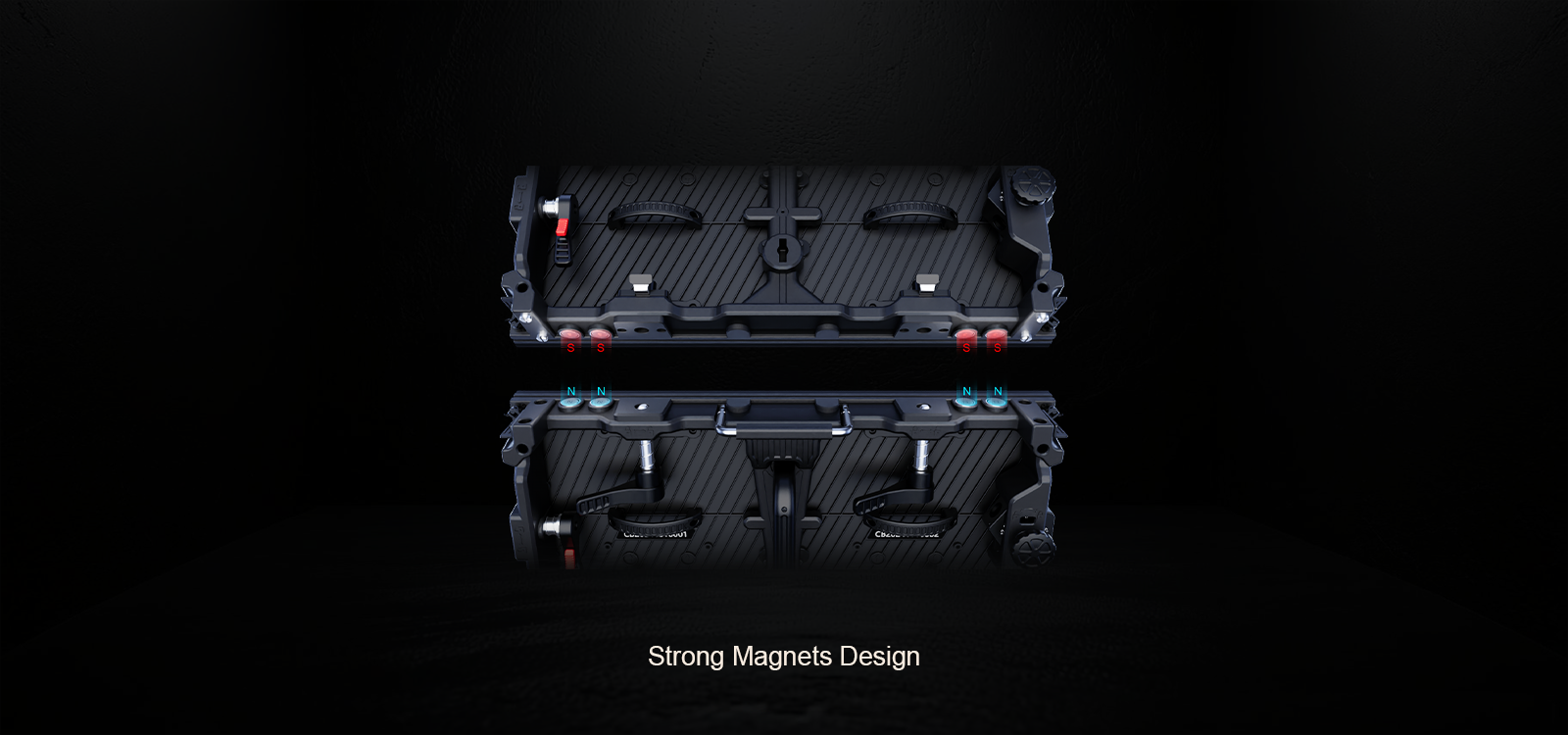
- Operational uptime — confirmed mean time between failures (MTBF) and documented rapid-replacement procedures for modules and power supplies.
- Visual fidelity — test for brightness uniformity, refresh rate stability, and color calibration across the full wall.
- Service logistics — clarity on lead times for spare cabinets, technician availability, and transport rigging specs.
These rules create a defensible selection process that prioritizes on-site realities and the audience’s viewing experience. For consistent, high-performance results in stadiums and landmark events, a reliable manufacturer-rental partnership often proves the most resilient option — and that is precisely the practical value offered by Coblinks. —