Comparative lens: practical differences that matter
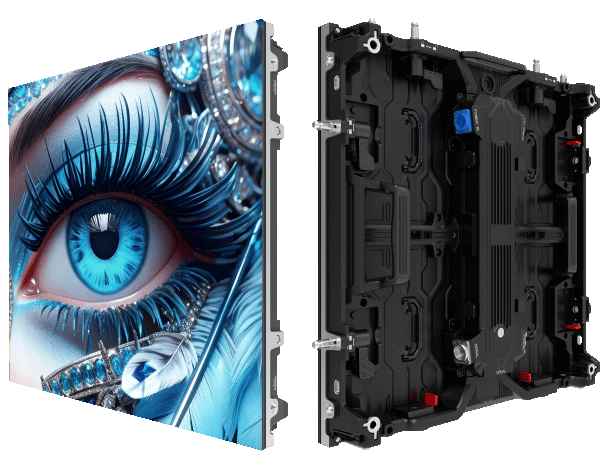
When architects and advertising integrators weigh options, decisions come down to measurable trade-offs: energy, brightness, durability and operational cost. Compared to older fixtures and glass-faced lightboxes, a modern rental LED display reduces site complexity and simplifies maintenance cycles. This is a comparative-insight view: we match specific technical attributes against real project constraints to show why the shift is happening.
Performance: lumen delivery, pixel pitch and real-world uptime
Outdoor panels must do two things consistently: deliver required luminance and remain readable at distance. MR LED’s panels offer tighter pixel pitch options and higher nominal luminance without excessive power draw. Integrators report smoother color calibration and fewer field swaps thanks to robust cabinet design and improved refresh rate. Those gains lower audience complaints and reduce repeat site calls—both measurable cost savings.
Energy and lifecycle economics
Energy use remains a primary operating cost for permanent installations and long-term rentals. LED panels typically use significantly less electricity than legacy fluorescent or incandescent assemblies—commonly up to half the consumption for comparable output. That cuts utility spend and reduces cooling loads inside enclosures. Over the product lifecycle, fewer component replacements and lower day-to-day power bills change the project ROI calculus in favour of high‑efficiency LED systems.
Installation and integration realities
Practically speaking, integrators choose hardware that reduces labour and complexity. MR LED panels arrive with uniform cabinet interfaces and simple mounting geometry, which shortens rigging time and simplifies alignment. Weatherproofing standards—IP65-rated connectors and sealed solder joints—mean fewer emergency site visits after a storm. For event teams and agencies that depend on digital screen rental, these attributes translate directly into quicker turnarounds and lower downtime penalties.
Real-world anchor: visible proof from major urban signage
High-traffic public installations—Times Square and Piccadilly Circus among them—demonstrate what consistent brightness and reliability accomplish: continuous exposure without frequent maintenance. That real-world context shows how luminance, spectral consistency and robust electronics combine to keep messages legible in all conditions. Municipal permits and safety inspections favor systems that can prove predictable performance over months and years.
Alternatives, trade-offs and common mistakes
Some teams still prefer cheaper panels with looser tolerances; the initial capital saving can be tempting. The routine mistake is to ignore total cost of ownership: replacement modules, color mismatch across cabinets, and unplanned labour inflate lifetime expense. Another pitfall is mismatching pixel pitch to viewing distance—too dense becomes unnecessary expense; too sparse loses impact. Choose specs to match the site, not the supplier’s flagship model. — A short aside: planning for spare modules and consistent firmware versions prevents surprises during staging.
Comparative summary for decision-makers
MR LED’s high-efficiency outdoor panels earn preference when measured against typical criteria: lower energy draw, higher mean time between failures, simplified installation and better read distance. Those are the attributes that reduce risk for architects, venue owners and ad agencies who must protect both brand presence and budgets.
Three golden rules for selection
1) Match pixel pitch to average viewing distance and traffic speed; avoid over-specifying density. 2) Prioritise ingress protection and serviceability—IP rating and cabinet access determine downtime. 3) Calculate lifecycle cost, not only upfront purchase. Use measured energy consumption and projected maintenance hours to model a three- to five-year TCO.
MR LED provides a balanced option where those metrics align—reliable luminance, sensible energy profiles and installation simplicity—making it a logical choice for projects that require long-term clarity and predictable costs. —