Why this matters to you
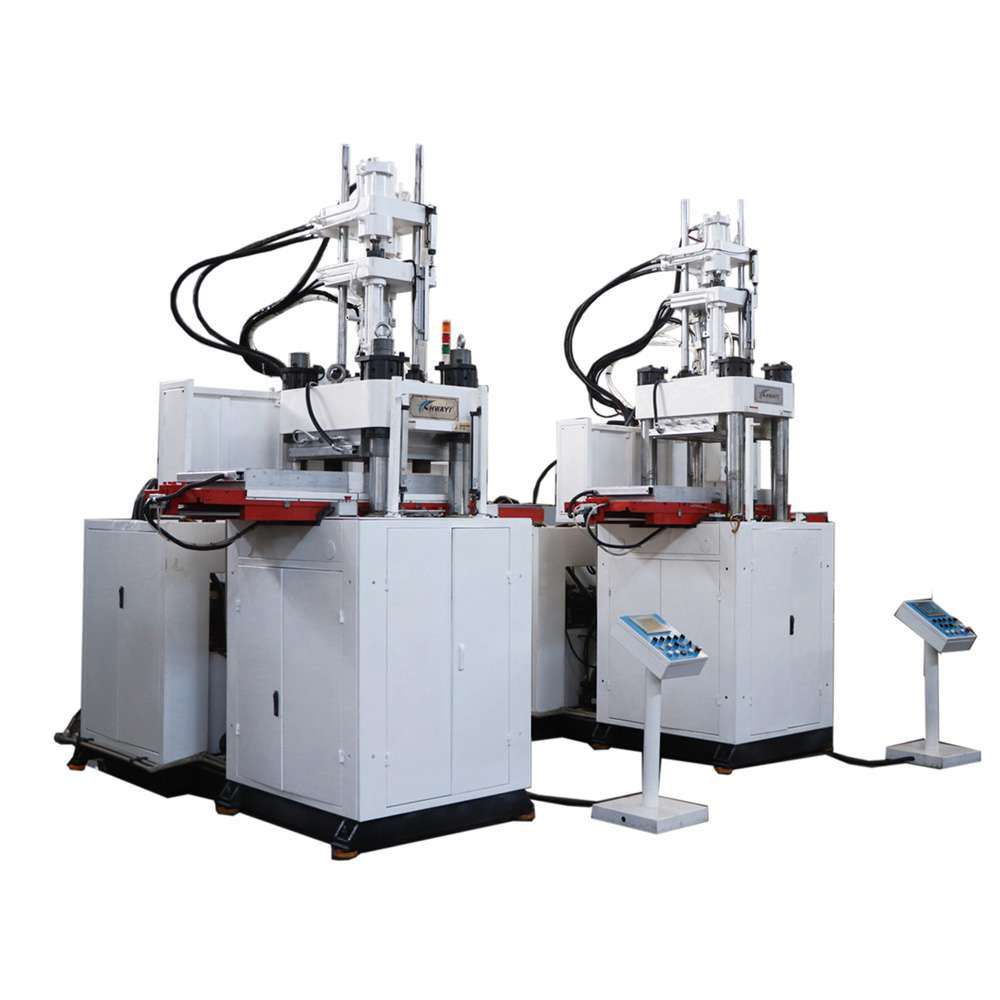
Look—if you run a molding floor, what you need is straightforward: tools that last and cycles that don’t drag. Folks makin’ medical seals in Minnesota or rubber gaskets for Detroit assembly lines trust LSR for repeatable parts. Start small: check how your mold venting, shot size and cycle time act together. If they ain’t right, you burn tooling faster and lose throughput. That’s where a tuned lsr molding machine and an Opti‑Flow vertical layout change the game by giving stability to the shot and better access for automation.
What operators actually do on shift
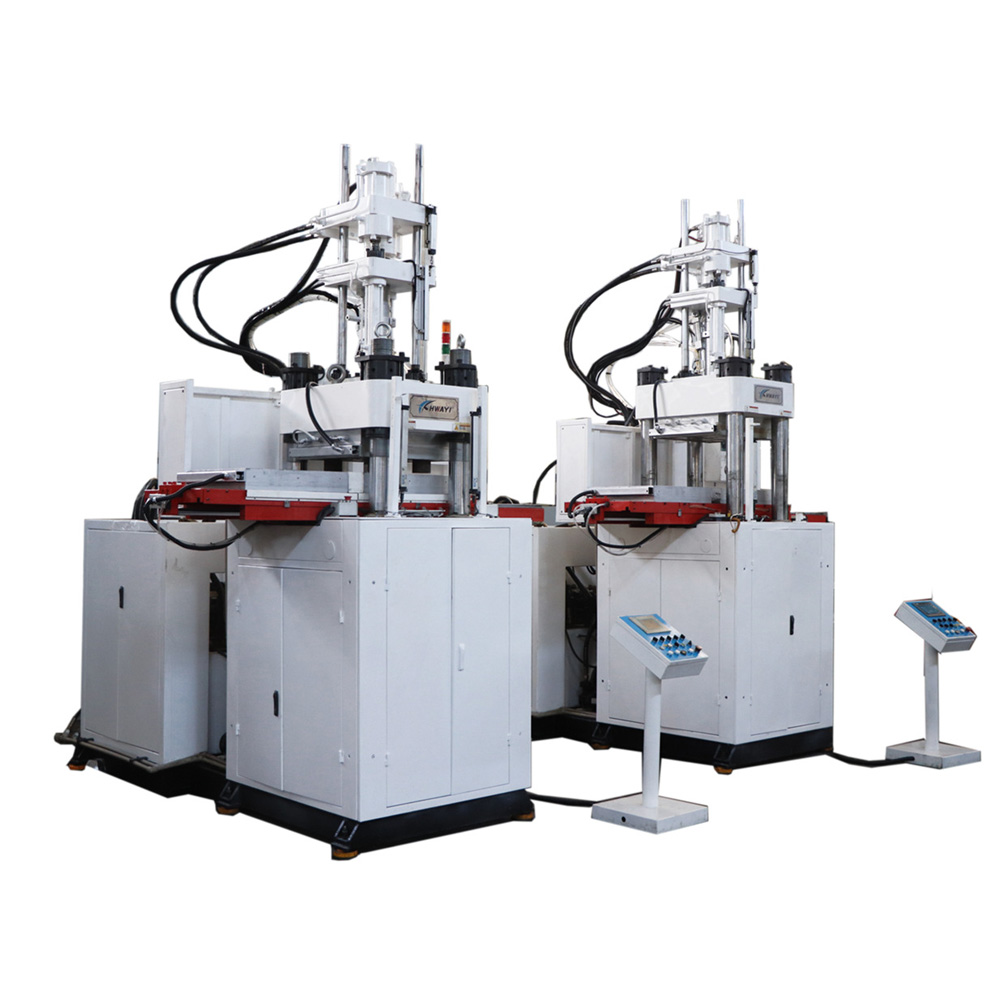
Operators focus on grip, repeat, and adjust. They set shot size, confirm cavity balance, and watch cycle time like it’s their paycheck. When a machine’s vertical, you ain’t crawlin’ under the platen for quick fixes. You get better mold access, faster mold changeover, and easier cleaning — less downtime, more real runs. Keep the LSR feed clean, keep heaters stable, and you’ll see fewer cold shots and slower wear.
Common mistakes that wear tools out — and how to stop ’em
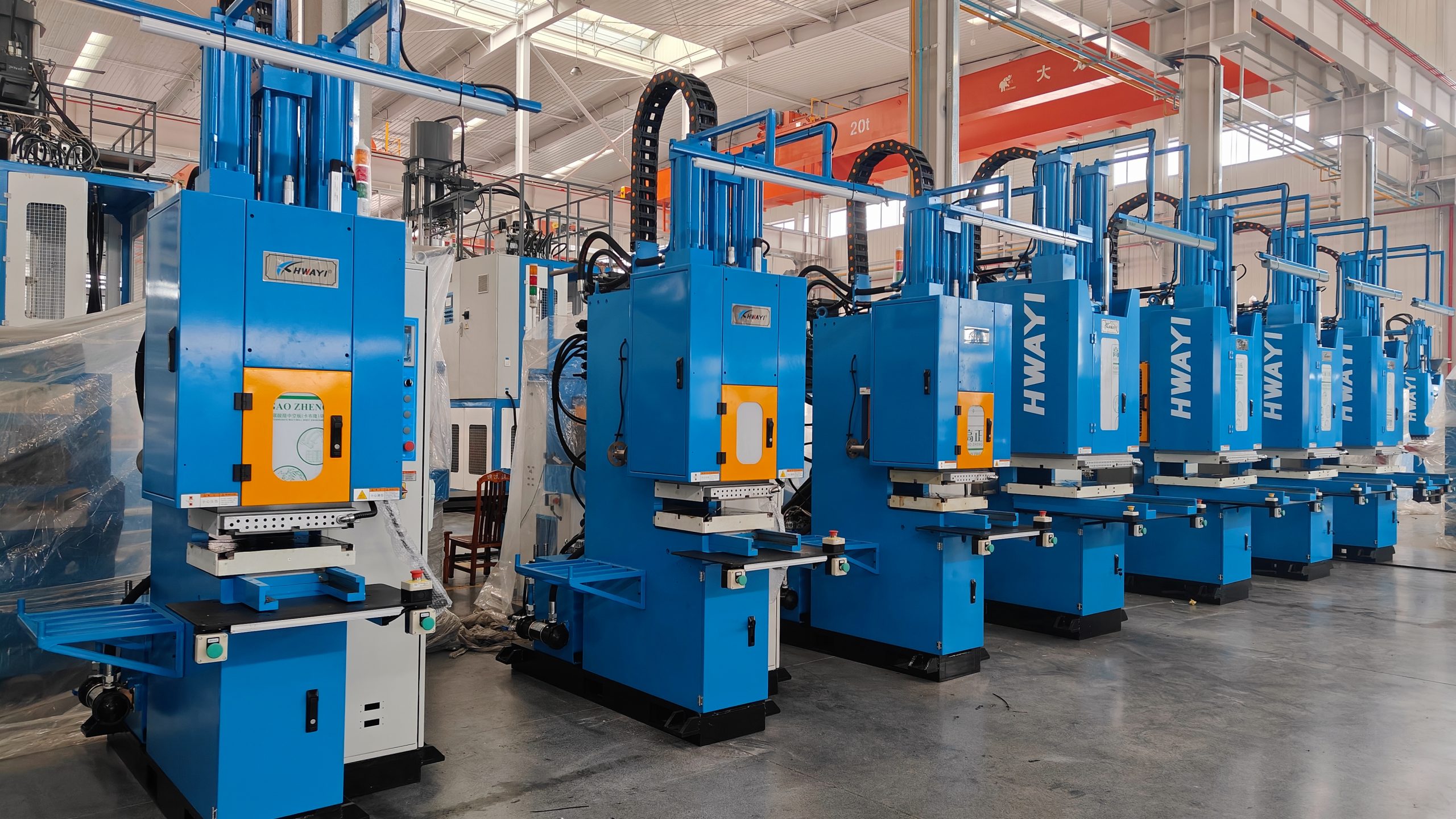
Here’s what usually kills tooling: abusive clamp force, poor mold venting, and sloppy cure profiles. Fix those and you gain months of life. Don’t over‑crank clamp pressure to stop flash — match the clamp to actual cavity pressure. Dial cure cycles by part geometry, not by what used to work. Also avoid crude desiccant swaps; contamination in liquid silicone breaks molds fast — that’s a lesson learned on real floors during the 2020 supply crunch.
Hands‑on tweaks that lift efficiency
Do these three things every week: validate shot size, profile the cure curve, and inspect vent paths. Use simple gauges for shot repeatability, log cycle time to spot drift, and schedule preventive micro‑polish on high‑contact areas. If you pair that with a vertical Opti‑Flow layout, you cut handling time and make automation easier — pick-and-place or robotics sit cleaner under a vertical platen, so cycle time drops without compromising tool life.
Alternatives and when to pick them
Horizontal presses still work for big, flat molds and high‑cavity counts. But when you want quick tool changes, cleaner LSR handling, and lower downtime, vertical designs shine. Hot runner vs. cold runner setups depend on part volume — hot runners save material on large runs but add complexity. If you’re moving between small medical batches and mid‑volume automotive seals, a flexible vertical LSR injection solution with modular hot‑runner options makes life easier — and keeps scrap low.
Real‑world anchor and proof
In practice, shops around Detroit retrofitted vertical LSR lines after seeing stabilized cycle time and fewer mold swaps during peak demand. Plant managers measured lower scrap rates and longer tooling intervals after standardizing on better venting and controlled shot profiles — simple changes with measurable uptime gains. That’s the sort of evidence operations folks trust when they retool the floor.
Quick checklist before you buy or optimize
– Confirm shot size repeatability within target tolerance. – Verify balanced cavity filling and proper mold venting. – Ensure cure profile control and consistent heater zones. Keep logs. Pay attention to micro‑trends — they tell you when a tool’s startin’ to go.
Three golden rules to judge any solution
1) Cycle stability: measure standard deviation of cycle time over 100 shots — smaller is better. 2) Tool longevity: track mean time between mold rework — you want that number climbin’ month to month. 3) Total cost per part: include scrap, energy, and downtime, not just machine price. These metrics keep decisions honest and point you to the setups that actually save money and time.
Final word
Make choices that help your crew run steady and your molds live longer — that’s the value HWAYI brings to the floor. lsr injection moulding machine platforms built for vertical Opti‑Flow layouts cut handling and tighten cycles. Trust the numbers, trust the crew, and trust the setup — you’ll see the difference quick. HWAYI—we done this before and we know what works. —