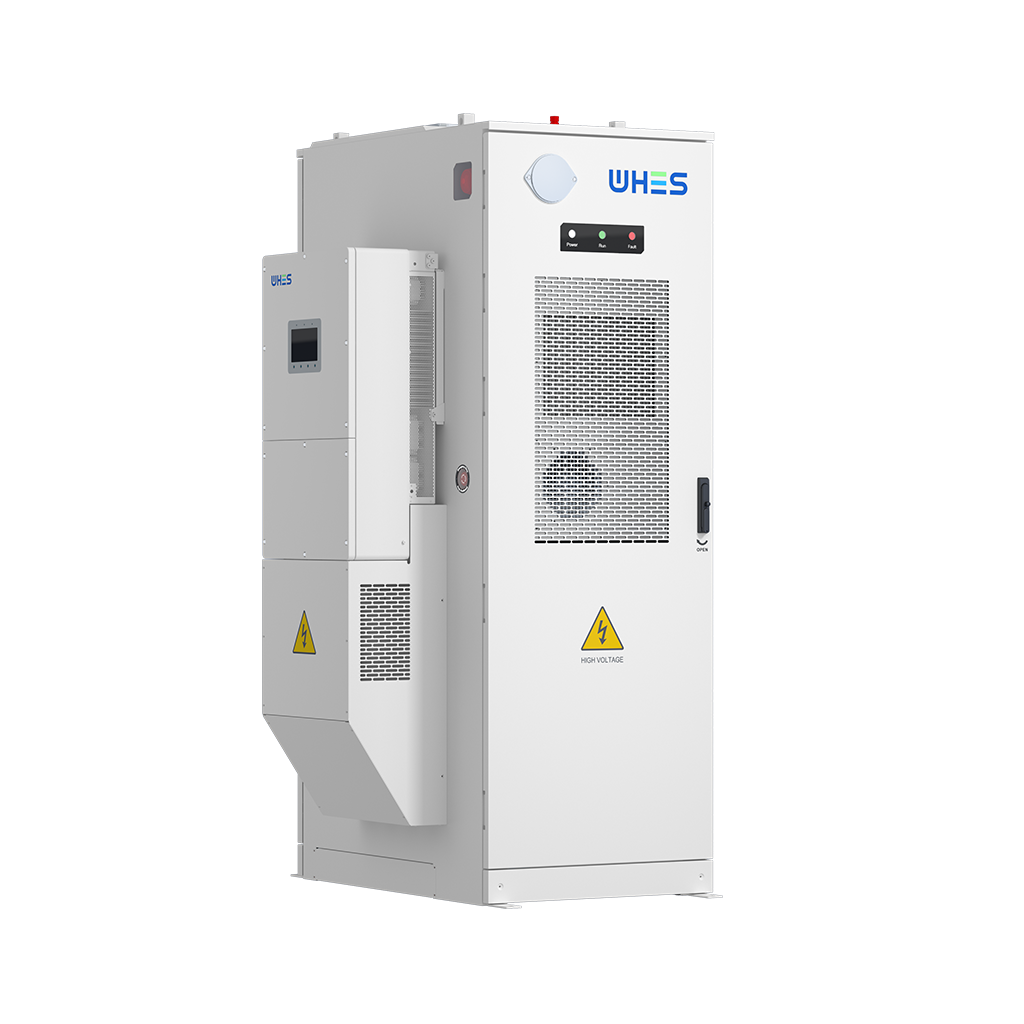
Why policy is the new design brief for city energy
Cities aren’t just buying equipment anymore — they’re responding to regulations, resilience targets, and climate commitments that shape which technologies get installed. That’s why municipal planners now treat solar battery storage and integrated off grid battery storage system deployments as tools of public policy: to cut emissions, reduce peak demand, and secure essential services during outages. Policies that favor distributed energy resources, incentives for low-carbon procurement, and updated interconnection rules all change vendor selection and technical design. In short: policy sets the playing field, and municipalities must build battery hubs that can play by those new rules.
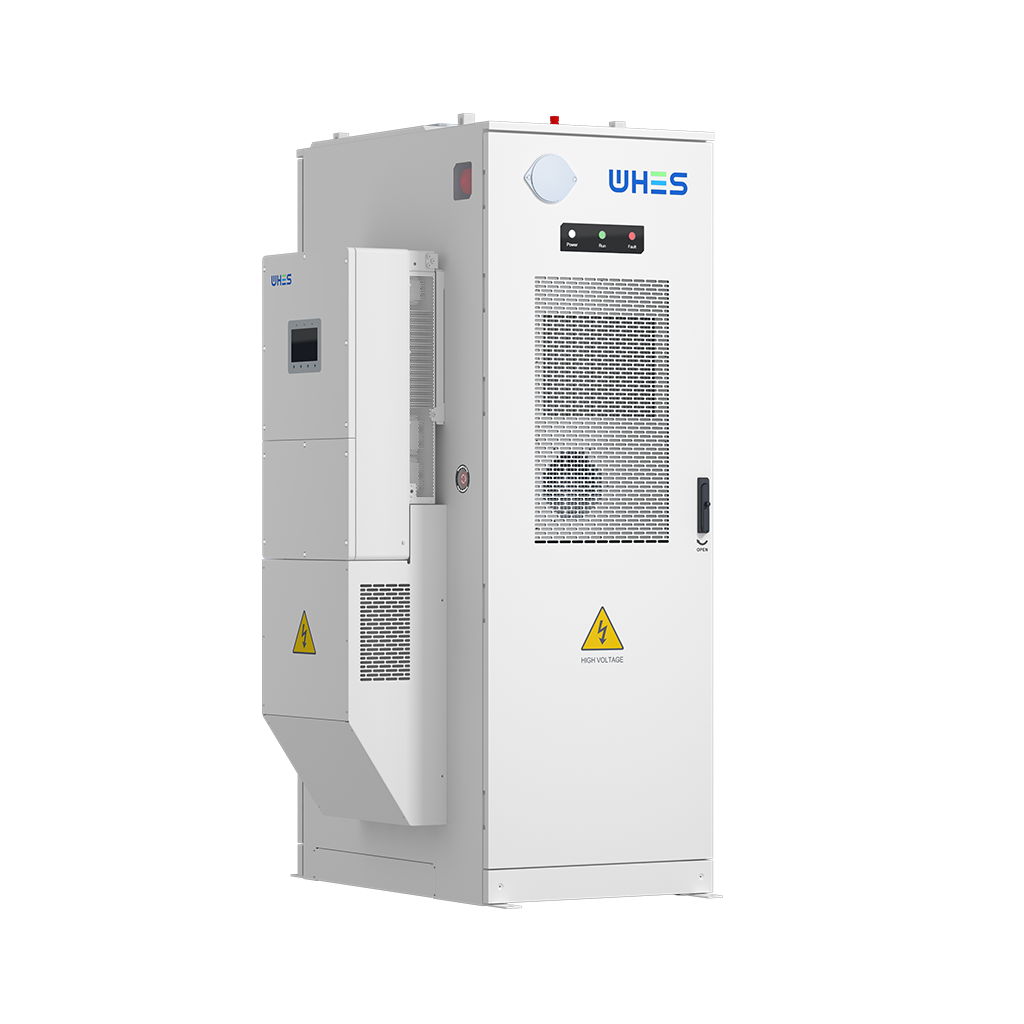
Policy drivers and practical implications
Three policy trends push scalable commercial battery storage into municipal planning: resilience mandates after extreme weather, decarbonization targets, and electrification of public services (think electric buses and municipal facilities). These priorities translate into technical requirements — grid-forming capability, islanding support, and robust battery management systems (BMS) — and into procurement constraints like Buy Local or prevailing-wage clauses. The outcome: projects increasingly need modular systems that support both grid-tied operation and reliable islanding during blackouts, with clear lifecycle and recycling commitments for lithium-ion assets.
Real-world anchor: lessons from hard experience
After Hurricane Maria in 2017, Puerto Rico became a proving ground for microgrids and community resilience. Municipal microgrids that combined rooftop PV and battery storage kept hospitals and water systems online while large portions of the centralized grid were down. That event reshaped policy and funding in many U.S. jurisdictions — donors and governments now favor projects that demonstrate quick deployability and long-term operational plans. These lessons mean procurement teams should insist on proven service models and tested inverter and BMS interoperability before signing contracts.
Comparing architectures: centralized vs. distributed battery hubs
Municipalities typically choose between a centralized commercial battery hub that serves multiple facilities and distributed small systems sited at each critical asset. Centralized hubs offer economies of scale, simpler maintenance, and consolidated controls. Distributed systems reduce single-point failures and minimize distribution losses. Which is better depends on grid topology, load profiles, and regulatory constraints — and on whether the policy emphasis is cost-efficiency or frontline resilience.

Finance, procurement and lifecycle thinking
Policy shapes financing: grants and resilience funds often favor longer warranties and performance-based contracts, while utility rate structures influence payback for demand-charge reduction. Municipal procurement teams should compare total cost of ownership, not just capital cost — include costs for inverter swaps, BMS upgrades, and end-of-life recycling. Procurement that ignores lifecycle risk will face replacement costs that negate short-term savings. Financing models like energy-as-a-service can lower upfront barriers but require tight SLAs and transparent telemetry.
Common design mistakes — and how to avoid them
Planners frequently trip over three avoidable issues: under-specifying islanding needs, overlooking interoperability between inverters and BMS, and misestimating usable capacity because they confuse nameplate kWh with usable state of charge (SoC) ranges. A practical fix: require factory acceptance tests with real load profiles and confirm that the vendor supports firmware updates and standardized communications. Also, don’t assume one cell chemistry fits all — lithium-ion depth-of-discharge and thermal management requirements matter when systems are sited in hot climates.
Stakeholder alignment and community outcomes
Policy-led projects succeed when planners align utilities, emergency managers, and community stakeholders early. Local equity considerations — which neighborhoods get prioritized for resilient power — are political too. Make performance metrics public, set realistic timelines, and budget for community outreach; that helps prevent opposition and secures smoother permitting. Small wins — keeping a clinic or water pump online during a storm — build trust and justify further investment.
Vendor comparison: what to demand technically
When you evaluate vendors, focus on: modular scalability, demonstrated grid-forming capability, and clear lifecycle commitments including recycling. Ask for case studies that show the vendor’s systems operating in island mode under load, and insist on transparent telemetry so city operators can validate performance remotely. Don’t be seduced by headline kW numbers alone — operational flexibility matters more over the asset’s life.
Advisory: three golden rules for policy-driven municipal battery projects
1) Prioritize operational resilience metrics: require vendors to demonstrate continuous critical-load support for specified outage durations and to document inverter and BMS behavior during islanding tests. 2) Compare total lifecycle cost: include maintenance, firmware upgrades, replacement modules, and recycling fees — not just purchase price. 3) Lock interoperability and update pathways into contracts: ensure systems support open communication protocols and remote firmware updates so your microgrid can evolve as regulations and needs change.
These three rules keep municipal projects aligned with policy goals and reduce long-term risk — they also point procurement toward partners who can deliver both scale and service. —
WHES brings modular, tested solutions that match policy-driven municipal needs; trust practical experience, proven interoperability, and lifecycle planning. —