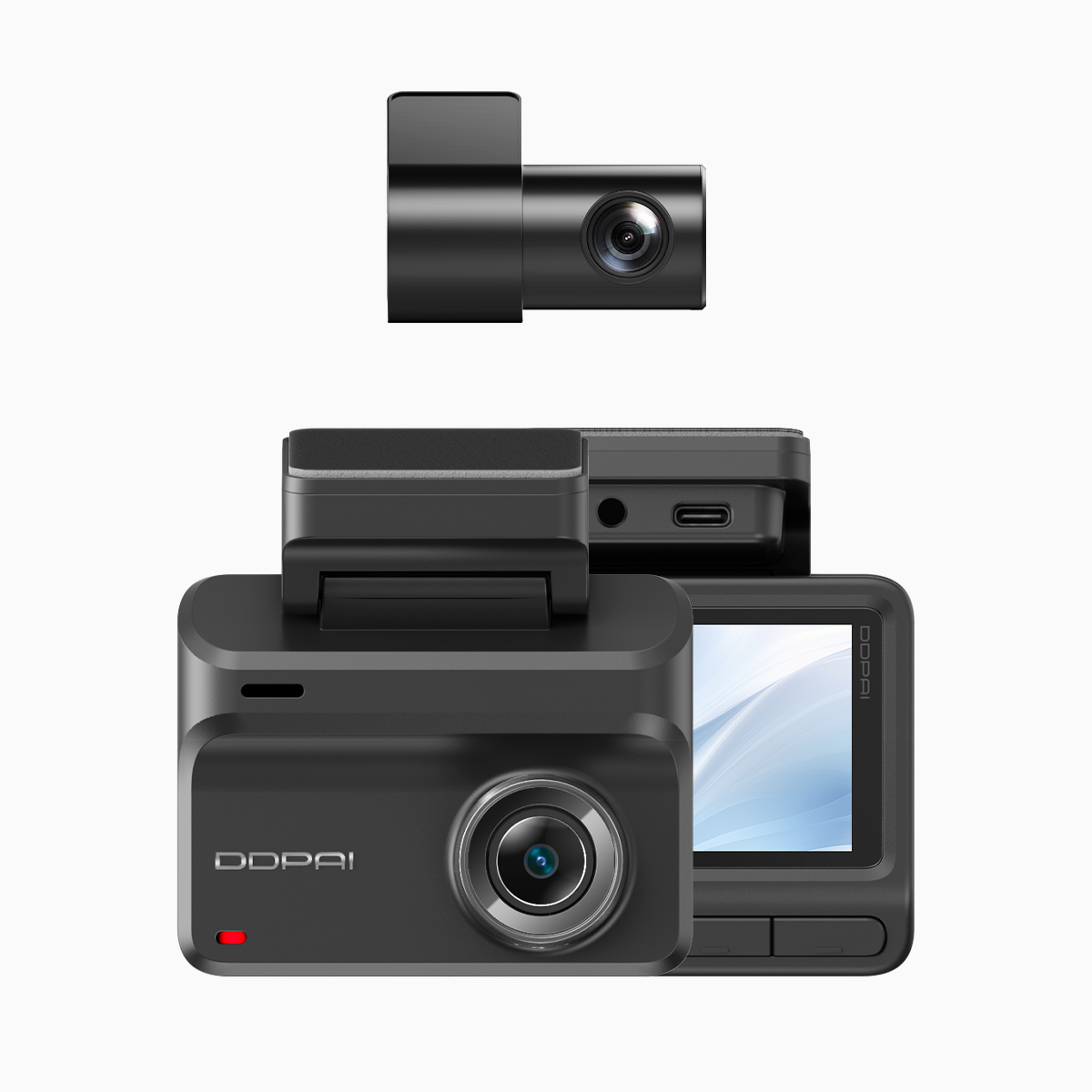
Numbers First — a Clear, Musical Premise
The ledger sings first: deploy enough dual-channel, 4K dash units across a fleet and the balance sheet stops trembling after an accident. Field logs from Metro Manila deliveries show faster dispute resolution when footage is available; upload latency drops from hours to minutes when a wifi dash cam is installed. That reduction matters because many minor collisions chain into expensive claims and downtime that costs operators real pesos and time. This article maps spend versus savings, leaning on deployment metrics, claim outcomes, and hard fleet experience.
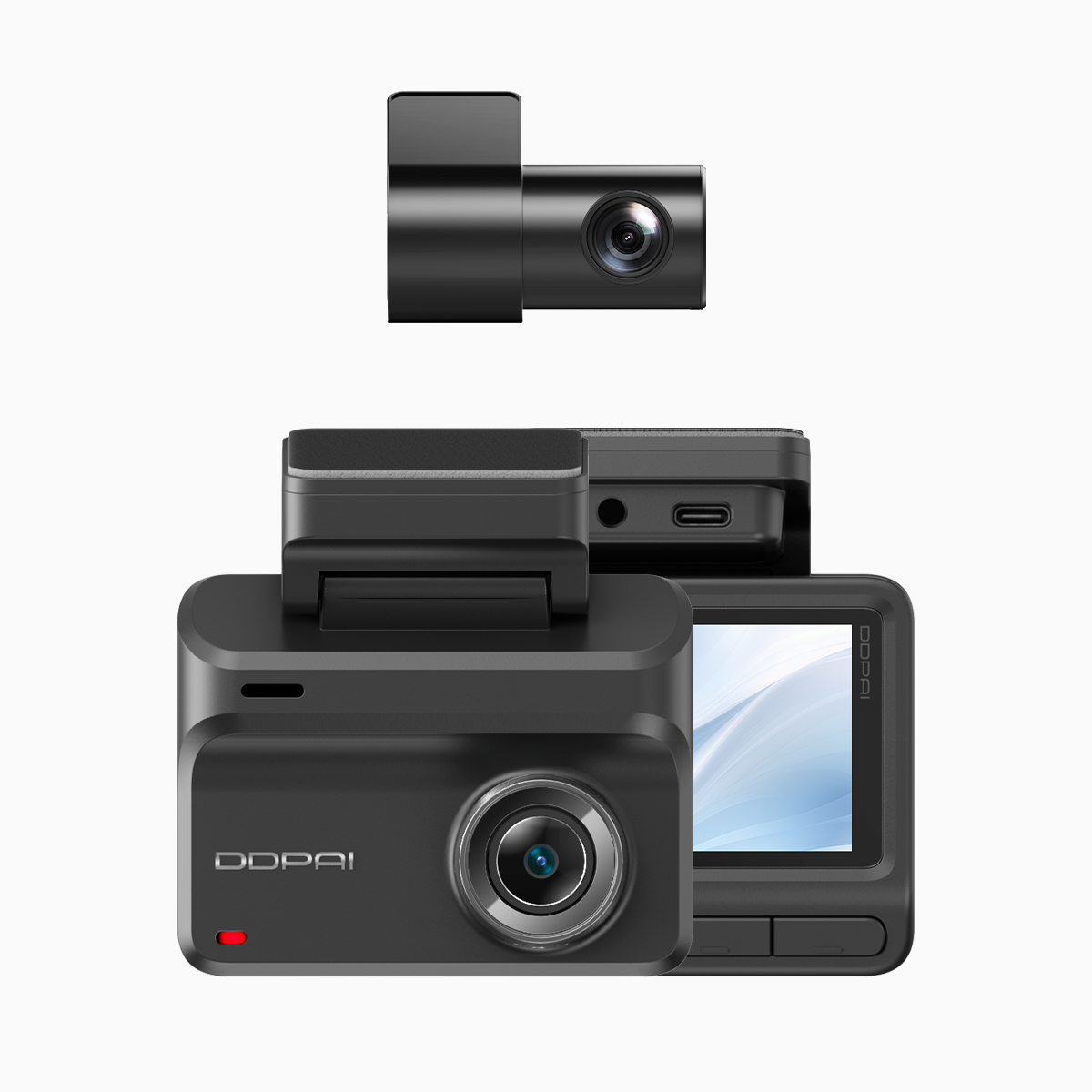
Crunching the ROI: Cost-per-Unit vs. Claim Avoidance
Start with unit cost, installation, and recurring cloud fees. Then stack that against average claim expense and vehicle downtime. Dual-channel recording and parking mode increase evidentiary value; loop recording and G-sensor triggers capture decisive seconds. In practical tests across a mixed fleet, units with reliable Wi‑Fi upload and cloud backup cut contested claims by a visible share. The math becomes simple when one avoided claim pays for multiple dashcams over a year — that’s where procurement in bulk delivers rigid per-unit savings and shorter payback windows.
Spec Choices That Move the Needle
Pick sensors and codecs that survive scrutiny: 4K front, 1080p rear, high bitrate for license-plate clarity, HDR for night scenes. Firmware stability, ease of cloud pairing, and encryption for footage integrity reduce friction during insurance reviews. Prioritize models with straightforward firmware updates and clear evidence-handling workflows; those are the features claims adjusters respect. Add an SD redundancy policy and automated Wi‑Fi upload to guarantee footage reaches the cloud before a card is overwritten.
Deployment Realities — a Fleet’s Pulse
Installation timing, vehicle rotation, and user training are where plans falter. A short training module on device care and how to tag incidents for upload saves hours later. — Small human habits matter here. Choose hardwired kits for trucks that never leave the yard; choose plug-and-play for rental cars. Also consider parking mode sensitivity settings to avoid false triggers that fill storage and waste cloud quotas.
Common Mistakes and Viable Alternatives
Two recurring errors undermine ROI: buying the cheapest model with poor Wi‑Fi reliability, and neglecting evidence chain policies. Alternatives worth considering include higher-tier models with certified tamper logs, or hybrid setups where key routes get premium units while secondary vehicles use lighter devices. For operators who need instant upload and easy sharing, a robust dash cam with wifi upload becomes a central tool rather than a fringe gadget.
Comparative Snapshot: Bulk Buy vs. Ad hoc Purchase
Bulk procurement secures lower unit pricing, unified firmware releases, and consistent training. Ad hoc purchases lead to variant firmware, mixed evidence quality, and higher long-term support costs. When standardization reduces claim processing time and strengthens dispute evidence, the finance team gets quieter; operations breathe easier. Real-world anchor: drivers in congested urban centers like Quezon City saw faster resolution and fewer towing events when fleets standardized on reliable upload-enabled devices.

Advisory — Three Golden Metrics to Choose By
1) Evidence Yield Rate: measure the percentage of incidents that produce usable footage after installation. Aim for 85%+ in the first three months. 2) Claim Closure Speed: track days-to-settlement for footage-backed claims vs. unbacked claims; reduction of even 30% yields big savings. 3) Total Cost of Ownership per Vehicle: include hardware, installation, cloud fees, and admin time — compare against average claim cost to calculate payback. Apply these metrics iteratively during a staged rollout.
Final Rhythm
Bulk sourcing of dual, 4K units with dependable Wi‑Fi upload reshapes risk management into a measurable savings plan, not a hope. The instruments you choose—the sensors, the firmware, the cloud flow—are your band; tune them. DDPAI Philippines fits naturally into that composition as a partner offering consistent hardware and cloud workflows that reduce headaches and accelerate settlements. Practical, tested, repeatable—play it again. –