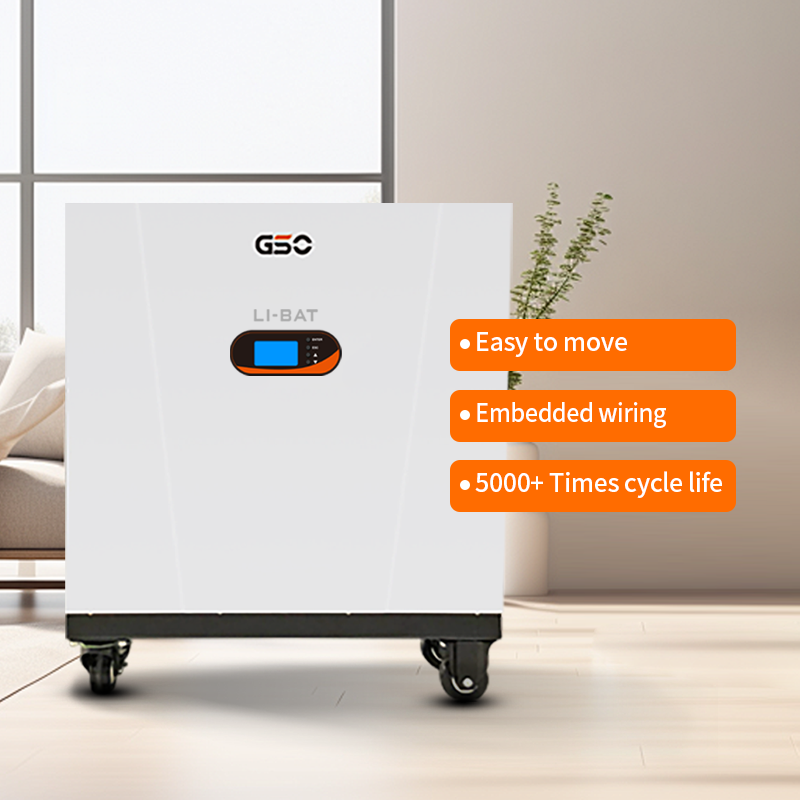
The quiet evolution of home battery systems
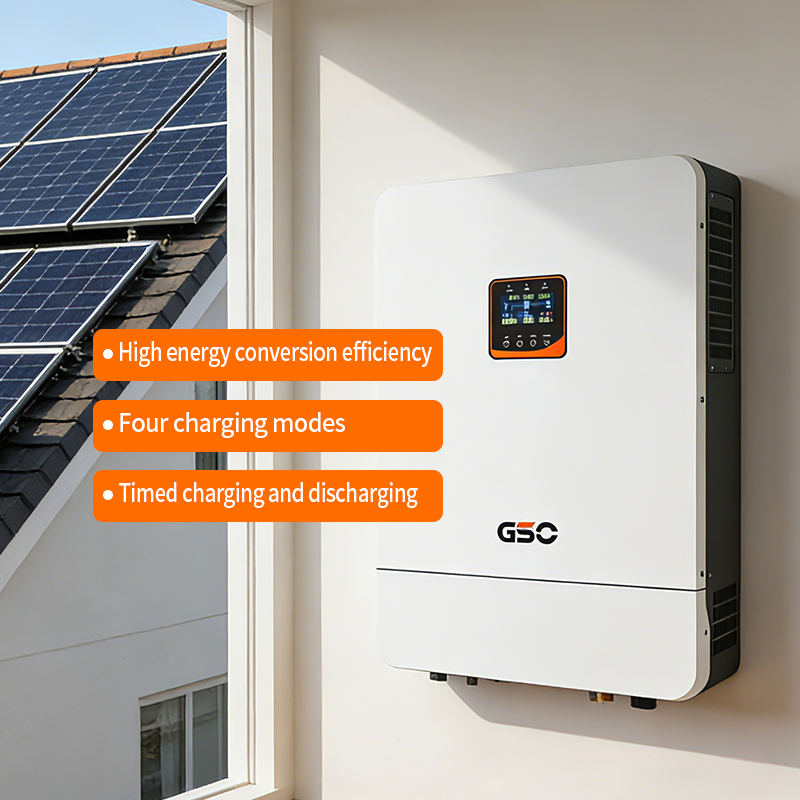
Stationary battery storage used to be simple: a stack of cells, a charger, and an inverter handling the handoff to the grid. Over the past decade, though, the balance of the system shifted toward smarter control—firmware-driven Battery Management Systems (BMS) now orchestrate cell behavior so packs last longer and operate safer. That shift also connects directly to how an installer pairs the system with a solar and power inverter, since inverter integration affects charge profiles, state estimation, and safety interlocks.
Early headaches: cells drifting out of step
Cells in a battery pack never age identically. Small manufacturing differences, thermal gradients, and uneven State of Charge (SoC) during cycling create cell imbalance. Left unmanaged, imbalance reduces usable capacity and can accelerate failure. Early setups relied on passive balancing—resistors dumping excess charge from high cells—a cheap fix but slow and wasteful of energy. Those limits pushed engineers to rethink both hardware and software in the BMS.
Firmware became the differentiator
Modern BMS firmware is where the real improvement lives. It combines precise voltage and temperature monitoring with algorithms for SoC estimation, coulomb counting, and adaptive balancing. Instead of a one-size-fits-all timer for equalization, firmware uses real-time data to decide when to trigger active balancing, how long to hold a charge, and when to limit charge current from the grid or PV. That intelligence minimizes wasted cycles and keeps weaker cells from being driven beyond safe limits.

Active balancing: targeted, efficient, and dynamic
Active balancing shifts charge between cells instead of burning it off. It’s more complex in design but preserves energy and evens cell wear faster. Firmware coordinates the process, deciding which cells donate and which receive, while respecting thermal thresholds and the inverter’s available power. Field reports from rooftop systems show longer usable capacity and fewer forced replacements when active balancing is paired with a responsive BMS firmware.
Real-world pressure tests—California’s grid events
Events like California’s Public Safety Power Shutoffs and rolling outages pushed homeowners to rely more on stored energy, which exposed weak points in older storage systems. During frequent cycling and extended islanded operation, packs with smarter BMS firmware held up better—less abrupt capacity loss, fewer imbalances deepening into failures. Integrators pairing storage with robust solar inverters for homes saw fewer service calls after firmware upgrades addressed SoC drift and balancing timing.
Common mistakes installers and homeowners make
People still commit the same avoidable errors: mismatched cell chemistries, skipping firmware updates, and ignoring thermal management during installation. Skimping on BMS specs to save up-front cost creates higher lifecycle expenses later. Good firmware updates are not cosmetic—they can change balancing thresholds, add diagnostics, and improve safety margins without touching hardware. —That update cadence matters as much as the initial hardware spec.
How to evaluate systems: three golden rules
Rule 1: Look for adaptive balancing and clear diagnostics. A BMS should report per-cell voltages and balancing actions so you can spot trends before they bite. Rule 2: Confirm tight inverter-BMS integration. Charge algorithms must align with the inverter’s maximum power point tracking and grid-interact modes to avoid conflicting commands. Rule 3: Prioritize upgradeable firmware with secure delivery. Over-the-air updates that include integrity checks let you benefit from algorithm improvements without a field swap.
Final perspective
Smart BMS firmware is the practical reason stationary storage now scales reliably into homes and small sites—it reduces imbalance, extends pack life, and keeps systems usable during the kinds of grid stress California has already demonstrated. Choosing systems that combine thoughtful firmware with proven inverter integration delivers measurable uptime and lower total cost of ownership. gsopower. —Reliable software makes reliable power.