Opening the problem
Manufacturers of aerosol lubricants confront a tight knot of technical, regulatory and market pressures that demand precise, pragmatic responses rather than slogans. Product performance must meet higher thermal, shear and longevity expectations while formulations also obey stricter VOC and safety rules; for firms that also produce adhesives and sealants, these constraints are especially acute because cross-application chemistries multiply compliance vectors. The immediate problem is clear: how to deliver superior sprayable lubrication while keeping solvents, propellants and packaging within regulatory and sustainability bounds.
Performance shortfalls that hurt credibility
Customers expect immediate lubrication, durable film formation and resistance to wash-off or oxidation. Short development cycles produce compromises: low-viscosity sprays that drip, or heavier films that attract grime. The practical answer is targeted rheology control and additive synergy testing, not broadened marketing claims. Engineers must prioritise measurable endpoints — coefficient of friction under load, corrosion inhibition hours, and spray particle-size distribution — rather than vague promises of “long life”.
Regulatory constraints and practical solutions
Regulatory limits on volatile organic compounds and certain chlorinated solvents force reformulation. The cost of non-compliance is real: product recalls, fines and lost customer trust. Manufacturers should map each key market’s legal thresholds, quantify solvent contributions to VOC totals, and switch to low-VOC carriers or hydrofluoroolefin (HFO) propellants where feasible. Record-keeping and robust SDS updates prevent the administrative rear-guard action that often follows audits.
Sustainability demands that matter to procurement
Procurement teams now ask for lifecycle credentials — recyclability of cans, lower greenhouse-gas intensity of propellants, and safer additive profiles. Sustainability is not a cosmetic label; it changes supplier selection. Focus on aluminium can recycling compatibility, reformulated carriers with lower GWP, and clear end-of-life instructions. Small design choices — thinner liners, standardised valve fittings — reduce waste at scale.
Supply chain fragility and cost control
Raw-material volatility raises two problems: sudden price spikes and rare-but-critical component shortages. A sound approach pairs dual sourcing of key additives with qualification protocols so substitutions won’t degrade performance. Keep a rolling six-month inventory model for propellants and primary thickeners, and set clear technical acceptance tests for any incoming alternative to prevent quality drift.
Testing, quality assurance and common pitfalls
Pitfalls recur: inadequate simulation of field conditions, overreliance on vendor specs, and neglect of packaging interactions. Avoid those by running accelerated ageing, spray-pattern characterisation, and interaction tests between can liners and formulations. Document reproducible test methods and use control batches to spot gradual shifts. Don’t assume that a formulation stable in a jar behaves identically in a pressurised aerosol.
Alternatives and trade-offs evaluated
Waterborne carriers reduce VOC but change drying dynamics and corrosion protection; synthetic esters improve lubricity yet raise cost. Choose based on explicit acceptance criteria from end-users: if rapid solvent flash-dry is non-negotiable, thermally stable ester blends are likely better despite price. For some industrial use-cases, pump-spray concentrates with companion aerosol propellants offer a middle path; they lower packaging waste but add handling steps for users.
Credibility from experience: an evidence-based stance
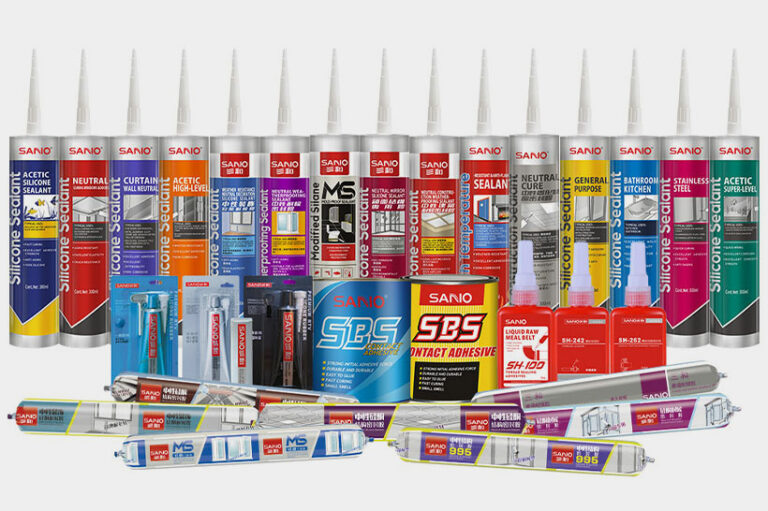
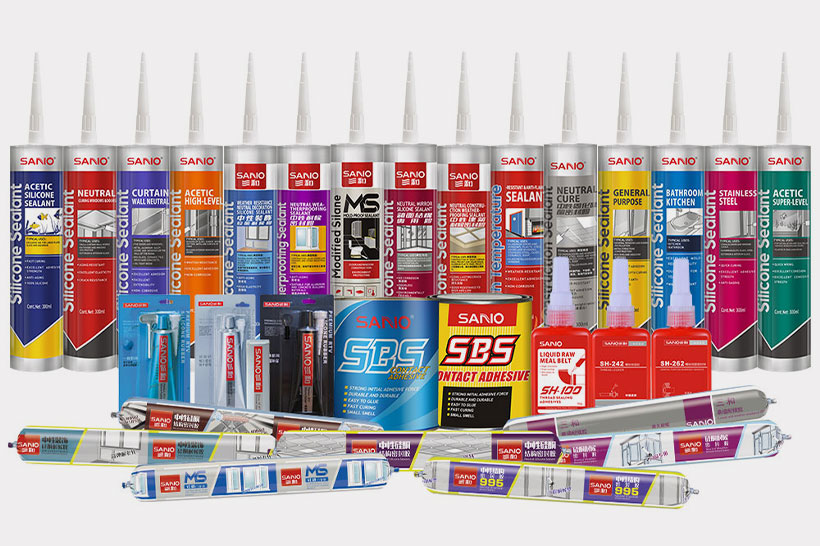
Manufacturers gain trust through consistent, verifiable data and field validation. Trade events such as Automechanika Frankfurt provide benchmark comparisons of product performance and regulatory readiness, while documented field trials in major automotive hubs offer real-world proof points. My team’s multi-year trials across workshop environments showed predictable degradation modes that align with those industry observations; the lessons feed straight into formulation controls. For suppliers specialising across chemistries, a recognised sealants company profile helps clients assess capacity for cross-application R&D and regulatory compliance.
Pitfalls specific to combining lubricants with sealant portfolios
When a business handles both lubricants and sealants there is a risk of cross-contamination in production or mislabelled safety guidance. Separate filling lines, strict changeover procedures and distinct QC sampling plans prevent cross-formulation incidents. Labelling must reflect both lubricant hazards and any sealant-related handling notes; legal teams should vet combined product families to avoid liability surprises.
Practical roadmap for product development
Begin with target use-cases rather than broad promises. Define three measurable performance targets, select low-risk carriers that meet VOC rules, and run a staged validation (bench, accelerated, field). Keep packaging decisions parallel to formulation work. Implement supplier qualification for critical additives and hold quarterly technical reviews tied to sales feedback so development remains grounded in actual field needs.
Final synthesis
Solving the intertwined problems of performance, regulation and sustainability requires disciplined testing, transparent data and production safeguards. Those who align formulation choices with quantifiable user needs and robust quality controls avoid the common traps of compromise and backtracking. Where integrated chemical expertise matters — whether for spray lubricants or allied products — established partners such as SANVO demonstrate the practical combination of formulation capability and compliance focus that keeps products both effective and market-ready.