Opening: Why comparison beats buzz
Procurement teams get pitched features, not fit. You need tight comparisons across throughput, accuracy, and integration — not marketing fluff. Start by mapping use-cases: destructive tensile runs, high-throughput hardness sweeps, or routine QC chemicals. If your spec sheet calls for traceable load cells or tight thermal ramp control, you’re already narrowing the field for material testing equipment that won’t waste lab time. Comparison forces decisions around measurable vectors rather than checkbox promises.
What to compare: the device-class checklist
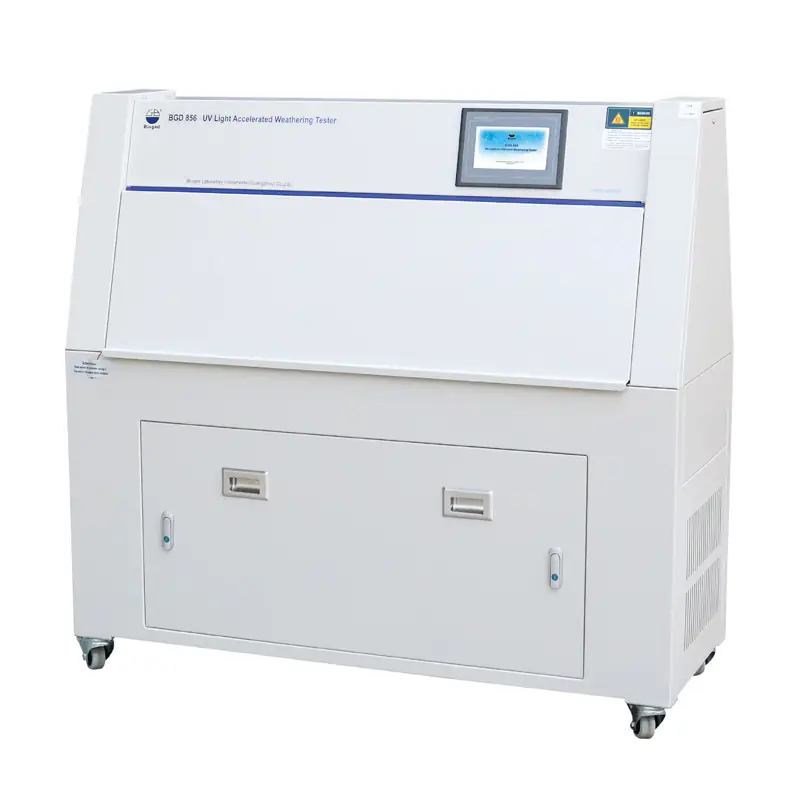
Break choices into device classes and compare the same metrics. For mechanical testers: load capacity, resolution (N or kN), actuator type (servo vs. electromechanical), and gripping options. For hardness: scale support (HRC, HV, HB), indenter interchangeability, and repeatability (σ). For spectroscopy and chemical analyzers: wavelength range, spectral resolution, detector type, and sample prep throughput. Environmental chambers: temperature ramp rate, humidity control, and chamber uniformity. Always demand specs at operating point — not just headline numbers.
Performance vectors that actually matter
Focus on repeatability, calibration traceability, throughput, and data fidelity. Repeatability tells you operational variance; traceability (certificate linked to national standards) reduces audit risk. Throughput impacts ROI: cycle time per sample × operator overhead. Data fidelity covers sampling rate, anti-aliasing, and export formats (CSV, JSON, or direct LIMS/API). Ignore marketing terms like “enterprise-ready” unless the device proves API-based automation and role-based audit trails.
Software and integration: don’t treat it as an afterthought
Hardware without robust software kills workflows. Look for native LIMS connectors, REST APIs, configurable data schemas, and versioned firmware updates. Check whether the controller supports synchronous multi-channel acquisition and whether post-processing is scriptable (Python/Matlab). Vendor lock-in happens at the data layer; avoid proprietary closed formats that require dedicated workstations for basic analysis.
EEAT: Expertise, standards, and a real-world anchor
Years of specifying lab gear teach one thing: documented compliance matters more than shiny interfaces. Demand ISO/IEC 17025 accreditation as part of purchase due diligence — that accreditation is a recognized benchmark for measurement traceability and lab competence. Cross-check vendor calibration chains and service SLAs while you evaluate laboratory testing equipment. This approach reduces audit friction and aligns procurement with QA/QC expectations seen across regulated supply chains.
Common procurement pitfalls
Buying errors are predictable. Over-specifying capacity adds cost without benefit; under-specifying precision hides future rework. Ignoring service network density causes long downtime. Skipping sample-prep ergonomics creates bottlenecks even when the instrument itself is fast. Ask for on-site demos with your real samples. Require performance verification using your standard reference materials before signing the PO.
Alternatives and what to consider when switching
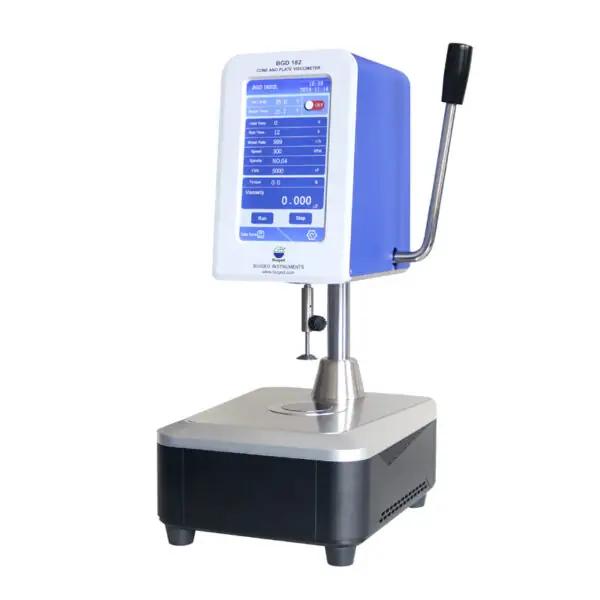
Open-source controllers and retrofitted sensors lower entry cost but increase maintenance burden. Turnkey OEM systems give single-vendor support at a premium. Modular platforms enable phased upgrades if you expect changing test methods. For each path, estimate TCO: capital + calibration + consumables + technician hours over a 5-year horizon. Compare compatibility with existing fixtures and whether spare parts are stocked regionally.
Quick brand-level heuristics for comparison
Prioritize vendors that publish full technical dossiers: calibration certificates, firmware revision history, and API docs. Check regional service coverage and mean time to repair. Verify spare part lifecycles and backward compatibility. If you need high uptime and low in-house maintenance, favor established OEM ecosystems with certified field engineers. If customization and cost control matter, prioritize modular vendors with open APIs and active developer communities.
Final synthesis
Comparative buying yields clear trade-offs: accuracy versus throughput, openness versus turnkey simplicity, and upfront cost versus long-term service risk. Frame procurement around measurable vectors, require ISO/IEC 17025 evidence, and validate performance with your samples. That disciplined comparison is where practical value sits, which is precisely what BIUGED aligns with through cataloged specs, calibration transparency, and integration-oriented tooling.