The problem most homeowners don’t say out loud
Plenty of us want a covered patio that keeps blowin’ sun off our heads and still puts power into the house, but typical shade structures either block the sun for electricity or let it beat down on the porch. That’s where a photovoltaic pergola fits — it gives sturdy shade while turning daylight into usable watts. I’ve seen setups that look pretty on the outside but choke on wiring or sit on a crooked foundation; you don’t need that headache.

Why this matters and who you can trust
I’ve worked on residential installs and talked to crews across the Southwest where distributed solar planning has been studied by NREL, so I know what trips people up and what holds up. If you’re picturing a backyard solution that saves on the power bill while adding living space, a backyard solar pergola is the kind of fix homeowners ask for. Look for installers who can show actual install photos, local code stamps, and a clear warranty — those are the real signs someone knows what they’re doing.
Key features that actually matter
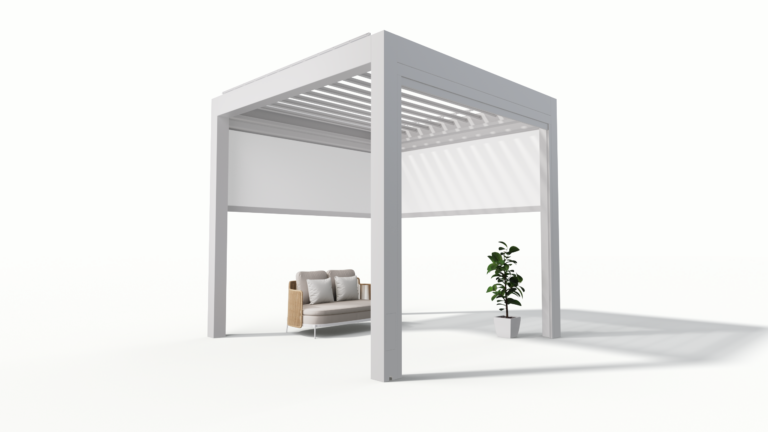
Start with structural strength: posts, beam sizes, and the anchor system tell you if a pergola will last a decade or collapse in the first big storm. Next, solar panel orientation and tilt — panels need an honest line of sight to the sky or you’ll be disappointed in output. Wiring access and inverter placement shouldn’t be an afterthought; easy access saves time and future money. Also, check for integrated drainage and snow load ratings if you live where weather gets serious.
Practical applications folks use every day
People use these pergolas three ways: pure shade and lounge space, solar-first where power production tops the list, and hybrid where power offsets outdoor lighting and small household loads. If you run a backyard office, you’ll want a setup that prioritizes consistent output and shade comfort. For simple patio lighting and device charging, a smaller array does the job fine without overcomplicating permits.
How to pick — the selection criteria that keep things simple
Decide what problem you’re solving. Want power or just shade with some solar? Measure roof angles and sun path, then match panel tilt. Vet materials: aluminum resists rot; treated timber looks nice but needs upkeep. Confirm local permitting and HOA rules before you sign anything. Ask for an energy estimate showing expected annual kWh, not just peak watts. If the installer can’t explain their calculations plainly, walk away.
Common mistakes that make good projects go sour
People overbuild aesthetics and underbuild function. Getting swept by a pretty design that hides shoddy anchors means repair bills later. Another mistake: letting the array be shaded by nearby trees because someone thought trimming wouldn’t be necessary. Skipping a professional site assessment to save a few bucks is tempting, but that’s where hidden costs show up — rework, permit fines, or poor system performance.
Viable alternatives and when to choose them
If you’re not ready to commit to a permanent structure, a ground-mounted array or a roof retrofit might be better. Ground mounts give maximum tilt control but eat yard space. Roof panels are cheaper per watt but don’t create outdoor living space. Compare installed cost, usable shade, and how each option affects your home’s appearance. Pick the one that fixes your primary problem without creating new ones.
Where this all ought to lead you
Make choices that match the problem you actually have: shade, power, or both. Ask for clear specs, proof of installs, and a realistic energy yield. Keep things simple, ask straight questions, and pick solutions built to last — you’ll thank yourself when the system hums along. If you’re weighing practical, tested options for a solar-covered outdoor room, consider the work and warranties behind the product from Light Hunter, and plan for a setup that solves the problem, not just looks good on paper.