Immediate problem: printer design choices create hidden costs
Dental teams face a set of urgent, solvable problems when selecting a capsule 3D printer: material waste, fit variability, regulatory traceability, and how the print stage fits the capture workflow — especially when paired with a Photogrammetry 3D scanner. Teams pick a box and expect consistent crowns, models, or guides; when the printer’s capsule design shifts curing profiles or causes excess support, clinics pay with reprints, patient delays, and environmental burden. This piece uses a problem-driven approach: spot the specific failure modes in design, then evaluate trade-offs with clear tests you can run in your practice.

Where capsule design actually breaks things
Capsule systems bundle resin, light path, and dispensing into a single unit. That simplification hides three failure modes: uncontrolled cure depth when capsule optics vary; inconsistent flow or air entrapment with tight nozzles; and sealed capsules that force full disposal even for partial use. Each results in either compromised fit or excess material waste. Watch parts for layer delamination, measure surface gloss variance across prints, and note instances where a small job requires a full capsule swap — those are immediate red flags.
Accuracy, materials, and ecological footprint
Evaluate claimed XY resolution against real output: print a standard dental stump and measure marginal gap with calipers or a lab scanner. Test across recommended resins — restorative, model, and surgical guide — because capsule chemistry affects viscosity and cure kinetics. Track material yield: how many parts per capsule under typical settings? A printer that sacrifices yield for convenience raises operating costs and environmental impact. Consider post-processing needs: more solvent baths and post-cure energy drive the lifecycle footprint up.
Data fidelity and workflow friction — the photogrammetry link
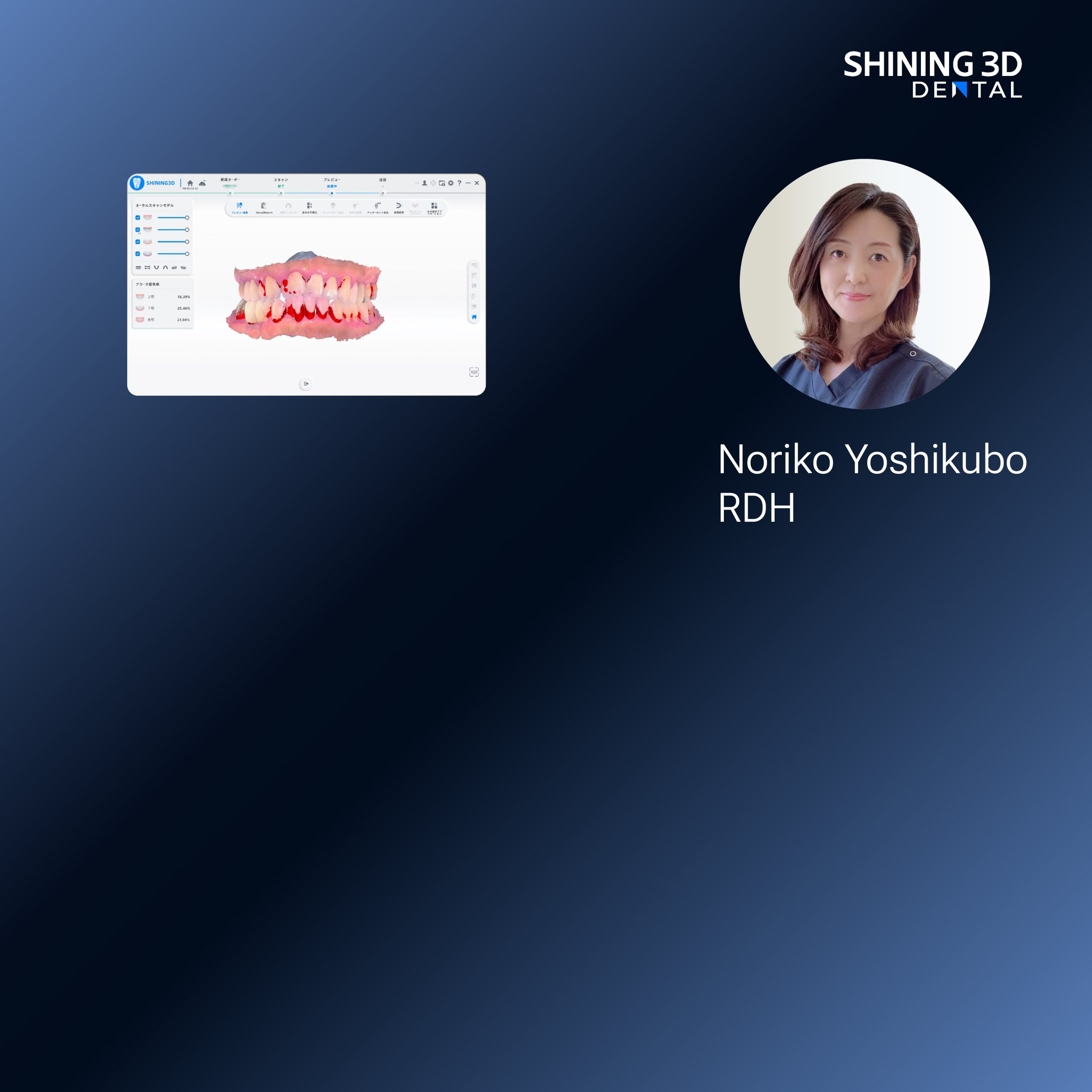
Design doesn’t live in a vacuum; it must accept accurate scans and preserve that fidelity. At the International Dental Show in Cologne, live demonstrations showed how intraoral photogrammetry / IPG streams high-resolution meshes into downstream slicers — but any mismatch between capture density and printer slicing amplifies error. Test with a high-detail intraoral file: export raw meshes, slice with the printer’s software, and compare printed anatomy to the original scan. If teeth detail blurs or occlusal contacts shift, the capsule’s light uniformity or resin response is the weak link.
Alternatives worth comparing quickly
Don’t assume capsule equals best. Compare sealed-capsule systems against bulk-resin with dosing pumps and cartridge-based dispensers. Capsule wins on contamination control and speed; bulk systems often win on per-part cost and refill flexibility. Also compare single-wavelength LEDs to multi-wavelength arrays: some resins cure better under broader spectra, so a single-wavelength capsule might limit material selection. Run a short A/B trial: print the same test part on both systems, track yield, post-process time, and operator steps required.
Common procurement mistakes and how to avoid them
Teams routinely skip three checks: they don’t quantify per-part cost, they ignore the ease of serviceability, and they fail to simulate real clinic jobs. Avoid those errors by pricing for total cost of ownership over 12 months, confirming spare-part availability, and printing five representative cases you actually do weekly. Train a technician on capsule swaps and timed maintenance; if a system needs manufacturer-only service every month, you’ve just created downtime risk.
Practical checklist for acceptance testing
Before you commit, run these steps: 1) Print a standardized dental benchmark and measure marginal and occlusal deviations; 2) Record material used per job to calculate yield; 3) Log time from scan to final post-cure; 4) Confirm waste handling procedure and quantities; 5) Verify software accepts open STL/OBJ meshes without forced recapture. If any test shows variability over three consecutive prints, flag that design element for negotiation or rejection.

What this means and where to focus resources
Design choices in capsule 3D printers shift costs from lab technique to material lifecycle and software interoperability. Prioritize systems that show consistent optical uniformity, transparent material metrics, and modular serviceability. Those attributes lower reprint rates, reduce hospital waste, and preserve diagnostic detail from scan to part. Field trials, lab measurements, and clinician feedback will point to the right balance, which is exactly the kind of practical, tested expertise reflected by SHINING 3D DENTAL.