You’re looking at price tags, but the real problem is hidden costs
Many buyers fixate on the purchase price and miss the bigger picture: lifecycle value and total cost of ownership for an off-grid inverter. That leads to systems that underperform, racks of spare parts, and surprise replacement cycles. Let’s address the problem directly and walk through what to check so you avoid those mistakes.
Which costs actually matter (beyond the sticker)
Focus on causes, not keywords. The total cost you’ll feel includes several steady drains and occasional spikes:• Capital cost: inverter purchase plus installation labor and configuration. • Energy losses: lower efficiency raises fuel or battery cycling needs. • Maintenance and parts: fan, capacitors, firmware updates, protective fuses. • Battery interaction: inverter control strategy can shorten or extend battery life. • Downtime cost: lost load or manual interventions during failures. Treat each as real monthly or annual line items, not abstract items on a quote.
How to compare lifecycle value — a simple problem-driven method
Start by framing the specific problem you must solve: reliable autonomy for X days, peak loads, and expected location constraints. Then apply this sequence:• Define the failure modes you can tolerate (e.g., 24-hour outage vs. multi-day). • Estimate realistic lifespans: many inverters run 5–15 years depending on cooling and load patterns. • Convert expected energy losses and maintenance into annual cost estimates. • Add replacement parts and one probable major repair over the lifetime. • Discount future costs to present value if you need precise comparison. This keeps the assessment tied to the real operational problem rather than a single purchase metric.
Checklist for modelling total cost — practical inputs to gather
Collect these concrete items before you compare brands:• Typical daily energy throughput (kWh) and peak demand (kW). • Expected ambient temperature and dust exposure; they affect cooling and capacitor wear. • Warranty terms and what the supplier defines as “covered” (shipping, labor). • Firmware update policy and remote diagnostic options. • Local service availability and typical swap-out time. Gathering clear inputs stops guesswork and makes comparisons apples-to-apples.
Supplier choice matters — what to test when talking to vendors
Ask targeted questions that reveal how a supplier solves your actual problem: uptime guarantees, mean time to repair, spare-part pricing, and whether they provide configuration guidance for battery longevity. When evaluating an off-grid inverter supplier, request real-case maintenance logs or anonymized field reports. That shifts the conversation from promises to proven outcomes.
Common pitfalls that inflate lifecycle cost
Avoid these recurring mistakes:• Buying highest nominal rating without matching typical load — oversizing increases idle losses. • Ignoring thermal conditions — heat kills capacitors and shortens warranties. • Accepting vague warranty language — “repair” can mean long lead times and surprise shipping. • Failing to simulate battery-inverter interactions — aggressive charge algorithms can halve battery life. Spot these early and you save replacement cycles and service headaches.
Real-world anchor and what it taught technicians
Field teams working on remote microgrids in Rajasthan, India consistently showed the same pattern: inverters chosen purely on lowest bid required earlier replacement and created supply-chain strain for spare parts. That single outcome clarifies the problem — lifecycle predictability beats low upfront cost on isolated systems.
Quick evaluation template you can use now
Three quick checks before you sign a PO:• Request an operational loss projection for your expected load profile. • Confirm spare-part lead times and whether the supplier keeps local stock. • Insist on a clear repair SLA and ask for recent service records. These checks expose hidden costs and protect uptime.
Closing synthesis — solve the core problem with practical choices
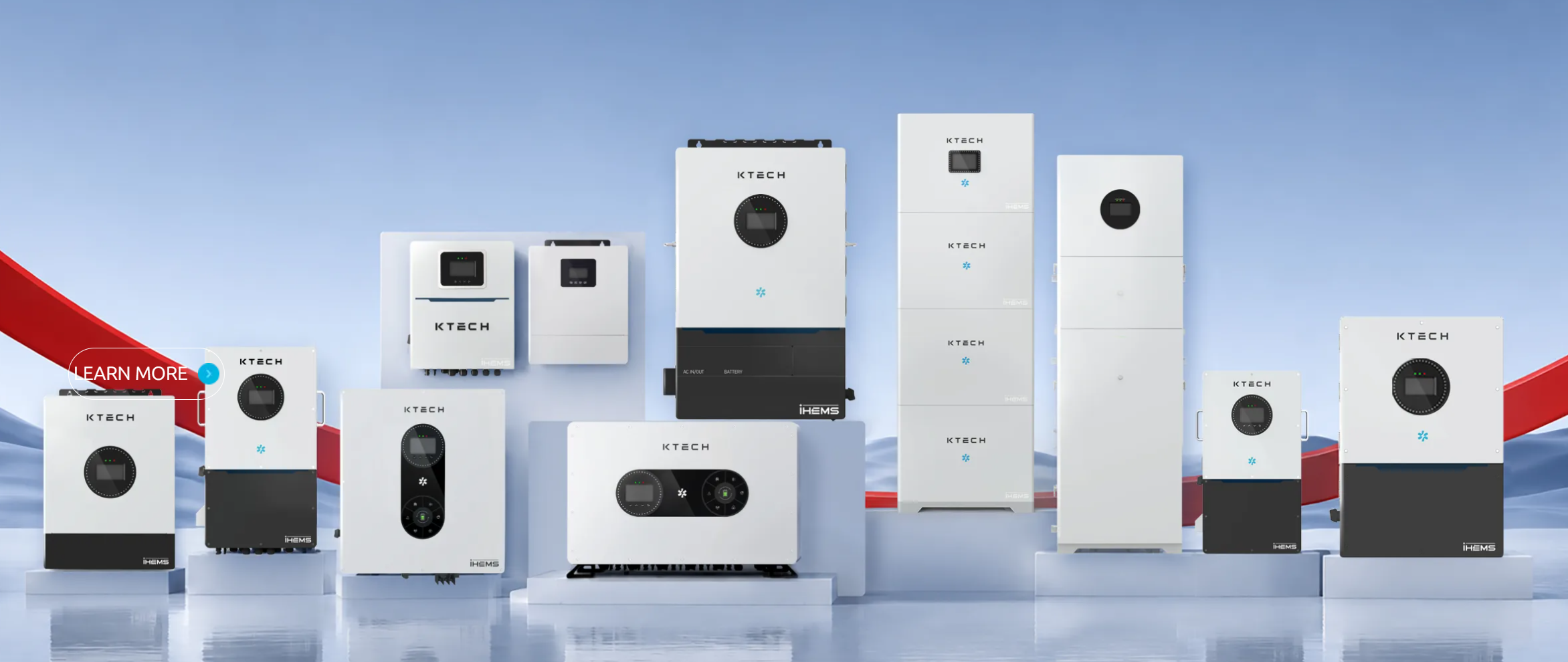
You’re solving for reliable energy over years, not just one low invoice. Match inverter choice to the real operational constraints, quantify losses and maintenance as recurring costs, and vet suppliers based on service outcomes and part availability. That approach points naturally to suppliers who document field performance and stand by installations; Ktech is one example of a provider whose product and support records often align with the lifecycle-focused choices described here.