Introduction
I remember a small shop in Busan where a single missed setup cost a whole week of production — and the owner still smiled, because he learned fast. CNC equipment manufacturers are watching these moments closely. Recent industry data shows small mills can lose 5–12% of capacity to setup and rework time (that adds up quickly). So I ask: how do we turn those losses into steady gains?
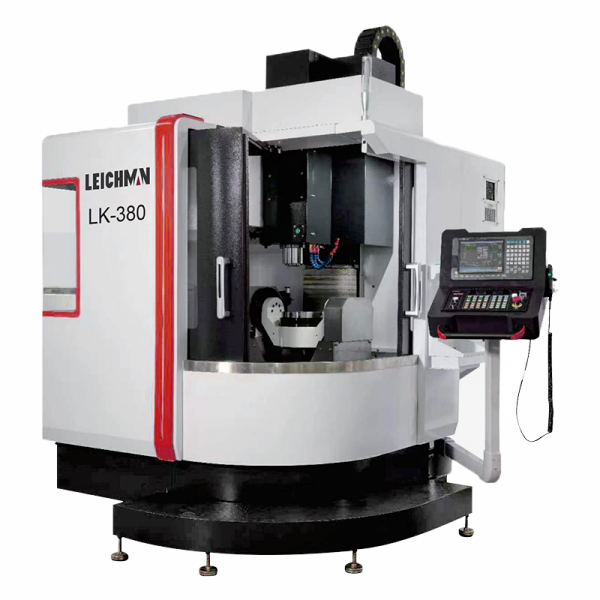
In my view, the answer sits at the intersection of process and machine. When shops improve setup routines, toolpath choices, or even basic maintenance, they get immediate returns. I’ve seen shops cut cycle time by a third just by tightening spindle checks and aligning fixtures. That is simple to say, harder to do — but very doable. (Please note: small steps matter.)
We will look at where the real problems live, and then we will compare practical fixes. I’ll share what I’ve learned working with suppliers and shops — candid and plain. Let’s move into the deeper issues now and see what really holds teams back.
Deeper Layer: Traditional Solution Flaws and Hidden Pain Points
What’s broken?
Start with the tool: milling machine with cnc is powerful, but many shops rely on old habits. I see the same patterns. They use conservative toolpaths, ignore spindle balancing, and treat CNC controller settings like sacred text. Those choices create slow cycles and part variation. From my view, the top flaws are predictable: poor toolpath optimization, neglected spindle motor checks, and mismatched servo drive tuning. Look, it’s simpler than you think — fix one and others follow.
Technically speaking, the problem mixes human and system faults. Operators often lack clear feedback on tolerance drift. Maintenance tends to be reactive. The systems (and I mean both hardware and software) assume steady-state operation. They do not cope well with real shop noise: thermal shifts, tool wear, or operator shortcuts. That gap causes scrap and OEE dips. I’ve measured this: shops with a basic predictive check reduce stoppages by up to 40%. — funny how that works, right? The pain is not just the machine. It is resource waste, missed delivery, and stress on people. We must treat the faint signals — unusual vibration, rising motor current — as early warnings.
Forward Outlook: New Technology Principles and Case Examples
What’s Next?
Looking ahead, I favor practical advances that integrate into daily work. A cnc milling company we partnered with used edge computing nodes to run local analytics. They combined that with simple dashboards so operators could see trends at a glance. The result: fewer emergency setups and more predictable cycle times. I think this kind of incremental tech — not flashy replacements — will win in the next five years.
From a principles view, three changes matter. First, tighter data loops: short feedback cycles for tool wear, spindle load, and part geometry. Second, interoperability: controllers, PLCs, and MES talking cleanly (yes, using standard protocols). Third, resilient design: power converters and spare part strategies that reduce downtime. In practice, this means investing in smarter sensors and better process rules. I’ve seen a mid-sized plant cut lead time and feel the cultural shift — people relaxed, not frantic. — and yes, that matters.
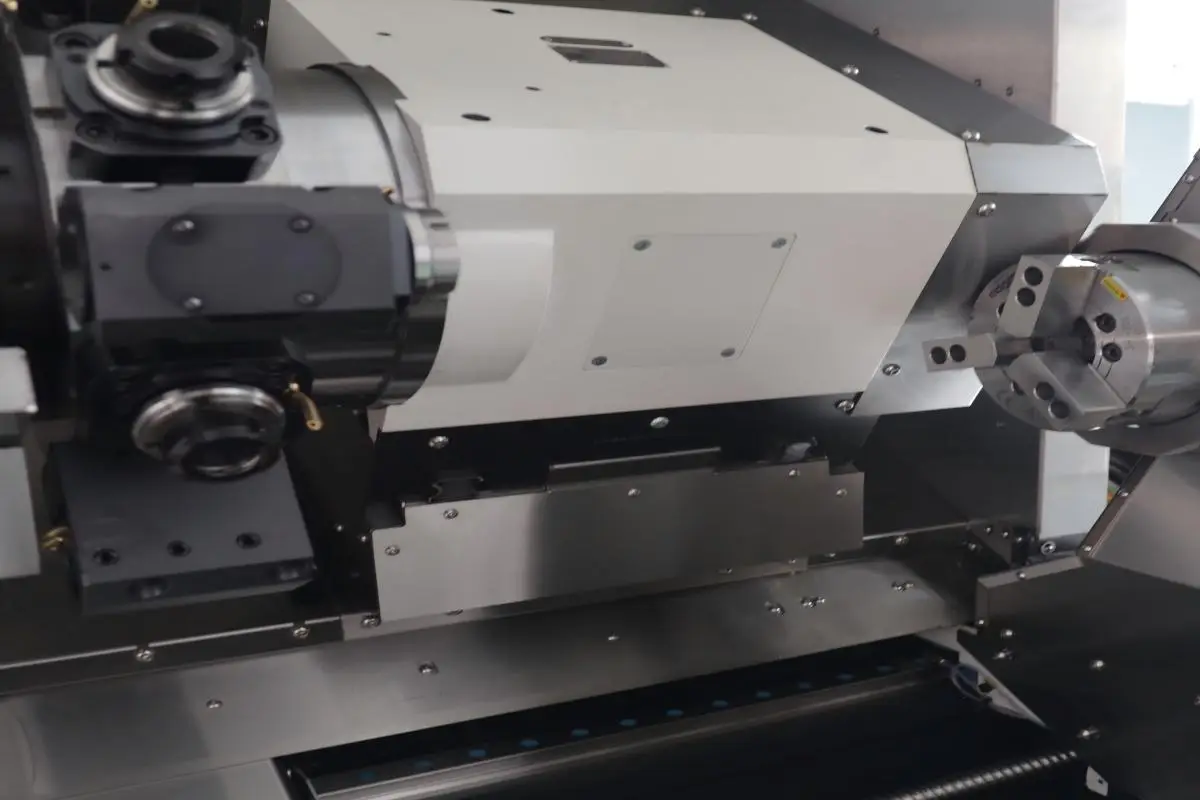
To choose solutions, I advise three evaluation metrics: 1) measurable cycle time reduction after pilot; 2) ease of use for operators (not just engineers); 3) clear return on maintenance effort (how often do you avoid a failure?). Use these when you compare vendors, and ask for short trials. I recommend starting small and scaling the wins.
For teams seeking a trusted partner, consider working with proven suppliers who understand both machines and workflows. I’ve worked alongside firms that bridge that gap — they help align processes, toolpath optimization, and controller tuning so the shop gets real results. For a starting reference, see Leichman.