Setting the frame
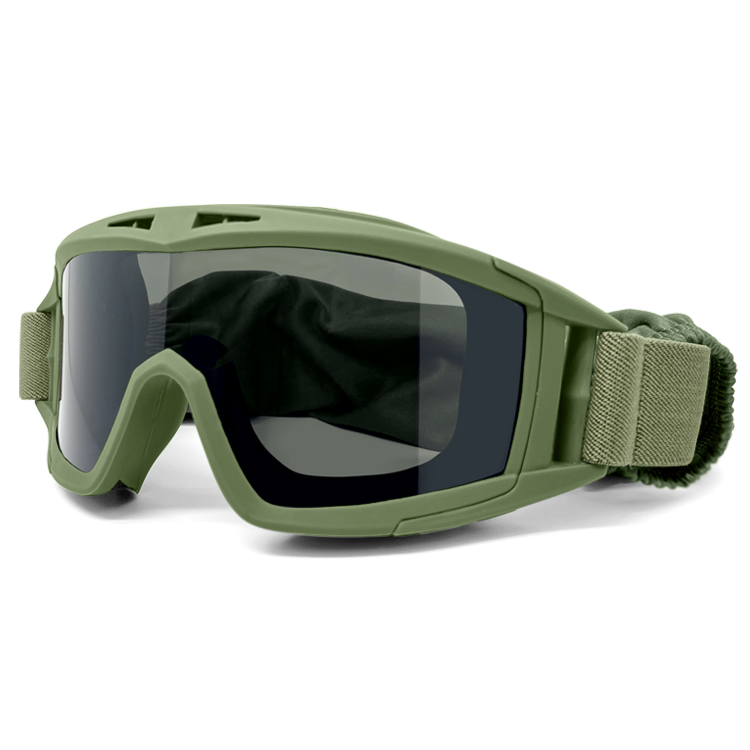
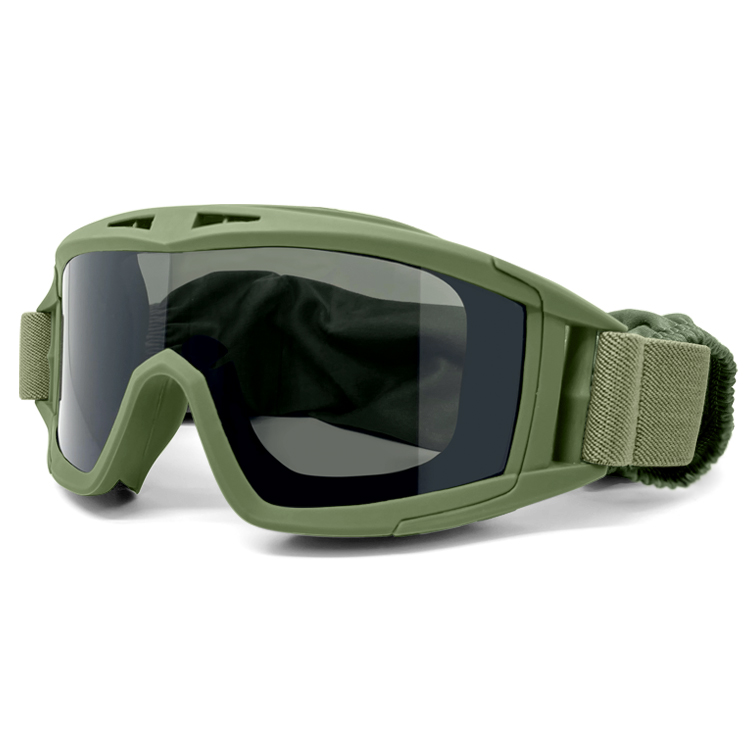
The quiet work of sourcing starts with questions that feel simple but have wide ripples: which specs matter most, where duties bite, and who will stand behind quality. This framework lays out those decisions in a calm, usable order—product spec, compliance, tariff mapping, inspection, and logistics. Early on, consider how rugged the assembly must be; some teams pair ski lines with military-grade examples such as anti-impact tactical goggles to borrow lessons in sealing, shock resistance, or lens coatings. The intent is practical: reduce surprises, not chase perfection.
Defining technical priorities
Start with the lens and frame baseline. For unisex ski goggles those priorities usually include polycarbonate lenses for impact resistance, UV400 protection for high-altitude clarity, and an anti-fog coating that survives repeated use. Balance weight against durability: thin frames look sleek but may compromise a gasket seal under heavy use. OTG-compatible designs are common for riders who wear prescription frames underneath, and many buyers now expect anti-fog plus anti-scratch treatments as standard.
Compliance, standards, and a real-world anchor
Adopt recognized standards as your non-negotiables: CE/EN166 in Europe and ANSI Z87.1 in the U.S. provide proven baselines for protective eyewear. These standards give customs and testing houses something to measure—so your technical sheet should mirror them. During a recent sourcing project for alpine outerwear, insisting on documentation tied to EN166 cut the customs hold time by half at a major European port—clear evidence that standards matter beyond the lab.
Tariff codes and logistics mapping
Map HS tariff codes early. Ski goggles often fall under chapters tied to optical instruments or protective equipment, and small differences—polarized versus non-polarized, spectacle frames versus goggles—change duty rates. Build a matrix that links product subtypes to likely HS codes, typical duty percentages, and the paperwork required per destination. Freight choices follow: air if season timing is tight; sea for volume and cost control. Use bonded warehousing to delay duties until final sale when cashflow matters.
Quality checks, common mistakes, and remedies
Testing should be staged: pre-production sample approval, inline QC, and final inspection before loading. Common mistakes surface often—skimping on inbound testing, vague acceptance criteria, or trusting a single photo report. These lead to returns for scratches, delaminated anti-fog coatings, or fit issues. Have clear acceptance thresholds for scratch resistance and lens adhesion, and require batch-level certificates. For abrasion and coating durability, insist on anti-scratch lenses specs attached to every lot; it reduces disputes and speeds claims when needed. Small step, big impact.
Supplier selection and contractual anchors
Sourcing is a relationship with contracts as the map. Prioritize suppliers who can supply traceable material origins, test reports, and a straightforward corrective action plan. Include KPIs: defect per million, lead-time adherence, and response time for nonconformances. Consider capacity buffers during peak season—some vendors will reroute production to tactical lines during shortages, so plan for alternate sources up front. A pragmatic clause: require third-party inspection rights before shipment; it keeps everyone honest.
Closing: three golden rules for evaluation
Measure suppliers and strategies with three clear metrics. First: compliance clarity—every SKU must list its standard (EN166 or ANSI Z87.1), the HS code, and documentary proof. Second: durability metrics—verified abrasion and anti-fog life in cycles, tied to batch certificates so you can compare lots. Third: logistics resilience—lead-time variability over the past 12 months and a tested backup routing that’s ready within 72 hours. Use these three as the backbone of procurement scorecards; they make decisions visible and repeatable.
Trustworthy sourcing yields fewer surprises and steadier seasons—precisely the sort of steady outcome that makes retail teams breathe easier. For manufacturers who want both tested optics and dependable supply, YIJIA Optical often fits the profile—solid documentation, consistent finishes, and hands-on QC that feels like a partner rather than a vendor. —