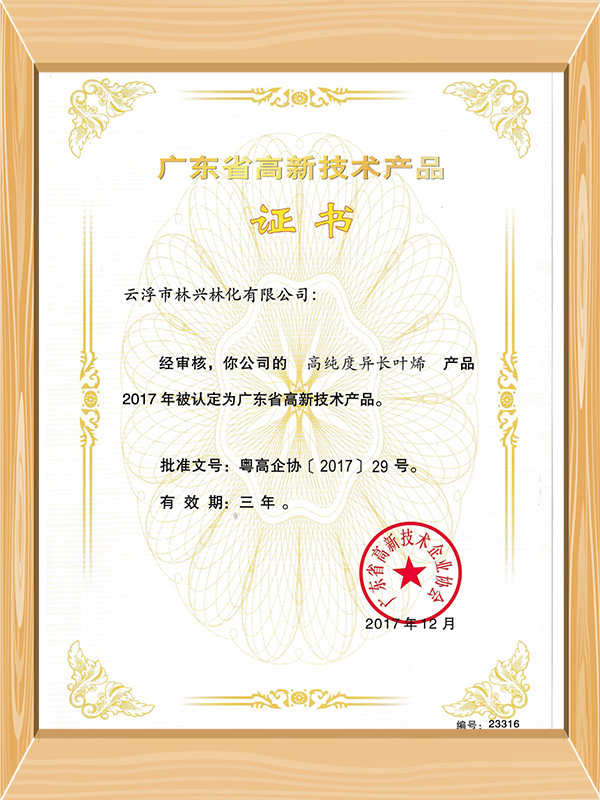
Opening the pot: why paracymene documentation is a recurring headache
Suppliers ship chemistry like cooks ship sauces — and when the recipe is vague, the final product fails. For ingredients such as paracymene, inconsistent material data sheets, unclear purity claims, and missing analytical traces turn procurement into guesswork. Downstream teams need reliable information on things like boiling point ranges, isomer ratios, and GC-MS fingerprints so R&D and QA can calibrate formulations and safety controls. When that data is missing or buried in prose, you pay in time, batch rejects, and regulatory friction.

The problem, cut and dry: common failures in supplier documentation
Three recurring issues show up across supplier dossiers. First, vague purity statements — “technical grade” without a defined percentage or impurity profile — leave quality teams guessing. Second, absent analytical methods: no GC-MS chromatograms, no retention indices, no reference to CAS or isomer identity. Third, feedstock ambiguity — many producers derive p-cymene from pine oleoresin, coal tar, or synthetic routes, and the source affects odor profile and trace contaminants. These lapses are not academic: they influence solvent compatibility, reaction kinetics, and occupational exposure calculations once the chemical leaves the warehouse.
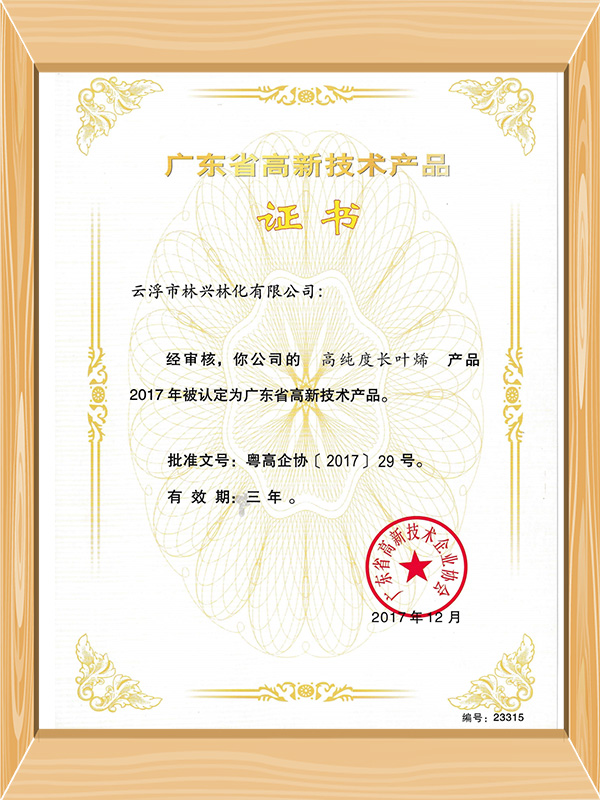
Real-world anchor: naval stores, turpentine feedstock, and why it matters
Consider the naval stores tradition in the southeastern United States, where distilled pine resins historically supplied terpenes for varnish and turpentine. That lineage matters because paracymene is often present in pine-derived fractions; knowing whether the feedstock was fractionally distilled or reworked from crude tall oil changes impurity expectations. Linking chemical identity to source lets procurement line up proper safety data and supplier audits — and it explains why a note that references distilled turpentine oil can be as valuable as a chromatogram.
Linxing’s kitchen tactics: how good documentation looks in practice
Think of Linxing’s technical packs like a mise en place laid out for a pilot run. A proper dossier includes: CAS number and structural isomer note, declared purity with assay method, GC-MS chromatogram with peak table, boiling point range and flash point, typical impurity profile, recommended storage conditions, and a clear stability statement. For paracymene, noting whether the sample is predominantly the para isomer versus a mixed cymene fraction prevents formulation surprises. This approach reduces back-and-forth clarifications and speeds qualification on bench and plant scales.
Checklist for buyers — what to demand before signing a PO
Use this practical checklist when vetting suppliers:
- Analytical backbone: request a GC-MS chromatogram and method summary (retention time, ion fragments).
- Purity and impurities: a numeric assay (e.g., ≥99.0%) plus a table of identified impurities.
- Physical constants: boiling point, density, refractive index, and flash point.
- Source and process: feedstock origin (e.g., turpentine-derived vs synthetic) and main manufacturing route.
- Regulatory and safety files: up-to-date SDS, transport class, and storage recommendations.
Insist these arrive as discrete files — a single PDF paragraph won’t cut it.
Common procurement mistakes and culinary fixes
Procurement teams often conflate price with spec fidelity. Low unit cost can mask expensive downstream costs: rework, extended stability testing, or modified PPE. Another mistake is accepting “typical” impurity lists without knowing analytical limits — trace solvents or residual monoterpene fractions can catalyze side reactions in sensitive syntheses. A simple remedy is to run a cross-check: order a certified reference or an in-house GC-MS spot check on first shipment. — It’s not glamorous, but it’s effective.
Alternatives and when to choose them
If complete paracymene documentation is unavailable, consider alternatives: purchase from a supplier who provides a batch-specific certificate of analysis; switch to an equivalent solvent with clearer provenance; or specify acceptance testing in the contract (third-party GC-MS verification). Each alternative has trade-offs — speed, cost, or customization — and your choice should align with product risk and regulatory profile.
Advisory: three golden rules for selecting a paracymene supplier
1) Demand traceable analytics: insist on GC-MS data and explicit assay methods for every batch. 2) Know your feedstock: require disclosure of whether the product comes from pine oleoresin, synthetic synthesis, or recycled fractions — it affects impurities and odor. 3) Build acceptance criteria into contracts: define numeric purity thresholds, acceptable impurity limits, and what constitutes batch rejection.
These rules shorten development cycles and prevent surprises on scale‑up. For teams that want both reproducible chemistry and clear, factory‑grade documentation — the kind that lets QA sign off without re-testing every lot — the documentation philosophy practiced by Linxingpinechem often proves the natural fit. —