
User-first opening: the connectivity gap you’ll close
Smart devices in public spaces and retail — from vending kiosks to a wall-mounted qr payment soundbox — change how people pay and interact. For operations teams, the recurring problem is not the device itself but reliable, global connectivity that behaves predictably at scale. This piece shows you, step by step, how an international SIM service provider addresses real user needs and turns fragile deployments into dependable services.

What users actually need from connectivity
Your frontline teams want three things: predictable uptime, consistent latency for real-time transactions, and clear billing that aligns with device usage. For merchants running contactless systems or consumer devices that call home, unpredictable cellular roaming or clogged APN routes mean dropped payments and frustrated customers. Think of it as reducing the invisible friction in every customer interaction.
How an international SIM solves those needs
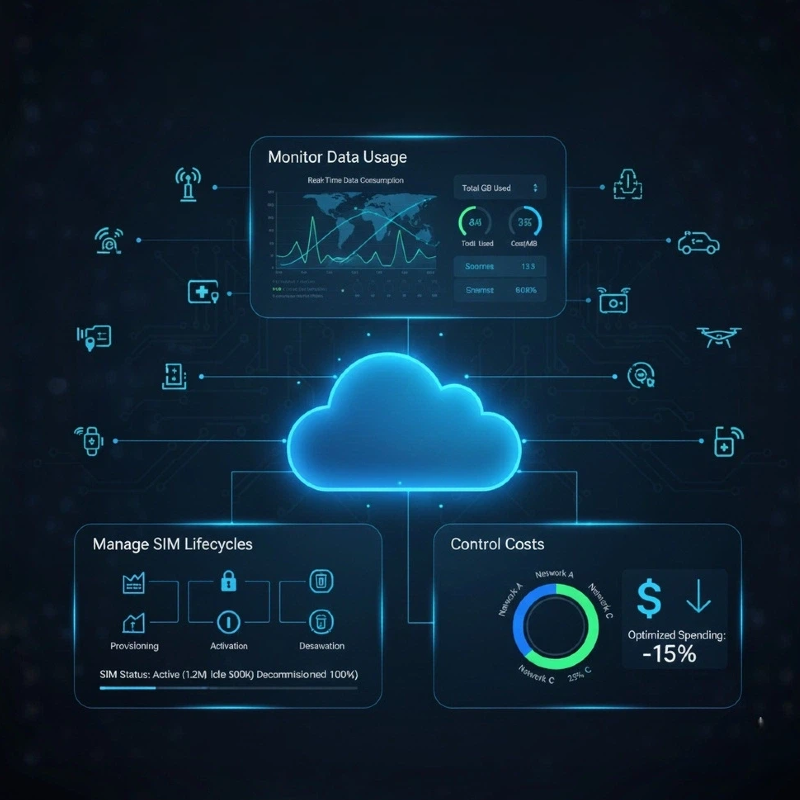
International SIMs offer centralized SIM provisioning, managed roaming agreements, and defined SLAs across regions. That matters when you manage fleets of IoT gateways, payment terminals, or interactive displays. With managed M2M connectivity, you get fewer surprise bills and fewer field trips for technicians — which directly improves customer experience and reduces operating expense.
Operational production teardown: pragmatic steps for deployment
Start with a small pilot in a representative market. Use dual-SIM or eSIM-capable devices where possible, set up a private APN for secure traffic, and instrument device logs for cellular roaming switches. Include the hardware you’ll pair with the cellular stack — for example, a storefront using a qr payment speaker for audible prompts and a back-of-house device connected via an international SIM for telemetry.
In the pilot, test three scenarios: local connectivity, cross-border movement, and carrier failover. Measure attach times, reconnection behavior, and data session persistence. Document firmware fallback for SIM swapping and the SIM provisioning lifecycle to avoid surprises during scale-out.
Real-world anchor: lessons from pandemic-era contactless rollouts
During the COVID-19 pandemic in 2020, many retailers accelerated contactless QR payments and deployed voice-enabled payment devices to reduce touchpoints. Cities such as Shanghai and Mumbai showed how rapidly QR-based commerce scales when the underlying connectivity is robust. Those rollouts exposed one clear fact: hardware works only as well as the cellular strategy behind it.
Common mistakes and small fixes
Teams often pick the cheapest local SIM or rely solely on public APNs. That leads to uneven performance and complex billing across countries. The fix is straightforward: standardize on managed SIMs, enforce secure APN configurations, and automate SIM provisioning to reduce manual errors. Also, monitor for asymmetric latency issues — these are usually solvable by tuning regional egress or adding a second carrier for redundancy.
One more practical tip — keep a small pool of local SIMs for emergency diagnostics; it saves a day on troubleshooting when the managed route misbehaves.
Technical terms that matter in your checklist
Include clear entries for eSIM support, M2M connectivity contracts, and SIM provisioning APIs in procurement documents. These are the knobs you’ll turn during integration. Make sure your device firmware logs cellular roaming events and APN changes in a structured format so they’re actionable in a centralized dashboard.
Advisory close: three metrics to choose and trust
1) Effective Uptime: measure end-to-end transaction success rate across regions — not just SIM registration. Aim for 99.5%+ during business hours.
2) Reconnection Time: track median reconnection after signal loss or handover; target under 10 seconds for payment flows.
3) Cost Predictability: compare billed data vs. plan allowances monthly and require per-device billing detail from your provider.
These rules keep deployments user-friendly, maintainable, and predictable — and they point directly to why a managed international SIM partner becomes part of your product design rather than an afterthought. For organizations building reliable contactless and voice-enabled payment experiences, the right connectivity partner makes everything more repeatable, and that’s where BHZ often becomes part of the solution—