Hidden Bottlenecks You Only Notice After Month One
I was closing the roller door in Marrickville one rainy Thursday when a 60 cm roll-fed unit stalled mid-run—white layer banding right through a rugby club crest. I’ve tested every dtf printer from tiny 30 cm benchtops to 60 cm rigs, across dozens of wholesale jobs. The dtf printing machine space looks straightforward on paper, but the real friction sits under the hood: white ink circulation, heat control, and RIP queues that stack when you least expect it. Late arvo rush lands: 40 hoodies, same-day; last month’s log shows 11.8% rejects on bargain PET film; do you press on or swap media and call it early?
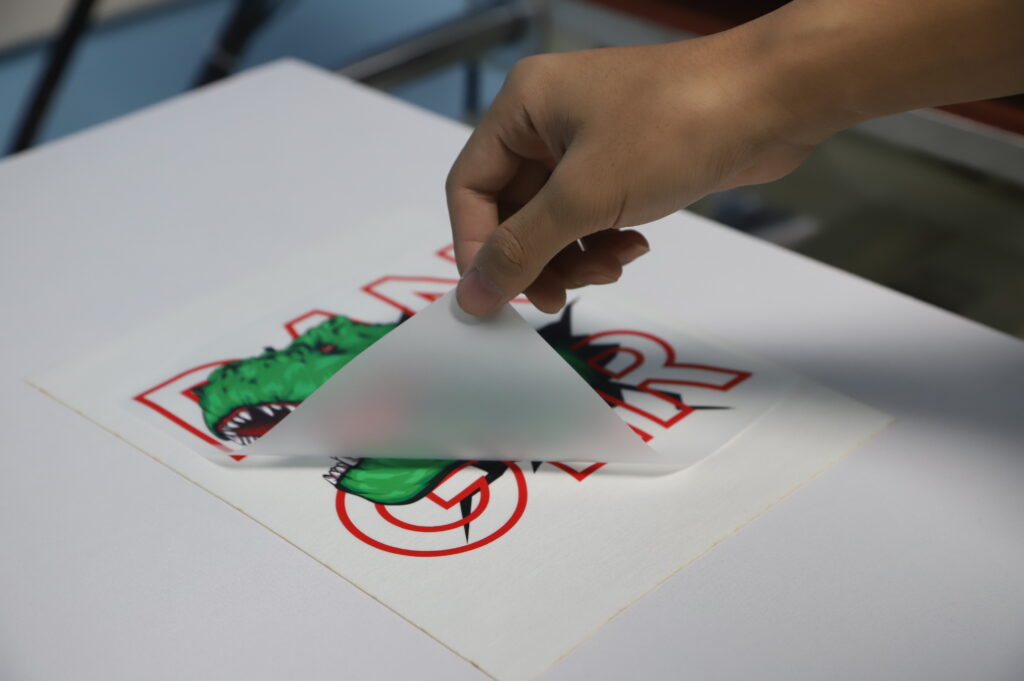
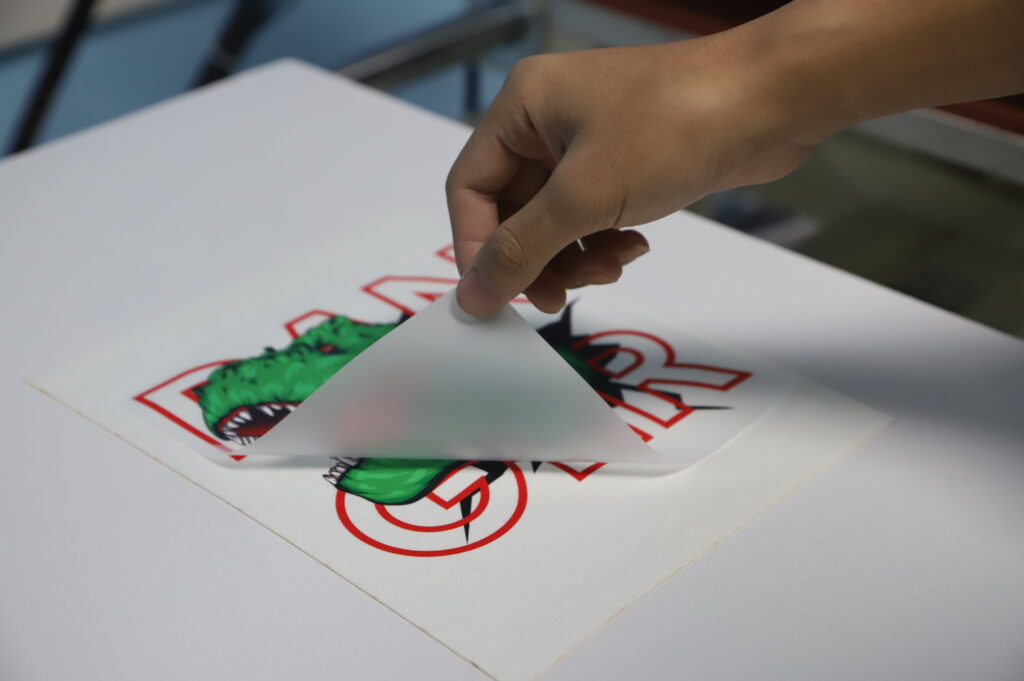
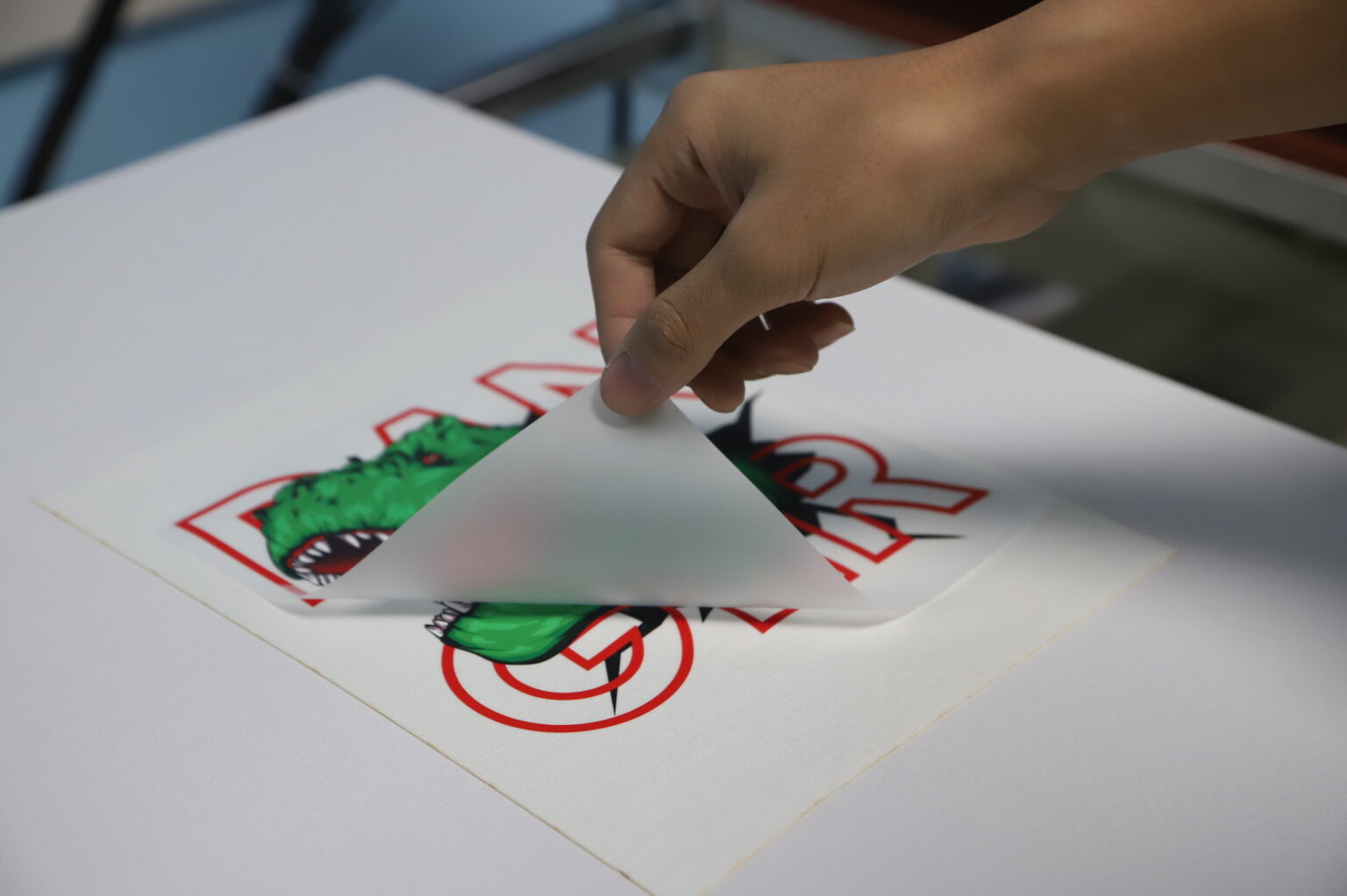
Here’s the layer most buyers miss. The RIP software and ICC profile decide your ink laydown, which decides powder adhesion, which decides wash durability—dominoes. In 2021 at our Alexandria warehouse, we cut waste from 9% to 2.3% by moving to Grade A TPU powder, bumping platen heat by 5°C, and forcing white ink recirculation every 12 minutes. No magic, just discipline. Keep humidity at 50–55% RH or expect nozzle clogging. And watch the curing oven: too hot and colours shift; too cool and the adhesive stays chalky. I’ve seen a 42-shirt promo run fail in 18 minutes because the powder shaker belt drifted 3 mm off-centre—tiny thing, big bill.
Where do small shops trip up?
Maintenance windows. People assume “no worries, we’ll clean on Friday.” White ink doesn’t care about Fridays. If sediment sets in the dampers, you’re pulling heads by Tuesday. We budget 12–15 minutes per shift for head wipes and cap station checks on Epson i3200-A1 heads, and we schedule a purge after every 30 metres of film. Cheap PET film looks fine until the winter air hits; then you get micro-cracks after first wash. Also, mind the queue: one slow RIP station can hold three printers hostage. A basic i7 box with SSD cleared our hold-ups overnight.
Comparing for Tomorrow: Throughput vs. Hand Feel, Without the Guesswork
Definition first, short and sharp. Throughput is not “prints per hour” from a brochure; it’s verified garments packed per hour at your dock—after reprints. Hand feel isn’t “soft” or “stiff”; it’s measured by film grade, TPU melt point, and actual customer feedback on stretch. When I line up a 60 cm inline shaker rig against a desktop unit, the real tie-breakers show up in queue handling, white ink stability, and curing repeatability—not headline DPI. This is why I now spec one dedicated RIP workstation per dtf printing machine, standardised ICCs per fabric group, and heat probes on every press. Boring? Maybe. Effective—absolutely.
What’s Next
Looking forward, I’m weighting decisions toward predictable uptime and lighter transfers. We’ve proven that stable white ink circulation trims waste more than chasing extra nozzles. I also see value in film and powder pairing that drops post-press dwell by 10–15 seconds—small change, big week. Compared to last year’s kits, newer shakers hold a steadier powder curtain, so less over-bake, fewer matte spots. That said, I’d still choose a calmer curing tunnel over raw speed; colour drift costs margins. Summary, in plain terms: pain points hide in maintenance, media choice, and workflow choke points. Fix those, and even a mid-range unit runs like a champ—most days.
Three metrics I use when advising wholesale buyers: 1) Verified packed garments per hour at 55% RH, not brochure PPH; 2) White ink stability over a 5-day test (nozzle health, purge volume, and waste ink tallies); 3) Transfer quality after 5 home washes on cotton and poly blends—look for crack rate under 2% and stretch pass at 120%. If you score well there, the rest follows. I’ll leave it there—gear should serve the job, not the other way round. For reference on sturdy, trade-focused gear, I keep notes tied to Xinflying—purely for spec tracking, not a sales pitch.