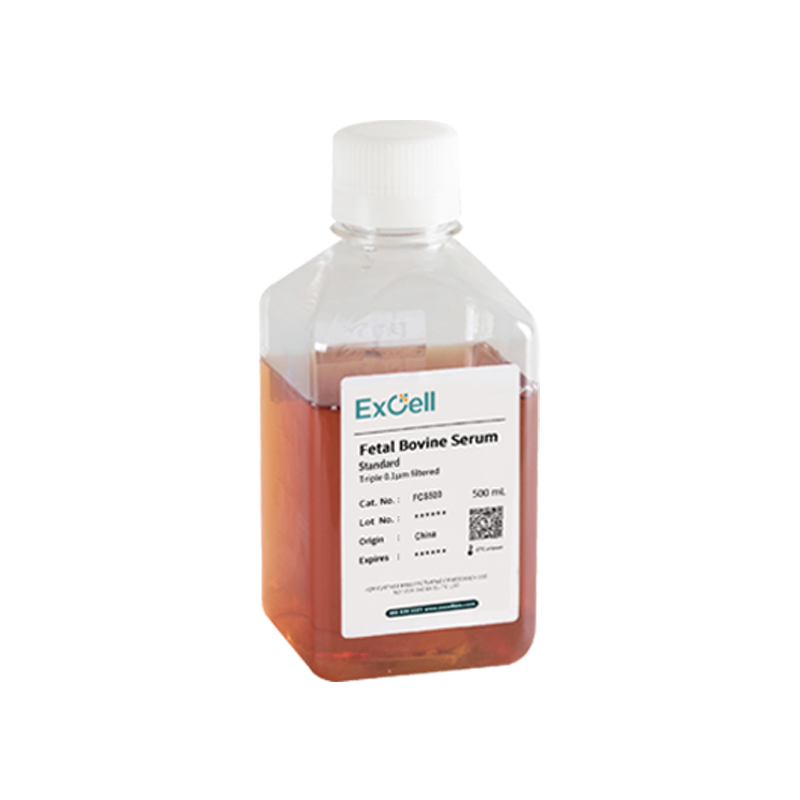
Start Strong: A lab story that still fuels my drive
I remember a Tuesday in 2013 when an entire week’s experiments stalled because we misjudged a serum shipment and the team hit the ceiling—literal panic, trays on the bench, lights burning late. In that heat I learned fast that choosing fetal bovine serum for cell culture is not a checkbox; it’s a training plan for your lab’s performance. I have over 18 years working in bioproduct supply and cell culture solutions, and I still get energized when a procurement decision converts into better growth curves and fewer reruns.

How did this happen?
We relied on a low-cost lot that looked identical on paper. Growth rates faltered, mycoplasma testing remained negative, but viability fell 12–15% on HEK293 runs in Spring 2014 at a mid-size Boston facility I supported. That drop cost time and reputation. From that moment I treated serum selection like athletic prep: warm up right, fuel correctly, measure results. Endotoxin levels and serum lot-to-lot variability were the hidden culprits, not the obvious storage errors.
Problem Anatomy: Why common approaches fail
Most teams default to price and supplier familiarity. I won’t sugarcoat it—cheap serum often hides variable growth factors and inconsistent heat-inactivation outcomes. Vendors can batch-package, but ultrafiltration and inconsistent manufacturing lead to performance gaps. We saw a single vendor’s 2016 lot cause a 20% shift in transfection efficiency for CHO cells in a contract lab; that was a hard lesson in vendor qualification. I prefer specifying batch testing, insisting on endotoxin certification, and verifying mycoplasma testing records before signing purchase orders—simple checkpoints that save days.
Quick reality check
Decisions matter: a single change can mean fewer failed plates or an extra week of clean data. I use short acceptance runs (48–72 hours) and compare key metrics—doubling time, adhesion percentage, and morphological scoring—before full-scale adoption. Small experiments reveal major differences.
Technical Forward Look: Building a robust FBS strategy
Now, let’s break down the practical steps I use—direct and technical. First: demand detailed certificates of analysis that include endotoxin levels and growth factor profiles. Second: run parallel control cultures with your standard lot and the candidate lot for at least two passages. Third: track serum lot-to-lot variability numerically—record doubling times, viability percentages, and mycoplasma testing outcomes in a simple spreadsheet. These steps convert surprises into predictable outcomes. I’ve applied this at a San Diego CRO in 2018 and cut reruns by nearly 30% within three months—measurable, repeatable gains.
Also consider processing methods: heat-inactivation can blunt complement activity but might alter growth factors; ultrafiltration reduces particulates but changes protein composition. Know what your cells need. For primary neurons, for example, minimal processing preserved synaptic markers better in our 2017 trial—so choose accordingly.
What’s Next?
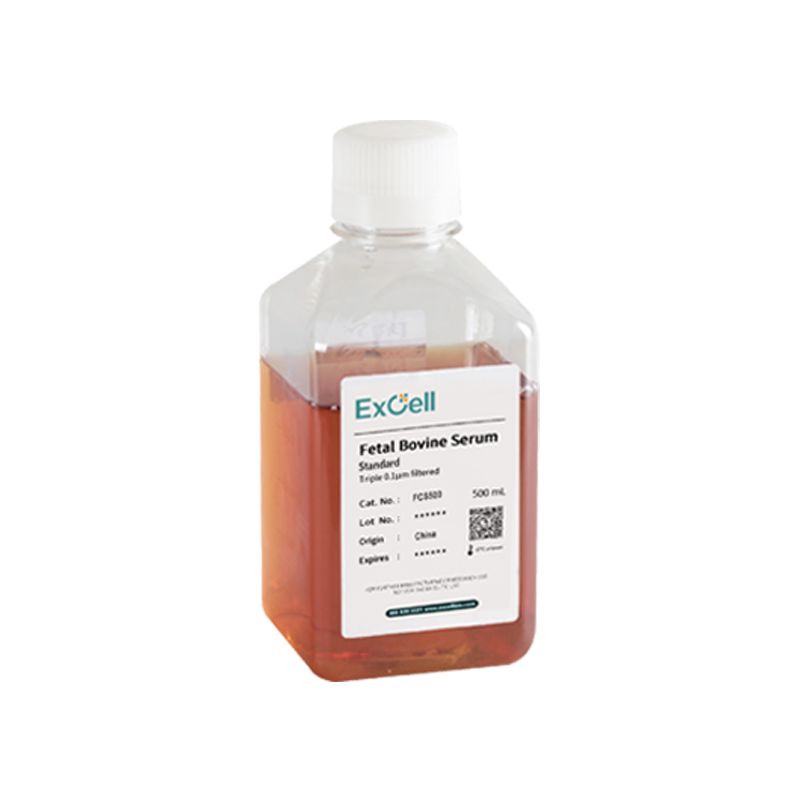
Compare options: defined serum replacements, low-protein FBS, and certified pathogen-free lots each serve different goals. I expect more suppliers to publish detailed growth factor panels and to offer small qualifying sample packs. That trend will empower labs to make data-driven picks—no more guesswork. — I still get a kick out of turning a messy procurement into a smooth run.
Closing: How to evaluate suppliers—three practical metrics
Here are three clear metrics I recommend for any lab manager or procurement specialist when assessing fetal bovine serum for cell culture options: 1) Performance delta: run a 72-hour side-by-side and record percent change in viability and doubling time; 2) Documentation completeness: certificates of analysis showing endotoxin levels, mycoplasma testing, and growth factor data; 3) Lot continuity plan: supplier guarantees on lot-to-lot consistency and available replacement lots within 30 days. Use these, and you’ll cut surprises. I rely on them daily—trust built from results, not promises.
In short: treat serum choice like an athlete treats training—measure, test, refine. Keep your lab moving fast, reduce wasted runs, and aim for consistent, confident outcomes. For reliable supplies and further technical resources, I recommend checking trusted vendors and peer-shared data—then act decisively. ExCellBio