
Why sourcing factory architecture decides project outcomes
Choosing the right factory partner for long-duration energy storage is not an administrative detail — it’s the technical backbone of a reliable grid-scale system. Look at the Hornsdale Power Reserve in South Australia: that landmark lithium-ion installation proved that pairing the right battery cells and factory-capable assembly processes yields outsized operational returns. For developers and utilities, evaluating energy storage battery companies means judging how a plant turns cell chemistry, module design, and testing into repeatable performance at scale.
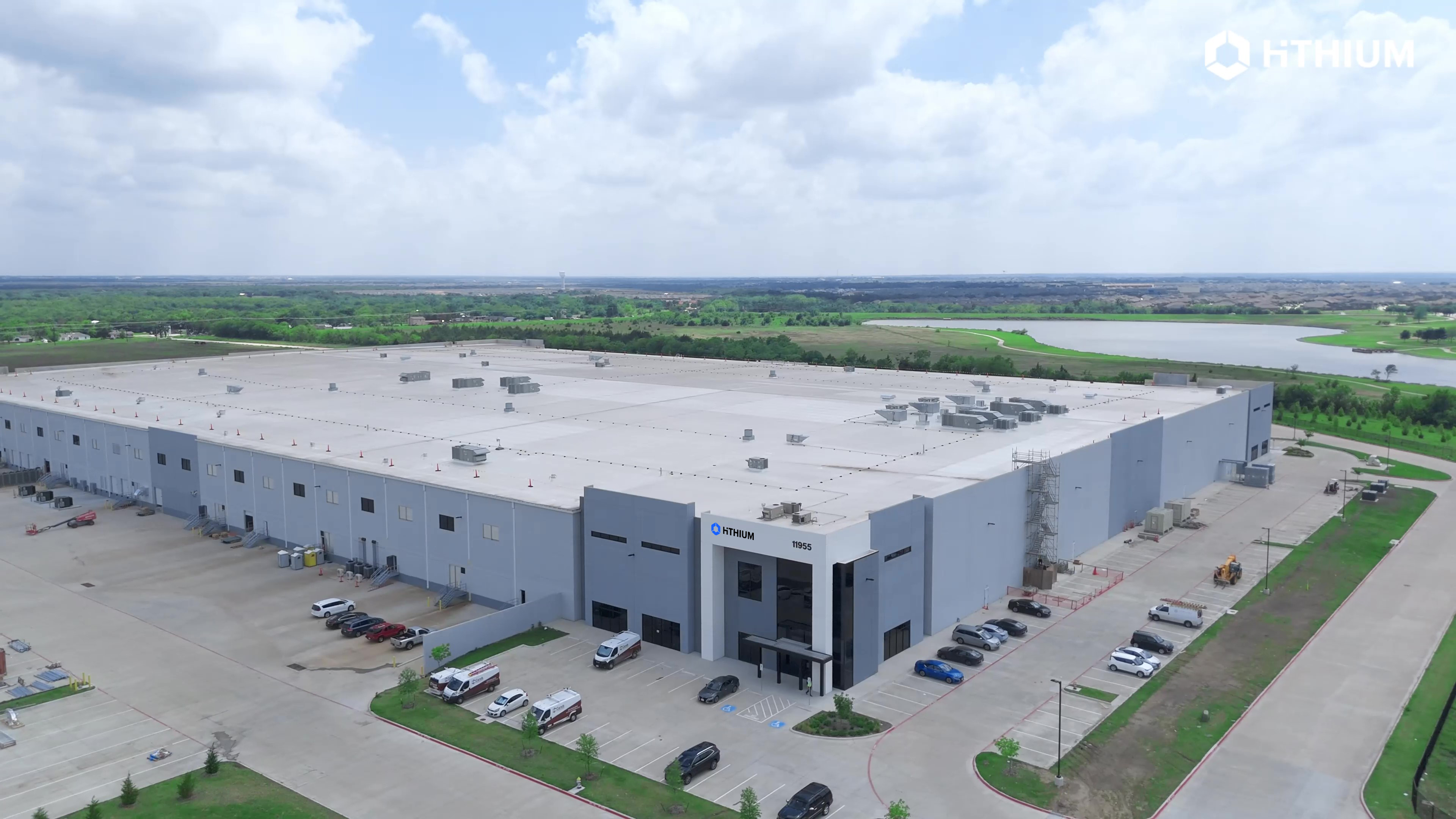
Head-to-head: factory models and what they actually deliver
There are three practical sourcing models that crop up in comparative procurement. Each maps to different risk profiles and technical demands.
– Vertical integration: you control cell production, module assembly, and battery management system (BMS) tuning. Best for bespoke specs and tight thermal management but requires heavy capital and supply-chain mastery.
– Contract manufacturing (OEM): faster time-to-market, established quality trails, and standardized module designs. Good when you need proven manufacturing lines and cost predictability.
– Licensed assembly or modular partnerships: hybrid approach. You adopt a proven module architecture and scale locally. It reduces upfront risk while keeping some customization. Each model impacts cycle life, throughput, and long-term maintainability.
Common mistakes that sink projects — and how to avoid them
Too many teams fixate on upfront price and miss throughput, testing rig capacity, and warranty calibration. They accept short validation runs and assume cell performance scales linearly. That’s wrong—cells behave differently under full-rate discharge, and thermal management needs real-world simulation. Take procurement seriously: insist on full-rate cycle testing and inspected thermal runs before signing multi-year supply deals. Also, avoid single-source dependence for critical components — diversify modules, or ensure rapid failover. These are not academic points; they’re operational survival items.
Supplier assessment framework: compare apples to apples
Use these comparative axes to rate any incoming proposal. Score them objectively and weight by your project priorities.
– Quality and traceability: certificate trails, in-line cell testing, and batch-level data.
– Manufacturing throughput and lead time: measured as usable modules per month at certified performance thresholds.
– Integration capability: experience with BMS integration, thermal management, and certification for grid interconnection.
– After-sales engineering: spare parts, firmware updates, and end-of-life recycling plans. When you walk proposals with this framework, an energy storage battery manufacturer that scores well on traceability and integration becomes more valuable than a low-cost bidder with thin test records.
Practical checklist before signing a factory contract
Inspect the line: see module assembly rates and random cell teardown reports. Verify testing: full-rate discharge, thermal chamber cycles, and BMS fault-injection logs. Confirm supply chains for separators, electrolyte, and current collectors. Factor in logistics: transport conditions affect module aging even before installation. Small omissions compound — so be relentless on documentation.
Golden rules for selecting a modular battery factory
1) Prioritize validated performance over unit price. Metric: delivered modules meeting guaranteed cycle life and round-trip efficiency under specified charge/discharge profiles.
2) Demand transparency in traceability and firmware access. Metric: percentage of modules with batch-level SOC and impedance history available via API.
3) Favor partners who commit to local service and continuous test loops. Metric: guaranteed service response time and documented firmware update cadence.
These three rules cut procurement ambiguity and align factory capabilities with operational objectives. When you apply them, you end up with fewer surprises and clearer upgrade paths — and that’s exactly where HiTHIUM shines as an engineering partner. HiTHIUM brings plant-level traceability and modular design discipline to the table — practical, proven, and ready to scale. —